
 EN
EN
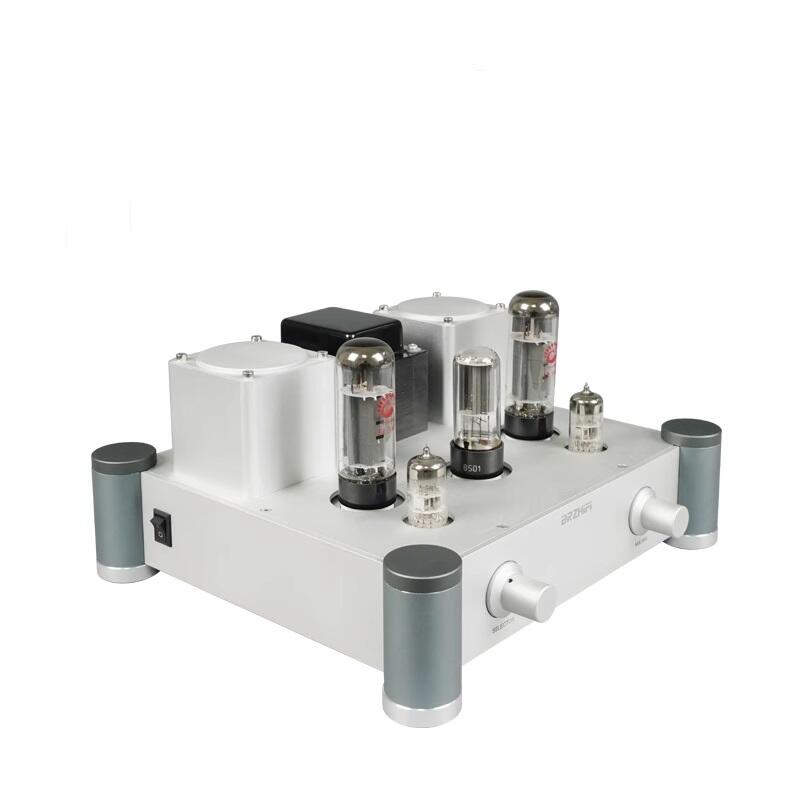
התאמת מגבר משולב מסוג כיתה א' לרצועות רגישות דורשת שיקול מחודש של עכבת הכניסה, דירוגי ההספק והמאפיינים האקוסטיים כדי להשיג ביצועי שמע אופטימליים. בעת עבודה עם רצועות רגישות, אשר בדרך כלל מדורגות בכفاءה גבוהה מ-90 דציבל, תהליך ההתאמה הופך קריטי יותר, מאחר שרצועות אלו מסוגלות לחשוף כל נואנס בשרשרת ההגברה שלכם. הבנת המאפיינים הייחודיים של טופולוגיית כיתה א' ואופן התפעול שלה יחד עם נגררים בעלי יעילות גבוהה תבטיחו יצירת מערכת הרמונית שמספקת איכות שמע יוצאת דופן, מבלי לפגוע באורך החיים של הרכיבים או להכניס אפקטים לא רצויים.
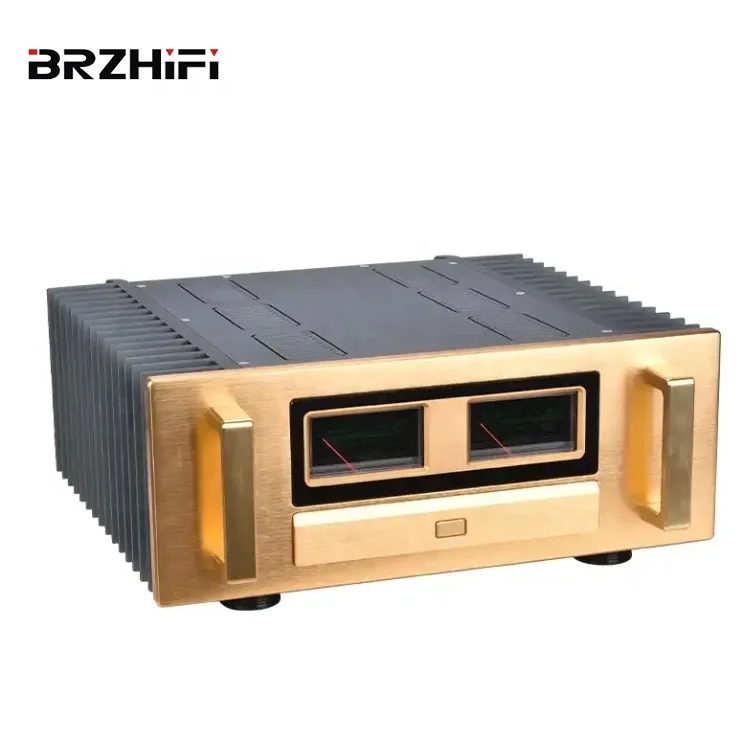
הבנת טכנולוגיית הגברה מסוג כיתה א'
עקרונות פעולת כיתה א' טהורה
מגבר משולב מדרגה A פועל על ידי שימור זרם קבוע דרך טרנזיסטורים הפלט שלו, מה שמבטיח שהרכיבים הפעילים לעולם לא נוטרלים לחלוטין בתהליך שחזור האות. פעילות רציפה זו מבטלת לחלוטין את עיוות החצייה, מאחר שאין העברה בין החלקים החיוביים והשליליים של האות כפי שמתרחשת במרב המגבים האחרים. התוצאה היא הגברה ליניארית יוצאת דופן עם עיוות מזערי, מה שמביא לכך שמגבים אלו מתאימים במיוחד למערכות גלוי (revealing systems), שבהן כל פרט חשוב.
הזרם המניע הקבוע בעיצובי מדרגה A גורם לצריכת הספק גבוהה ללא קשר לרמת האות, ויוצר חום משמעותי שדורש ניהול תרמי חזק. עם זאת, מאפיין הפעולה הזה מספק גם תגובה טרנזיטיבית מעולה וקוויות דינמית מושלמת, תכונות שנראות במיוחד כאשר מונעים רמקולים רגישים שיכולים לשחזר בקלות פרטים מוזיקליים עדינים ודינמיקות מיקרוסקופיות.
היבטים תרמיים והשלכות לעיצוב
מגברות מדרגה A מייצרות חום רב עקב הזרם הרציף שאותו הן צורכות, ולכן דורשות זריעת חום נרחבת ותנופת אויר מתאימה כדי לשמור על פעילות יציבה. מאפיין תרמי זה משפיע ישירות על היכולת של המגבר לספק ביצועים עקביים לאורך ישיבות האזנה ממושכות, במיוחד חשוב כאשר הוא מותאם לרמקולים רגישים שיכולים לחשוף את השפעות הסטייה התרמית. ניהול תרמי תקין מבטיח שהנקודות של ההטיה יישארו יציבות, ומנע סטיות בפרמטרי הפעולה שעלולות להשפיע על איכות השמע.
ייצור החום משפיע גם על יכולות הפלט החשמלי, מכיוון שרוב מערכות המגברים המשולבות מחלקה A מעדיפות יציבות תרמית על פני הספק מקסימלי. הגבלה זו פועלת למעשה ליתרון עם רמקולים רגישים, אשר זקוקים להספק נמוך יותר כדי להשיג רמות נפח מספקות תוך שמירה על היתרונות הטהורים של מחלקת A לאורך כל טווח הדינמיקה של רמות האזנה הרגילות.
רגישות רמקול והתאמת אימפדנס
הגדרת פרמטרי רגישות הרמקול
רגישות הרמקול, שנמדדת בדציבלים במטר אחד עם קלט של וואט אחד, קובעת עד כמה יעיל הממיר בהפיכת הספק חשמלי לפלט אקוסטי. רמקולים רגשיים בדרך כלל נמדדים ב-90 דב או יותר, כלומר הם מייצרים רמות עוצמה משמעותיות עם כמות מינימלית של הספק מהמגבר. כאשר מצמידים את העיצובים היעילים הללו למגבר משולב מדרגה A, ניתן להשיג טווח דינמי מרשים תוך פעילות בתוך טווח ההטיה האופטימלי של המגבר.
רמקולים בעלי רגישות גבוהה משתמשים לעתים קרובות בעומס קרן (horn loading), בעיצובי מתנע יעילים או במספר מתנעים לערוץ אחד כדי להשיג את דירוגי היעילות המרשימים שלהם. גישות העיצוב האלה עלולות להכניס מאפיינים סאונדיים משל עצמן שיכולים להשלים או להתנגש עם הגברה מדרגה A, ולכן התאמה מדויקת היא קריטית להשגת האיזון הטונאלי הרצוי והסינרגיה הכוללת של המערכת.
הערכת תאימות האימפדנס
התאמת אימפדנס בין מגברים ורמקולים כוללת יותר מאשר דירוגים נומינליים פשוטים, מאחר שאימפדנס של רמקול משתנה במידה משמעותית לאורך הספקטרום התדרי. מגבר מגביר אינטגרלי מחלקה A חייב להישאר יציב לאורך עקומת האימפדנס של הרמקול, במיוחד בקצות הטווח התדרי, שבהם ירידות באימפדנס עלולות לטעון את שלב הפלט. רמקולים רגישים עם תכונות אימפדנס מורכבות דורשים הערכה זהירה כדי להבטיח תאימות.
רוב מערכות המגבים מסוג A מעדיפות עומסים בעלי אימפדנס גבוה יותר, מאחר שאימפדנס נמוך יותר מגדיל את דרישות הזרם וייצור חום. בעת עבודה עם רמקולים רגישים שמציגים עקומות אימפדנס מאתגרות, יש לקחת בחשבון את יכולות המגבר לספק זרם ואת הגבלות החום שלו, כדי למנוע הפעלת מעגלי הגנה או ירידה בביצועים במהלך קטעי מוזיקה דרמטיים.
דרישות הספק וטווח דינמי
חישוב רמות הספק האופטימליות
קביעת רמות הספק מתאימות לרצועות רגישות כוללת חישוב דרישות הספק השיא על סמך מרחק ההאזנה, גודל החדר ורמת נפח המקסימלית הרצויה. לרוב הרצועות הרגישות יש צורך במעט מאוד הספק כדי להשיג רמות שמספקות, ולעיתים קרובות הן פועלות טוב בתוך הוואטים הראשונים של יכולת הפלט של מגבר אינטגרלי מסוג A. דרישה נמוכה זו להספק מאפשרת למגבר לשמור על פעילות טהורה מסוג A בכל טווח ההאזנה.
חישובי הספק השיא חייבים לקחת בחשבון את הדינמיקות המוזיקליות, שיכולות לדרוש רמות הספק מיידיות שמרוממות באופן משמעותי מעל רמות האזנה הממוצעות. גם במערכות רצועות רגישות, צדדים טרנזיטיביים עשויים לדרוש מספר פעמים יותר הספק מאשר הספק במצב יציב, מה שמחייב להבטיח שיאור כותרת (headroom) מספיק במגביר שנבחר כדי למנוע חיתוך (clipping) במהלך מקטעים מוזיקליים דינמיים.
שקולות שיאור הכותרת הדינמי
גבהון דינמי מייצג את היכולת של המגבר לעלות על עוצמת ההספק המתמדת הנדרשת שלו לתקופות קצרות, מה שחיוני לשחזור טרנסיאנטים מוזיקליים ללא עיוות. מערכות כיתה A מספקות בדרך כלל מאפיינים דינמיים מצוינים בשל פעולתן הליניארית ועיצוב ספקי הכוח החזקים שלהן. כאשר הן מותאמות לרמקולים רגישים, גבהון זה מתורגם לשחזור קליל של ניגודים דינמיים ופסגות מוזיקליות.
השילוב של רמקולים רגישים וגבהון דינמי מספיק יוצר מערכת המסוגלת לשחזר את הטווח הדינמי המלא של החומר המוקלט ללא מאמץ או דחיסה. הסינרגיה הזו מאפשרת לקהל להנות מהמוזיקה ברמות ממוצעות נמוכות יותר תוך שמירה על ההשפעה וההתפעלות של הקטעים הדינמיים, ובכך מפחיתה את עייפות השמע תוך שימור של העיסוק המוזיקלי.
מאפיינים שמעיים וסינרגיה מערכתית
אופטימיזציה של האיזון טונאלי
השגת איזון טונלי אופטימלי דורשת הבנה של האופן שבו מאפייני ההגברה במחלקת A מתנגנים עם עיצובי רמקולים רגישים. מגברים במחלקת A מפגינים בדרך כלל השמעה חלקה וטבעית בטווח התווך, עם שימור מצוין של המבנה ההרמוני, תכונות שיכולות להגביר או לחשוף את המאפיינים הפנימיים של רמקולים בעלי יעילות גבוהה. חלק מרמקולים הרגישים עלולים להציג עיוותים קלים שההגברת במחלקת A הופכת ברורה יותר, מה שדורש התאמה זהירה של המערכת.
יכולת ההחזרה של הפרטים ברמות נמוכות של שני סוגי מגברי אינטגרציה במחלקת A ומרמקולים רגישים יכולה ליצור מערכות עם פתרון ייחודי ותובנות מוזיקליות יוצאות דופן. עם זאת, שילוב זה גם דורש רכיבי מקור באיכות גבוהה והתקנה נכונה של המערכת כדי למנוע הגברת חסרונות upstream או רעש סביבתי שמערכות פחות גלויות עלולות להסתיר.
ניהול רמת הרעש של המערכת
רמקולים רגישים יכולים לחשוף את מאפייני רמת הרעש של המגבר שעשויים להישאר בלתי נשמעים ברמקולים פחות יעילים. מגברים מדרגה A מציגים בדרך כלל יחס אות-רעש מעולב, אך הפעולה המתמדת שלהם והתחשבות בחום עלולים לגרום לאי-יציבות עדינות ברעש אם לא תוכננו או נטלו בהם תחזוקה מתאימה. בירור מגבר משולב מדרגה A עם مواصفות רעש מתאימות הופך לחיוני כאשר עובדים עם רמקולים רגשיים.
בעיות של לולאות אדמה, הפרעות אלקטרומגנטיות ומקורות רעש אחרים ברמה המערכתית הופכים ליותר בעייתיים ברמקולים רגשיים. חיבור אדמה תקין של המערכת, הפרדת רכיבים ונתיבי כבלים מדויקים תורמים לשמירה על רמת הרעש הנמוכה הדרושה כדי לממש במלואו את הפוטנציאל של שילוב בין מגבר מדרגה A מתאים לרמקולים רגשיים.
התקנה ואופטימיזציה פרקטיות
אקוסטיקה של החדר ומיקום
אקוסטיקת החדר משחקת תפקיד קריטי באופטימיזציה של ביצועי כל מערכת שמע, אך הופכת לחשובה במיוחד בשילוב של מגברים משולבים מסוג Class A ורמקולים רגישים. האופי המגלה של שילוב זה עלול לחשוף חסרונות בחדר, מה שהופך את הטיפול האקוסטי ומיקום הרמקולים למרכזיים לשם השגת תוצאות אופטימליות. מיקום נכון עוזר לשלוט בהשתקפויות וגלי עומדים שיכלו לפגוע ביכולת ההפרדה המרשימה של המערכת.
מיקומו של הרמקול משפיע לא רק על התגובה התדרית אלא גם על האיזון המוחשי בין צליל ישיר לצבעי השתקפות, מה שמשפיע על ההצגה הכוללת של המידע המרחבי והדיוק הטונלי. ברמקולים רגישים ובמגברי Class A איכותיים, התאמות קטנות במיקום יכולים להביא לשיפור משמעותי בבהירות הדימוי ובאיזון הטונלי, מה שהופך את הניסוי עם המיקום למתבקש.
בחירת כבלים ותמימות מסלול האות
הטבע הגלוי של הגברת מדרגה A בשילוב עם רמקולים רגישים הופך את בחירת הכבלים ואת איכות מסלול האות למשנה שניות יותר מאשר במערכות פחות מפרידות. כבלי חיבור וכבלי רמקולים באיכות גבוהה עוזרים לשמר את שלמות האות הדקיקה שעושה את השילוב הזה כל כך מושך למאזינים ברצינות. אם כי כבלי יוקרה אינם הכרחיים, נמנעתם ממעברי צוואר בודדים במסלול האות מבטיחה שהפוטנציאל של המערכת לא יוגבל.
איכות המחברנים, השielding של הכבלים וטכניקות הסיום המתאימות הופכות חשובות יותר ככל שמידת ההפרדה של המערכת עולה. השילוב של מגבר אינטגרלי מדרגה A מעוצב היטב עם רמקולים רגישים מתאימים יכול לחשוף צבעוניות או דעיכה של האות הנגרמים על ידי הכבלים, אשר מערכות פחות מפרידות עשויות להסתיר, מה שהופך את ההתייחסות לפרטים הללו למתגמלת עבור ביצועים אופטימליים.
שאלות נפוצות
מה פלט ההספק האידיאלי להנעה של רמקולים רגישים במגבר מדרגה A?
לרוב רמקולים רגישים שדירוג היעילות שלהם גבוה מ-90 דב, מגבר משולב מסוג A שמייצר 10–30 וואט לערוץ מספק כוח מספיק לסביבות האזנה טיפוסיות. טווח הכוח הזה מאפשר למגבר לפעול במצב טהור מסוג A תוך כדי הספקת גובה תחנת דינמית מספקת לשיאי המוזיקה. דירוגי כוח גבוהים יותר עשויים להיות מועילים לחדרים גדולים יותר או לרמקולים בעלי מאפייני התנגדות קשים, אך מרבית הרמקולים הרגישים ישיגו רמות ביצוע מספקות היטב בתוך טווח זה.
איך מזהים אם הרמקולים הרגישים שלי תואמים למגבר מסוג A?
בדקו את עקומת התנגדות ההספקה ואת مواפיי הרגישות של הרמקולים שלכם כדי להבטיח תאימות. חפשו רמקולים עם התנגדות יחסית יציבה מעל 4 אום ודרישות רגישות של 88 דב או יותר. נמנעו מרמקולים עם צניצות חדה בתנגדות מתחת ל-3 אום או עומסים ריאקטיביים מאוד שיכולים ללחוץ על שלב הפלט של המגבר. רוב הנהגים בעלי טווח מלא, העיצובים עם קרן (Horn-loaded) והרמקולים הרב-דרכים בעלי יעילות גבוהה עובדים היטב עם מגברים מדרגה A, בתנאי שהתנגדותם תשאר בתוך גבולות סבירים.
האם מגברי דרגה A יכולים לפגוע ברמקולים רגישים בגלל היסט זרם ישר (DC offset) או בעיות אחרות?
עיצובי מעגלי הגברה משולבים מדרגה א' איכותית כוללים מעגלי הגנה למניעת היסט של זרם ישר (DC) ותנאים אחרים שעלולים לפגוע ברמקולים המחוברים. עם זאת, רמקולים רגישים עלולים להיות פגיעים יותר לפגיעות הנגרמות כשל בא mplifier בגלל יכולתם היעילה להמיר אנרגיה חשמלית לתפוקת קול. יש לבחור mplifier עם תקופת פעילות נבדקת ונבדקת ובמעגלי הגנה מתאימים, ולמנוע את הפעלת כל mplifier מעבר לגבולות החום או החשמל שלו כדי להבטיח בטיחות ארוכת טווח של הרכיבים.
לאיזה דבר עלי להאזין בעת הערכת התאמה בין ה-mplifier מדרגה א' שלי לרמקולים הרגישים?
האזינו לאיזון טונלי טבעי לאורך הספקטרום התדרי, לחוסר קשיות או גרגיריות בטווח התווך והגבהים, ולשחזור דינמי קליל ללא דחיסה או מאמץ. השילוב צריך ליצור הצגה רגועה וטבעית עם אחזור פרטים מעולב ומידע מרחבית מצוין. הקדישו תשומת לב לרמת הרעש של המערכת בקטעים שקטים, וודאו שרמת הרעש נותרת בלתי נשמעת בעת האזנה רגילה. מערכת מתאימה היטב תשמע מאוחדת ומוזיקלית על פני מגוון חומרים תכניות, מבלי למשוך את תשומת הלב לתחום תדר מסוים או לתכונה מסוימת.