
 EN
EN
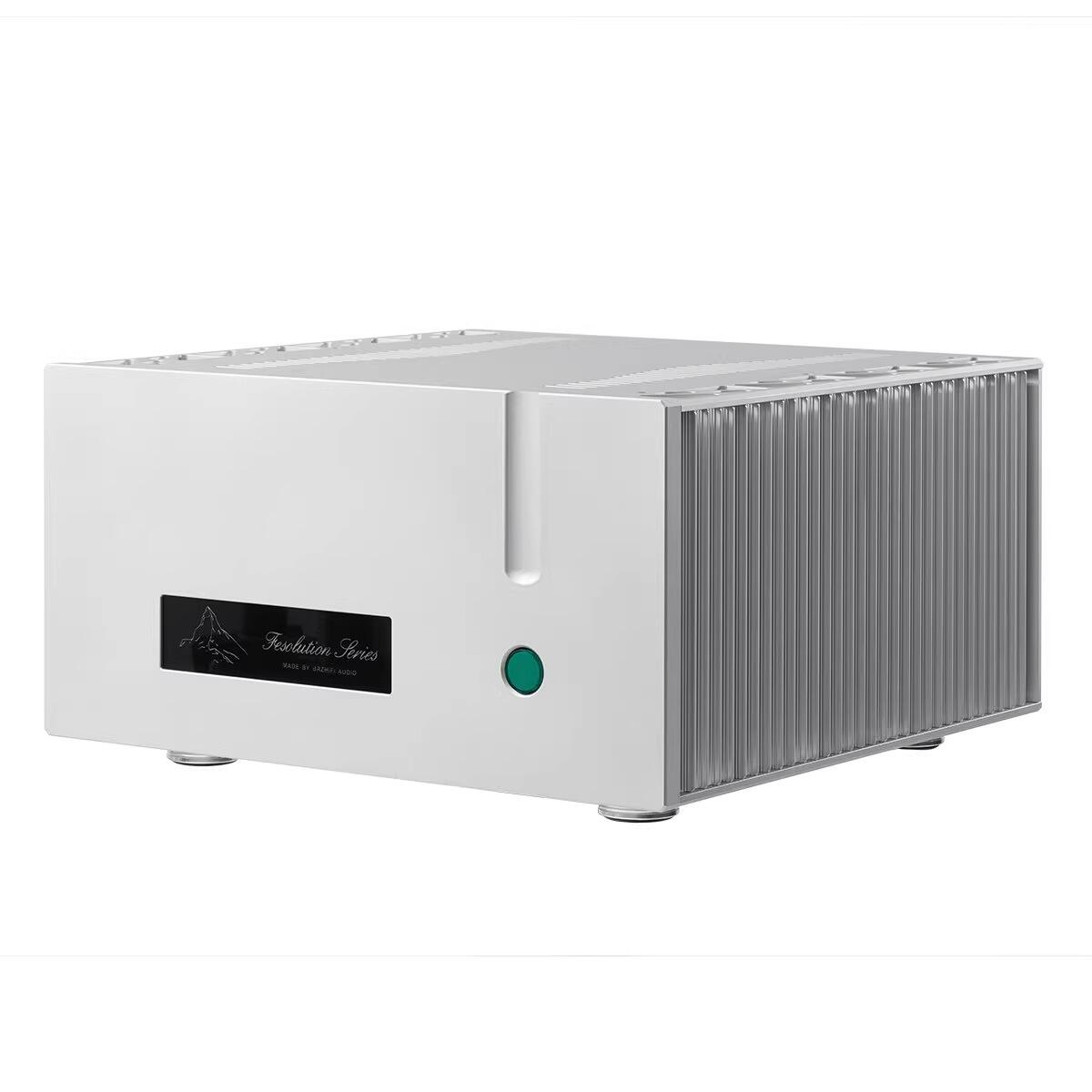
בניית מגבר במערכת DIY מסוג A מהווה אחד הפרויקטים האודיו המרשים ביותר עבור חובבי אלקטרוניקה, אך שיקולי הביטחון חייבים להיות בראש סדר העדיפויות בעת התחלת מסע טכני זה. מגברים מסוג A מוכרים באיכות השמע המצוינת שלהם ובפעולתם הליניארית, מה שהופך אותם למבוקשים במיוחד על ידי אודיו-פילים שמעריכים שחזור אודיו מושלם. בניית מגבר במערכת DIY מסוג A דורשת תשומת לב מדויקת לנהלי הביטחון החשמליים, לבחירת רכיבים מתאימים, ולהתאם לעקרונות המוכרים של תכנון מעגלים, כדי להבטיח הן את הביטחון האישי והן את הביצועים האופטימליים.
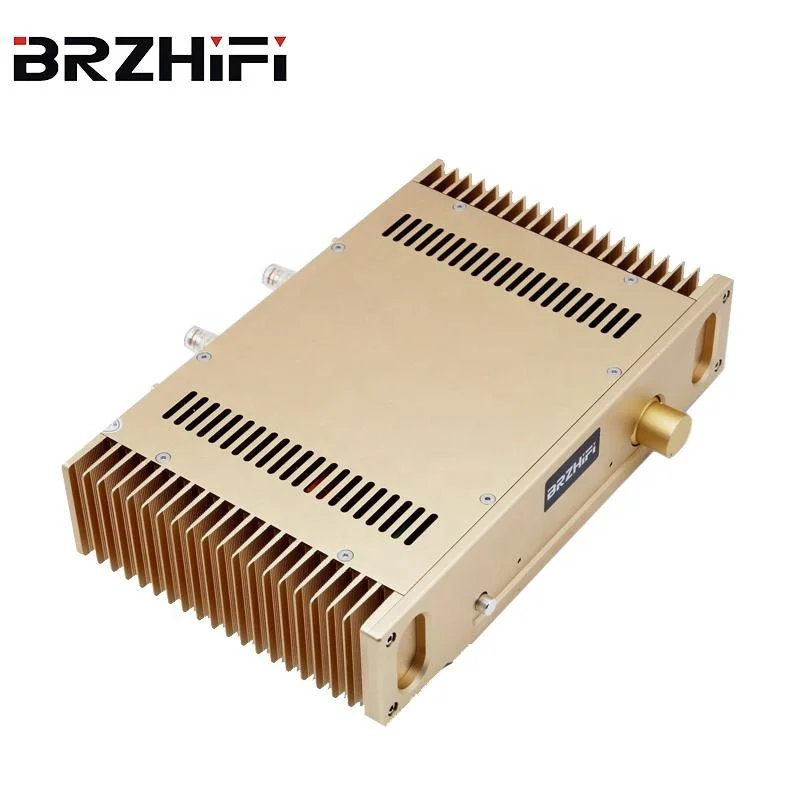
המגון בבניית מגבר DIY מסוג A עולה על חיסכון בעלויות בלבד, וכולל גם את הערך החינוכי של הבנת טופולוגיית המגבר והסיפוק שביצירת רכיב שמע באיכות גבוהה מיסודו. פעולת סוג A מבטיחה שטרנזיסטורים הפלטיים יישארו מוליכים לאורך מחזור האות כולו, מה שמונע עיוות מעבר (crossover distortion) ומביא לשחזור צליל חלק במיוחד. מאפיין ההולכה הרציפה הזה, למרות שהוא מועיל לאיכות השמע, יוצר אתגרים ייחודיים בניהול חום שבניית המגבר חייבת להתמודד איתם באמצעות בחירת סנקר חום מתאימה ועיצוב תכנון אוורור.
הבנת היסודות של מגבר מסוג A
עקרונות בסיסיים של פעולת
מגבר ביתי מדרגה A פועל על ידי שימור זרם קבוע דרך רכיבי הפלט ללא תלות בנוכחות האות, מה שמבטיח הגברה ליניארית בכל טווח התדרים האודיו. שיטת הפעולה הזו שונה באופן משמעותי מערכות מדרגה B או מדרגה AB, שבהן רכיבי הפלט נключения וננעלים במהלך מחזורי האות. ההולכה הרציפה בטופולוגיה של מדרגה A מאפסת את עיוות ההחלפה, אך יוצרת חום רב, ולכן דרושה ממפתחי המגבר יישום של פתרונות ניהול תרמי חזקים לאורך כל תהליך הבנייה.
בחירת נקודת הטייה במעגל הגברה ביתי מדרגה A קובעת את זרם השקט הזורם דרך טרנזיסטורים הפלט, ומשפיעה ישירות הן על איכות השמע והן על צריכת ההספק. התאמת הטייה מתאימה מבטיחה שהרכיבים הפלטיים פועלים באזור הליניארי שלהם, ללא כניסה למצבי רוויה או חיתוך במהלך הפעולה הרגילה. הבנת עקרונות יסוד אלו מאפשרת לבוני מערכות לקבל החלטות מושכלות בנוגע לבחירת רכיבים, גודל מדף הקירור (Heat Sink) ודרישות ספק ההספק עבור הצרכים הספציפיים של היישום.
שקולים טופולוגיית מעגל
תצורות חד-סופית ודו-סופית מייצגות את שתי הטופולוגיות העיקריות הזמינות לבניית מגבר בד"י בי-אֶי (Class A), כאשר כל אחת מהן מציעה יתרונות וקשיים ייחודיים. תצורות חד-סופיות משתמשות ברכיב יציאה יחיד לערוץ, ונותנות ליניאריות יוצאת דופן, אך מגבילות את יכולת הפלט החזקי ודורשות ספקי כוח גדולים יותר כדי לשמור על פעולת ד"י בי-אֶי. תצורות דו-סופיות משתמשות ברכיבי יציאה המשלימים זה את זה ופועלים יחד, מה שמאפשר רמות חזק גבוהות יותר תוך שמירה על מאפייני ד"י בי-אֶי באמצעות התאמת מתח המניע (bias) ברמה מדויקת.
הבחירה בין טופולוגיות אלו משפיעה על מספר הרכיבים, על מורכבות המעגל ועל רמת הקושי הכוללת של פרויקט ההגברה המבוצר באופן עצמאי (DIY) בסגנון Class A. מערכות חד-קצות (Single-ended) נוטות להכיל תצורות פשוטות יותר ומספר קטן יותר של התאמות קריטיות, מה שהופך אותן למתאימות יותר למתחילים שמבצעים את פרויקט ההגברה הראשון שלהם. תצורות דחיפה-משיכה (Push-pull) מציעות גמישות רבה יותר בהיקף הפלט החזקי, אך דורשות רשתות הטיה (bias) מתקדמות יותר ומעגלי מעקב אחר החום (thermal tracking) כדי לשמור על פעילות יציבה בתנאי טמפרטורה משתנים.
פרוטוקולי בטיחות חיוניים לבניית הגברות באופן עצמאי (DIY)
יסודות הבטיחות החשמלית
העבודה עם מתח רשת представляет את סכנת הבטיחות החמורה ביותר בעת בניית מגבר DIY מסוג A, ודורשת 준ה מחמירה לנהלי בטיחות חשמל לאורך כל תהליך הבנייה. טרנספורמטורים מבודדים מתאימים, מפסקים חשמליים נגד דליפת זרם לאדמה (GFCI) וציוד בדיקה מתאים מביאים לתנאי עבודה בטוחים תוך הפחתת הסיכון לפגיעת זרם או נזק לציוד. הבנת היחס בין מתח, זרם והספק עוזרת לבוני המגברים לזהות מצבים פוטנציאלית מסוכנים ולנקוט בצעדי בטיחות מתאימים לפני שتحدث בעיות.
הטמפרטורות הגבוהות של הפעולה בקטגוריה A יוצרות שיקולים נוספים לביטחון שעל המרכיבים לטפל בהם באמצעות אסטרטגיות מתאימות לالتهק ולחידוש מיקום הרכיבים. למקררים יש צורך ברווח מספיק מהרכיבים האחרים כדי למנוע נזק תרמי, בעוד שעיצוב הקופסה חייב לאפשר זרימת אויר מספקת כדי לשמור על טמפרטורות פעילות בטוחות. מעקב רגיל אחר הטמפרטורה בשלבי הבדיקה הראשוניים עוזר לזהות בעיות תרמיות פוטנציאליות לפני שהן פוגעות בביטחון או באימונת הרכיבים בהגבר המוגמר.
טיפול ברכיבים והתקנתם
הטיפול הנכון ברכיבי חצי מוליכים מונע נזק עקב פריצה אלקטרוסטטית שעשוי לפגוע בביצועים ובאימונות של פרויקט הגברת DIY מסוג A. צמידי יד אנטי-אלקטרוסטטיים, משטחי עבודה מוליכים וסביבות עם רמת לחות מבוקרת עוזרים להגן על רכיבים רגישים במהלך תהליכי ההרכבה והבדיקה. הבנת רמות הרגישות לאלקטרוסטטיקה של רכיבים שונים מאפשרת לבונים ליישם פרוטוקולי טיפול מתאימים לאורך תהליך הבנייה.
החלת חומר תרמי בין רכיבי כוח למשטחי פיזור חום דורשת תשומת לב מדויקת לכמות ולהתפלגות כדי להבטיח העברת חום אופטימלית בעיצוב של מגבר ביתי במחלקת A. כמות מופרזת של חומר תרמי עלולה למעשה לפגוע בהעברת החום, בעוד שהחלה לקויה יוצרת מחסומים תרמיים שיכולים להוביל לתקלה ברכיבים. מומלץ להשתמש בדרישות מומנט מדויקות לסוגרי המонтז' כדי למנוע מתח מכני על אריזות הרכיבים הסמיקרוניות, תוך הבטחת צימוד תרמי מספק בין הרכיבים למשטחי פיזור החום.
כלים וציוד חיוניים
כלים בסיסיים לבנייה
סדנת עבודה מוצ équipת תחתון למבנה מוצלח של מגבר ביתי מסוג Class A, ודורשת הן כלים ידניים בסיסיים והן מכשירי אלקטרוניקה متخصصים להרכבה ולבדיקה מתאימות. ציוד לחישול באיכות גבוהה, כולל מסגרות עם בקרת טמפרטורה וסוגי חישול מתאימים, מבטיח חיבורים חשמליים אמינים לאורך כל המעגל. קוצים למיחוד מדוייקים, מחושלים לסגירת שזירים ומכונות עיבוד מתכת מאפשרים התאמות מתאימות לקופסת המגביר והתקנת רכיבים כדי להשיג תוצאה מקצועית למראה.
רב-מודדים דיגיטליים עם יכולות מדידה מתאימות של מתח וזרם מספקים כלים אבחנתיים חיוניים לאבחון ולביצוע התאמות במהלך בניית מגבר בקטגוריה A כחלק מפרויקט 'עשה זאת בעצמך'. אוסצילוסקופים מאפשרים תצוגה חזותית של צורות הגל של האות והמאפיינים של העיוות, ועוזרים לבונים למקסם את הביצועים ולזהות בעיות פוטנציאליות לפני שהן משפיעות על איכות השמע. יוצרי פונקציות ומפענני שמע משלימים את סט הציוד לבדיקות הנדרש לצורך הערכת מגברים מקיפה והתאמתם.
ציוד מדידה متخصص
אימות ניהול החום דורש מדחמים אינפרא אדומים או מצלמות הדמיה תרמית לזיהוי נקודות חם ואישור פיזור חום מספק בעיצוב של מגבר בד"י בקטגוריה A. כלים אלו עוזרים לבונים לאופטימז את מיקום המוליכי חום ואת אסטרטגיות הالتهרה כדי לשמור על טמפרטורות פעילות בטוחות בתנאי עומס שונים. ניטור תרמי רגיל במהלך ישיבות האזנה ממושכות מבטיח אמינות לטווח ארוך ומונע כשלים של רכיבים הנובעים מחום.
ציוד ניטור אספקת הכוח מאפשר תצפית מתמדת על יציבות המתח וצריכת הזרם במהלך פעולת מגבר DIY בקטגוריה A, ועוזר לזהות בעיות פוטנציאליות לפני שהן משפיעות על הביצועים או על הבטיחות. אוסצילוסקופים דיגיטליים למאגר נתונים עם רוחב פס וקצב דגימה מתאימים מצלמים אירועים טרנזיטיביים ואת מאפייני הרעשים (Ripple) באספקת הכוח שיכולים להשפיע על איכות השמע. מדידות אלו מדריכות את הבחירה של קondenסאטורים מסננים ואת אופטימיזציה של עיצוב אספקת הכוח כדי להשיג ביצועים אופטימליים ביישומים מסוג A.
אסטרטגיות בחירת וחיזוק חומרים
שקולות איכות הרכיבים
הבחירה של רכיבים באיכות גבוהה משפיעה באופן משמעותי הן על הביצועים והן על האמינות של פרויקט הגברה מסוג A שמיוצר באופן עצמאי (DIY), מה שהופך את החלטות ההקניה המדויקות לחשובות להצלחת הפרויקט. קondenסטורים לתחום האודיו, נגדים מדויקים ורכיבי חצי מוליכים מתואמים תורמים לאיכות צליל מעולה וליציבות ארוכת טווח. הבנת مواפייני הרכיבים והשפעתם על ביצועי המעגל מאפשרת לבוני המערכת לקבל החלטות מושכלות שמאזנות בין اعتبارי עלות לדרישות הביצועים.
רכיבי אספקת הכוח דורשים תשומת לב מיוחדת ב- מגביר diy מחלקה a עיצוב בשל ההשפעה הישירה שלהם על איכות השמע ואמינות המערכת. קondenסטורים גדולים חייבים להכיל דירוגי זרם גלגול מתאימים ותנגדות סדרתית שקולה נמוכה כדי לתמוך בדרישות הזרם הגבוהות של פעולת כיתה A. בחירת הטרנספורמטור כוללת איזון בין מאפייני הרגולציה, הקיבולת התרמית ודרישות השרידות המגנטית כדי למזער הפרעות במעגלים האודיו הרגישים.
רשתות ספקים מהימנות
יצירת קשרים עם ספקי רכיבים אלקטרוניים מוכרים מבטיחה גישה לרכיבים אותנטיים ולתמיכה טכנית לאורך כל תהליך בניית הגבר DIY מסוג כיתה A. מפיצים מורשים מספקים ערבות לאותנטיות ולאגרות תהליכים מתאימים ששמורים על שלמות הרכיבים מהייצור ועד להתקנה. הבנת זמני משלוח וكمויות הזמנה מינימליות עוזרת לבונים לתכנן את הפרויקטים שלהם בצורה יעילה ולמנוע עיכובים הנובעים מחוסר זמינות של רכיבים.
ספקים מקומיים של ציוד אלקטרוני מספקים לעתים קרובות ייעוץ אישי בעל ערך וזמינות מיידית לרכיבים נפוצים המשמשים בפרויקטים עצמאיים של מגברים מדרגה A. בניית קשרים עם אנשי סטף בעלי ידע יכולת לספק גישה למומחיות טכנית ולסיוע בזיהוי ופתרון תקלות לאורך תהליך הבנייה. משאבים מקומיים אלו בדרך כלל מאחסנים חומרה متخصصة ורכיבים מכניים שעשויים להיות קשים למזוא דרך ערוצי רשת בלבד.
אתגרים טכניים נפוצים ופתרונות
אסטרטגיות ניהול תרמי
היצירת חום הגבוהה המאפיינת את הפעולה במחלקת A יוצרת אתגרים משמעותיים בניהול החום שאותם על הבונים להתמודד באמצעות בחירת מדף פליטה (Heat Sink) זהירה ועיצוב זרימת אוויר בפרויקטים של הגברה ממחלקת A שבוצעו באופן עצמאי (DIY). חישוב ההתנגדות התרמית מהצומת לטמפרטורת הסביבה עוזר לקבוע את גודל מדף הפליטה המתאים ואת אסטרטגיות ההתקנה שלו. הבנת הקשר בין פיזור הכוח, ההתנגדות התרמית ולטמפרטורות בטוחות להפעלה מאפשרת לבונים לעצב פתרונות מתקדמים לניהול החום.
מערכת קירור באוויר מאולצת עשויה להיות הכרחית בעיצובים של מגברים בד"י עם הספק גבוה יותר במ_osף A, ודורשת בחירה זהירה של מפוח ושליטה במהירותו כדי למזער את הרעש האקוסטי תוך שמירה על קיבולת קירור מספקת. בקרות מהירות משתנות מאפשרות קירור תלוי בטמפרטורה שמקטין את הרעש במהלך הפעלה בהספק נמוך, ובאותה עת מספקות קירור מספיק במהלך מקטעים דרמטיים. מערכת תעלות אויר מתאימה ומסננים מגינות על הרכיבים הפנימיים מפני הצטברות אבק, תוך שמירה על דפוסי זרימת אויר אופטימליים.
שקולים בעיצוב ספק כוח
עיצוב ספק הכוח לאמפליפייר DIY מדרגה A חייב לספק את דרישות הזרם הגבוהות ולשמור על מאפייני רגולציה מעולים כדי למנוע מודולציה של האות האודיו על ידי ספק הכוח. קondenסטורים גדולים לאגירה ומספר שלבים של רגולציה עוזרים לבודד את מעגלי האמפליפייר מהפרעות המגיעות מהרשת החשמלית ושינויים במעבדה. הבנת הקשר בין התנגדות ספק הכוח ובין ביצועי האמפליפייר מדריכה את בחירת הרכיבים ואת החלטות טופולוגיית המעגל.
ספקים כפולי מסלול (Dual-rail) מספקים טווח דינמי משופר והפרעה נמוכה יותר בעיצובי אמפליפיירים DIY מדרגה A מסוג Push-Pull, ובנוסף מפשטים את דרישות הקישור היצוא. הפצת המassa הנכונה וטכניקות Massa בכוכב (star grounding) ממזערות לולאות massa והפרעות בין מקטעי המעגל השונים. תשומת לב מדוקדקת לספיגת ספק הכוח (bypassing) ולפירוק תדרים גבוהים (high-frequency decoupling) מונעת תנודות ומשמרת יציבות בכל טווח התדרים האודיו.
הליכים לבדיקה וTroubleshooting
סדרות הפעלה ראשונית
הליכים שיטתיים להפעלה מפחיתים את הסיכון לפגיעת רכיבים במהלך הבדיקה הראשונית של פרויקט מגבר DIY מסוג A, החל בבדיקה ויזואלית זהירה של כל החיבורים וכיווני הרכיבים. מקורות כוח עם הגבלת זרם מאפשרים בדיקה ראשונית בטוחה על ידי מניעת זרימה מופרזת של זרם במקרה של שגיאות חיווט או תקלות ברכיבים. מעקב אחר מתחים וזרמים מרכזיים במהלך הפעלת הכוח הראשונית עוזר לזהות בעיות לפני שיגרמו נזק קבע לרכיבים יקרים.
הליכי התאמת הטיית המתח דורשים תשומת לב מדויקת ליציבות תרמית ולהתאמה של רכיבים כדי להבטיח ביצועים אופטימליים בעיצוב מגבר ידני מסוג A. הגדרת זרמי הטייה הראשוניים באופן שמרני והמתנה לזמן חימום מספיק מונעים מצבים של ריצה תרמית שעלולים להרוס את רכיבי הפלט. התאמת רשתות הטיית המתח בזה אחר זה תוך מעקב אחר טמפרטורת הרכיבים מבטיחה פעילות יציבה בתנאי סביבה משתנים וברמות אות שונות.
שיטות אימות ביצועים
פרוטוקולי בדיקה מקיפים מאשרים שמבואר ידני מסוג A שהושלם עומד בדרישות העיצוב ופועל בבטחה בכל התנאים המיועדים לשימושו. מדידות תגובת התדר על פני הספקטרום האודיו מזהות כל שיאים או גיאות לא רצויים שעלולים להשפיע על איכות השמע. מדידות עיוות ברמות הספק שונות מראות שהמגבר שומר על פעילות מסוג A בכל טווח ההפעלה המיועד לו, ללא כניסה למצב קיטעון (clipping) או למגבלות תרמיות.
בוחנים את היציבות לטווח הארוך על ידי הפעלה ממושכת ברמת ההספק הנומינלית תוך מעקב אחר טמפרטורות הרכיבים ופרמטרים חשמליים כדי לזהות כל סטייה או ירידה בביצועים. הליכי ה"הפעלה ראשונית" (burn-in) הללו עוזרים לזהות רכיבים שוליים או בעיות תרמיות לפני שהן משפיעות על האמינות בשימוש רגיל. מדידות חוזרות במהלך תקופת ההפעלה הראשונית מגדירות את מאפייני הביצועים הבסיסיים לצורך השוואה עתידית ופעולות תחזוקה.
שאלות נפוצות
מה גורם למגברות מדרגה A להיות שונות מסוגי המגברים האחרים במונחי ביטחון
מגברים מסוג Class A מייצרים חום רב בהשוואה לסוגי מגברים אחרים בשל פעולת ההולכה הרציפה שלהם, מה שדורש ניהול תרמי משופר ושקיפות ביחס לבטיחות מאש. הזרמים הגבוהים של הטייה הנדרשים לפעולת Class A יוצרים טמפרטורות גבוהות של רכיבים שדורשות גודל מושלם של מדפסות חום (heat sinks) ועיצוב תכנון אוורור מתאימה. בנוסף, הצריכה הגבוהה יותר של הספק עבור מערכות מסוג Class A דורשת רכיבי ספק כוח חזקים והגנות מעגליות מתאימות כדי למנוע מצבים של עיכוב (overload) שעלולים לפגוע בבטיחות.
האם מתחילים יכולים לבנות בהצלחה מגבר DIY מסוג Class A פונקציונלי ללא ניסיון קודם?
למרות הקושי, מתחילים יכולים להשלים בהצלחה פרויקט של מגבר ביצירת-עצמית (DIY) על ידי התחלה מעיצובים מוכחים, עקיבה אחר הוראות מפורטות ותעדוף פרוטוקולי בטיחות לאורך תהליך הבנייה. הצלחה תלויה במידה רבה בבחירת רמות מורכבות מתאימות, בהשקעה בכלים ובציוד בדיקה מתאימים, ובהתמקדות בזמן להבנת עקרונות המעגלים המונחים לפני תחילת הבנייה. הצטרפות לקהילות מקוונות ולחבורות אלקטרוניקה מקומיות מספקת הדרכה יקרה ותמיכה בפתרון בעיות לבוני-הראשונים.
אילו הטעויות הנפוצות ביותר גורמות לבעיות בטיחות בפרויקטים עצמאיים (DIY) של מגברים מסוג Class A?
הטעויות המסוכנות ביותר כוללות בידוד לא מספיק של מתח הרשת, ניהול תרמי בלתי מספק שגורם לסיכונים של דליקה, וקABELת אדמה לא תקינה שיוצרת סיכונים של השראה. טכניקות לحام לקויות יכולות ליצור חיבורים רופפים שיוצרים חום ועשויים לגרום לדליקה, בעוד שדרוג לא תקין של רכיבים עלול להוביל לפailures קטסטרופליים. דילוג על הליכי הבדיקה הראשוניים באמצעות מקורות זרם עם הגבלה עלול להוביל לנזק נרחב לרכיבים, שניתן היה למנוע באמצעות גישות שיטתיות לאבחון תקלות.
כמה על תלמידים מתחילים לצפות להשקיע בכלים ורכיבים לפרויקט ההגבר מסוג A הראשון שלהם
השקעה הראשונית בכלים נוטה לנוע בדרך כלל בין 200–500 דולר לציוד בסיסי לחיבור באבזם, למולטימטר ולכלים ידניים, בעוד שעלות הרכיבים לפרויקט מגבר ביתי פשוט מסוג A נעה בדרך כלל בין 100–300 דולר, בהתאם לפלט ההספק ולבחירת איכות הרכיבים. ציוד בדיקה מתקדם יותר, כגון אוסצילוסקופים, עלול להגביר משמעותית את העלות, אך ניתן לשכור או ללוות אותו לשימוש חד-פעמי. התחלת העבודה עם מערכות נמוכות הספק עוזרת לשלוט בעלויות, תוך כדי מתן חוויית למידה ערכית לפני המעבר לפרויקטים מורכבים ויקרים יותר.
תוכן העניינים
- הבנת היסודות של מגבר מסוג A
- פרוטוקולי בטיחות חיוניים לבניית הגברות באופן עצמאי (DIY)
- כלים וציוד חיוניים
- אסטרטגיות בחירת וחיזוק חומרים
- אתגרים טכניים נפוצים ופתרונות
- הליכים לבדיקה וTroubleshooting
-
שאלות נפוצות
- מה גורם למגברות מדרגה A להיות שונות מסוגי המגברים האחרים במונחי ביטחון
- האם מתחילים יכולים לבנות בהצלחה מגבר DIY מסוג Class A פונקציונלי ללא ניסיון קודם?
- אילו הטעויות הנפוצות ביותר גורמות לבעיות בטיחות בפרויקטים עצמאיים (DIY) של מגברים מסוג Class A?
- כמה על תלמידים מתחילים לצפות להשקיע בכלים ורכיבים לפרויקט ההגבר מסוג A הראשון שלהם