
 EN
EN
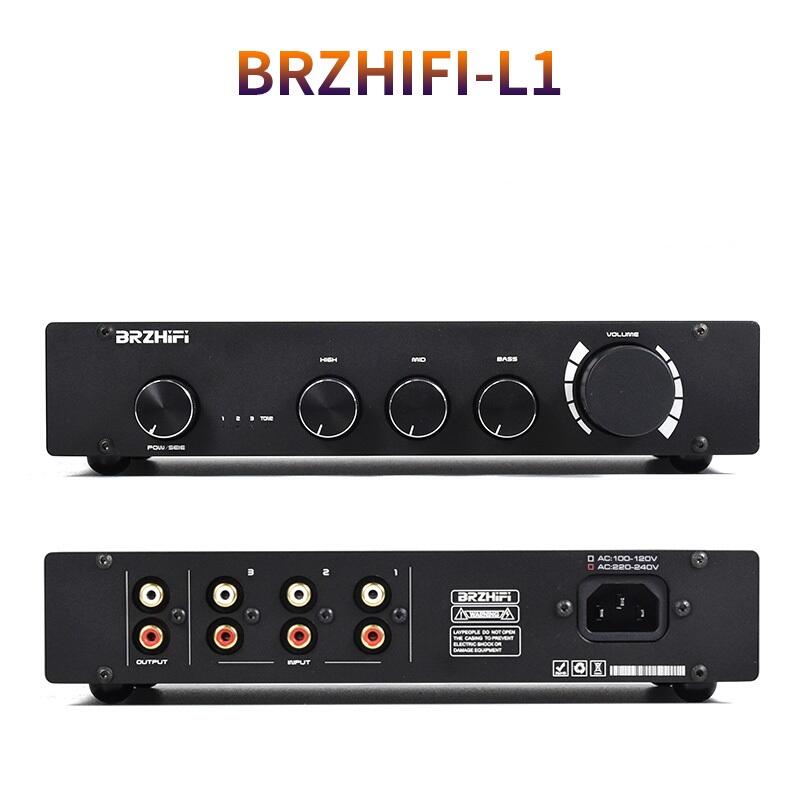
Selecting the best class ab amplifier for your audio system requires careful consideration of multiple technical factors and performance characteristics. Class AB amplifiers represent the sweet spot between efficiency and audio fidelity, offering superior sound quality compared to Class D designs while maintaining better power efficiency than pure Class A configurations. When evaluating amplifiers for real speaker loads, understanding impedance matching, power delivery, and thermal management becomes crucial for achieving optimal performance. The complexity of modern speaker designs demands amplifiers that can handle varying impedance curves and dynamic power requirements effectively.
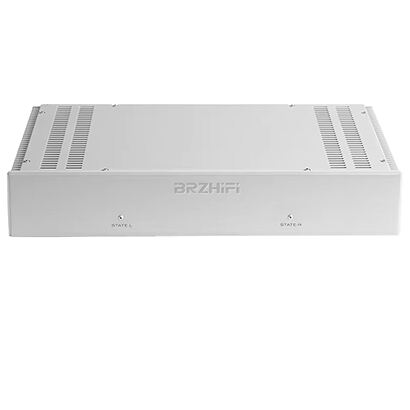
Understanding Class AB Amplifier Technology
Fundamental Operating Principles
Class AB amplifiers combine the linear characteristics of Class A operation with the efficiency benefits of Class B design. During low-level signals, both output transistors conduct simultaneously, providing the smooth, distortion-free reproduction associated with Class A amplifiers. As signal levels increase, the amplifier transitions to Class B operation, where each transistor handles alternate half-cycles of the waveform. This hybrid approach ensures that the best class ab amplifier delivers excellent sound quality while maintaining reasonable power efficiency and thermal management.
The bias point in Class AB designs determines the crossover characteristics between Class A and Class B operation. Proper bias adjustment eliminates crossover distortion while optimizing power consumption. High-quality implementations feature sophisticated bias circuits that maintain stable operating points across varying temperatures and signal conditions. Understanding these technical aspects helps audiophiles identify amplifiers that will perform consistently under real-world conditions.
Advantages Over Alternative Designs
When compared to Class D switching amplifiers, Class AB designs offer superior linearity and lower electromagnetic interference. The continuous analog operation eliminates the high-frequency switching artifacts that can affect sensitive audio circuits. Class AB amplifiers also demonstrate better performance with reactive speaker loads, maintaining stable operation even when connected to speakers with complex impedance characteristics.
The thermal characteristics of Class AB amplifiers provide another significant advantage. While they generate more heat than Class D designs, the thermal output remains predictable and manageable with proper heatsink design. This thermal stability contributes to consistent performance and component longevity, making the best class ab amplifier a reliable choice for demanding applications.
Critical Specifications for Speaker Matching
Power Output and Impedance Considerations
Real speaker loads present complex impedance curves that vary significantly with frequency. The best class ab amplifier must deliver stable power across the entire impedance range encountered in typical speakers. Specifications should include power ratings at multiple impedance levels, typically 4, 8, and 16 ohms, with measurements extending beyond simple sine wave tests to include complex musical signals.
Dynamic power capability becomes crucial when driving real speakers with varying impedance characteristics. Peak current delivery and short-term power handling determine how well an amplifier responds to transient musical passages. Amplifiers with robust power supply designs and generous current capacity handle difficult speaker loads more effectively, maintaining control during demanding musical passages.
Frequency Response and Bandwidth
The frequency response characteristics of Class AB amplifiers directly impact sound quality with real speakers. Wide bandwidth capability ensures accurate reproduction across the entire audible spectrum while providing adequate headroom for ultrasonic content. The best class ab amplifier maintains flat response from below 20 Hz to beyond 20 kHz with minimal phase shift.
Phase linearity becomes particularly important when driving multi-driver speaker systems. Amplifiers with excellent phase characteristics preserve the time relationships between different frequency components, maintaining proper soundstage imaging and tonal balance. High-quality designs incorporate feedback circuits that optimize both amplitude and phase response across the operating bandwidth.
Thermal Management and Reliability Factors
Heat Dissipation Requirements
Effective thermal management directly impacts the long-term reliability and performance consistency of Class AB amplifiers. The best class ab amplifier designs incorporate substantial heatsinking capacity and intelligent thermal protection circuits. Proper heat dissipation prevents thermal-induced distortion and protects expensive output transistors from damage during extended operation.
Thermal cycling resistance becomes important in installations subject to varying ambient temperatures. Quality amplifiers maintain stable bias points and consistent performance across wide temperature ranges. Advanced designs feature temperature-compensated bias circuits that automatically adjust operating points to maintain optimal performance regardless of thermal conditions.
Protection Circuit Implementation
Comprehensive protection systems distinguish professional-grade amplifiers from consumer models. Essential protection features include short-circuit protection, thermal shutdown, DC offset protection, and safe area limiting. The best class ab amplifier implements these protections without compromising audio quality during normal operation.
Soft-start circuits prevent inrush current damage during power-up sequences while protecting connected speakers from transient signals. Quality implementations gradually ramp up the operating voltages, ensuring stable startup behavior and extending component life. These protection features become particularly important when driving expensive or sensitive speaker systems.
Measurement Techniques for Real-World Performance
Test Signal Considerations
Evaluating amplifier performance requires test signals that simulate real musical content rather than simple sine waves. Multi-tone testing reveals intermodulation distortion characteristics that single-frequency measurements cannot detect. The best class ab amplifier maintains low distortion levels even with complex musical signals containing multiple frequency components.
Dynamic range testing using standardized test signals helps predict performance with actual program material. These tests reveal compression characteristics and clipping behavior under realistic operating conditions. Proper evaluation requires sophisticated test equipment capable of generating and analyzing complex waveforms that approximate musical content.
Load Testing Methodologies
Real speaker impedance simulation requires specialized test loads that accurately reproduce the reactive characteristics of actual loudspeakers. Simple resistive loads fail to reveal stability issues and performance limitations that become apparent with complex impedance curves. The best class ab amplifier maintains stable operation when tested with industry-standard reactive test loads.
Long-duration testing under varying load conditions reveals thermal stability and reliability characteristics. Continuous operation tests at rated power levels demonstrate the amplifier's ability to maintain performance during extended listening sessions. These tests often reveal design weaknesses that become apparent only after prolonged operation.
Installation and Setup Considerations
Ventilation and Placement Requirements
Proper installation significantly impacts the performance and longevity of Class AB amplifiers. Adequate ventilation prevents thermal buildup that can degrade performance and reduce component life. The best class ab amplifier requires sufficient clearance around ventilation openings and protection from dust accumulation that can impede heat dissipation.
Equipment rack placement considerations include vibration isolation and electromagnetic shielding. Mechanical isolation prevents vibration-induced microphonics while proper shielding reduces interference from nearby electronic devices. Professional installations often incorporate dedicated amplifier rooms or equipment closets that optimize operating conditions.
Signal Path Optimization
High-quality interconnect cables and proper grounding techniques maximize the performance potential of premium amplifiers. Balanced connections provide superior noise immunity in professional installations while maintaining signal integrity over long cable runs. The best class ab amplifier designs include provisions for both balanced and unbalanced inputs to accommodate various system configurations.
Power supply considerations extend beyond the amplifier itself to include dedicated circuit installations and power conditioning equipment. Clean, stable AC power prevents performance degradation and reduces the risk of equipment damage from power line disturbances. Quality installations often incorporate isolation transformers and surge protection devices to ensure optimal operating conditions.
FAQ
What makes Class AB amplifiers better than other amplifier types for driving real speakers
Class AB amplifiers excel with real speakers because they combine the linear characteristics needed for accurate sound reproduction with sufficient efficiency for practical use. Unlike Class A amplifiers, they don't generate excessive heat, and unlike Class D designs, they avoid switching artifacts that can interact poorly with complex speaker impedances. The best class ab amplifier maintains stable operation across varying load conditions while delivering clean, undistorted power to demanding speaker systems.
How important is impedance matching when selecting an amplifier for specific speakers
Impedance matching significantly affects both performance and safety when connecting amplifiers to speakers. The amplifier must deliver adequate current to drive the speaker's minimum impedance while maintaining stability across the entire impedance curve. Mismatched impedances can result in reduced power delivery, increased distortion, or amplifier instability. The best class ab amplifier specifications include detailed impedance compatibility information to ensure proper matching with various speaker types.
What role does thermal management play in amplifier performance and longevity
Thermal management directly impacts both immediate performance and long-term reliability of Class AB amplifiers. Excessive heat causes bias point drift, increased distortion, and premature component aging. Proper heatsinking and ventilation maintain stable operating temperatures, ensuring consistent performance during extended use. The best class ab amplifier incorporates sophisticated thermal protection while providing adequate heat dissipation capacity for continuous high-power operation.
How can I evaluate amplifier performance with my specific speakers before purchasing
The most effective evaluation method involves listening tests with your actual speakers in your listening environment. However, technical specifications provide valuable guidance for initial selection. Look for power ratings at your speaker's impedance, distortion specifications at realistic power levels, and frequency response data. Professional dealers often provide demonstration opportunities or return policies that allow real-world evaluation. The best class ab amplifier will demonstrate stable performance with your specific speaker combination across various musical genres and volume levels.
Table of Contents
- Understanding Class AB Amplifier Technology
- Critical Specifications for Speaker Matching
- Thermal Management and Reliability Factors
- Measurement Techniques for Real-World Performance
- Installation and Setup Considerations
-
FAQ
- What makes Class AB amplifiers better than other amplifier types for driving real speakers
- How important is impedance matching when selecting an amplifier for specific speakers
- What role does thermal management play in amplifier performance and longevity
- How can I evaluate amplifier performance with my specific speakers before purchasing