
 EN
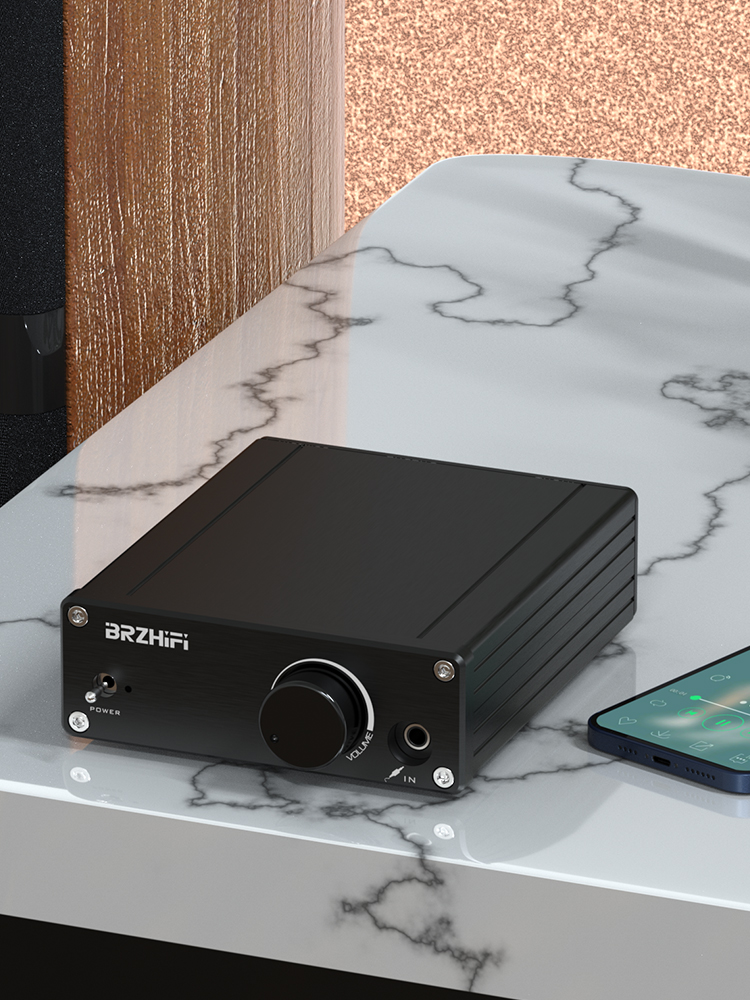
The modern audio landscape has undergone a profound transformation, and the digital amplifier stands at the center of this revolution. In high-efficiency audio systems, the digital amplifier has become the preferred choice for professionals and audiophiles alike, fundamentally changing how we approach sound reproduction. Unlike traditional analog amplifiers that have dominated the industry for decades, a digital amplifier delivers unparalleled efficiency, reduced thermal output, and exceptional audio fidelity. This shift represents more than a technological upgrade; it reflects a comprehensive reimagining of what modern audio systems can achieve.
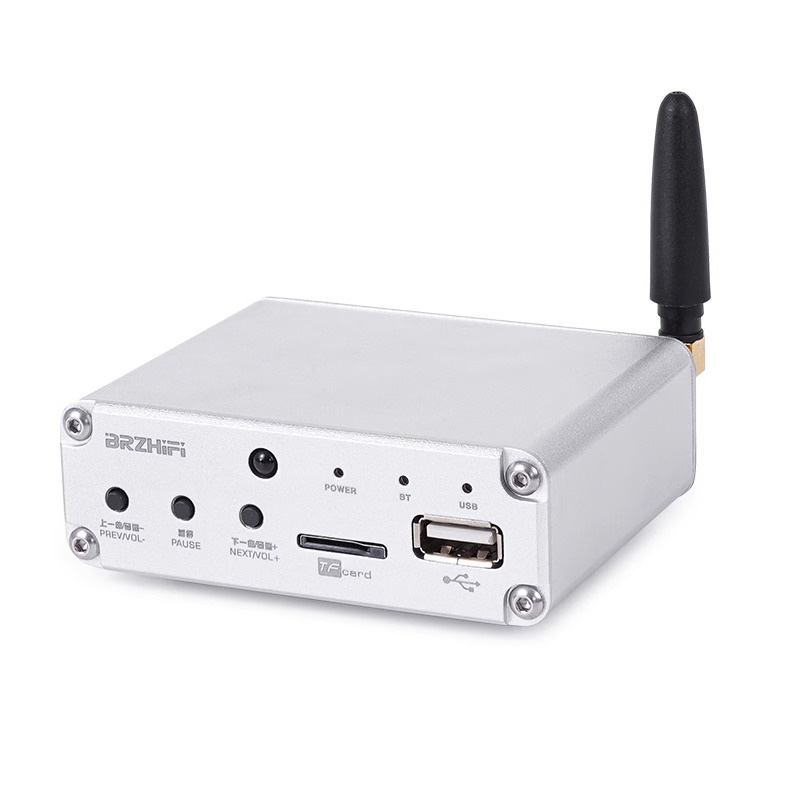
The popularity of the digital amplifier in high-efficiency audio systems stems from its ability to convert audio signals with minimal energy loss while maintaining exceptional sound quality. High-efficiency audio systems demand components that can operate at peak performance without generating excessive heat or consuming unnecessary power. A digital amplifier achieves this balance through advanced switching technology and sophisticated signal processing, making it the natural choice for contemporary audio applications ranging from home theater installations to professional studio environments.
Energy Efficiency and Power Conservation
Superior Power Conversion in Digital Amplifier Design
A digital amplifier operates on fundamentally different principles than linear analog amplifiers. Traditional linear amplifiers waste significant energy as heat because they maintain a continuous bias across their output stage. In contrast, a digital amplifier uses pulse-width modulation to switch between on and off states at extremely high frequencies, converting most input power directly into audio output. This switching approach means a digital amplifier typically achieves efficiency ratings between 85% and 95%, compared to 50% to 70% for conventional linear designs. The energy that would otherwise dissipate as heat is instead converted into usable sound output, making a digital amplifier dramatically more environmentally responsible and cost-effective over time.
Thermal Management Advantages
Heat generation presents a critical challenge in high-efficiency audio systems, and this is where a digital amplifier provides measurable advantages. Because a digital amplifier wastes far less energy during signal conversion, the equipment generates minimal thermal output. This reduced heat production eliminates the need for elaborate cooling systems, large heatsinks, or forced-air ventilation that traditional amplifiers require. A digital amplifier can operate comfortably in compact enclosures without thermal stress, allowing manufacturers to design smaller, more flexible audio equipment. For commercial installations where space constraints are critical, a digital amplifier represents a practical solution that maintains performance while reducing physical footprint.
Compact Design and Installation Flexibility
Size and Weight Reduction Benefits
The architectural efficiency of a digital amplifier enables dramatically smaller and lighter equipment compared to traditional amplifier designs. A digital amplifier eliminates the need for massive output transformers and large heat-dissipation components that occupy significant space in conventional units. This compact nature of a digital amplifier makes it ideal for modern interior design where bulky equipment is impractical. Whether integrating audio into residential spaces, commercial venues, or mobile applications, a digital amplifier offers installation flexibility that legacy technologies simply cannot match. The reduced weight also simplifies shipping, installation labor, and system reconfiguration, translating to lower operational costs.
Integration with Smart Audio Systems
Modern high-efficiency audio systems increasingly incorporate wireless connectivity and networked audio distribution, areas where a digital amplifier excels naturally. A digital amplifier can be seamlessly paired with digital audio processors, wireless receivers, and intelligent control systems without signal conversion bottlenecks. The compact design of a digital amplifier also means it can be embedded directly into speaker cabinets, creating active speaker solutions that require no separate amplifier rack. This integration capability makes a digital amplifier the foundation for modern distributed audio systems in smart buildings, venues, and residential environments.
Superior Audio Performance and Fidelity
Signal Processing Capabilities
Contemporary digital amplifier designs incorporate sophisticated digital signal processing that delivers audio performance exceeding what traditional analog amplifiers can achieve. A digital amplifier allows manufacturers to implement advanced features such as dynamic range optimization, frequency response shaping, and distortion correction at the amplification stage itself. These capabilities mean a digital amplifier can adapt to different audio content types, speaker characteristics, and listening environments with precision impossible for purely analog designs. The digital amplifier represents an opportunity to extract maximum fidelity from source material across diverse audio formats and codec standards.
Extended Frequency Response and Dynamic Range
A digital amplifier delivers extended frequency response and superior dynamic range characteristics that enhance overall listening experience. The precise control offered by a digital amplifier means that subtle audio details, transients, and spatial cues are reproduced with accuracy that satisfies demanding audiophiles and professional acousticians. High-efficiency audio systems benefit from a digital amplifier's ability to maintain consistent performance across the full audible spectrum without the frequency limitations that plague some analog designs. This performance ceiling places a digital amplifier at the core of premium audio installations where sonic excellence is non-negotiable.
FAQ
How does a digital amplifier achieve such high efficiency compared to traditional amplifiers?
A digital amplifier uses pulse-width modulation and switching technology to convert audio signals with minimal energy loss. Unlike linear amplifiers that continuously bias their output stage and waste energy as heat, a digital amplifier switches between on and off states at ultrasonic frequencies, converting up to 95% of input power directly into audio output. This fundamental design difference is why a digital amplifier has become the standard in high-efficiency audio systems worldwide.
Can a digital amplifier deliver the same sound quality as expensive analog amplifiers?
Modern digital amplifier designs now rival or exceed the audio performance of traditional analog amplifiers, particularly in controlled listening environments. A digital amplifier offers advantages such as lower distortion, extended frequency response, and precise dynamic control that many analog designs cannot match. The perception that a digital amplifier cannot deliver audiophile-grade sound is largely outdated; current implementations prove that a digital amplifier can satisfy even the most critical listeners when properly engineered and integrated into well-designed audio systems.
Why should I choose a digital amplifier for my home theater or audio installation?
A digital amplifier offers practical and performance benefits that make it the superior choice for modern installations. A digital amplifier requires less cooling infrastructure, occupies minimal space, integrates easily with digital audio sources, and delivers exceptional sound quality while consuming less power than conventional amplifiers. Whether you are upgrading an existing system or designing a new installation, a digital amplifier provides reliability, efficiency, and sonic excellence that justifies its position as the technology of choice in high-efficiency audio systems.