
 EN
EN
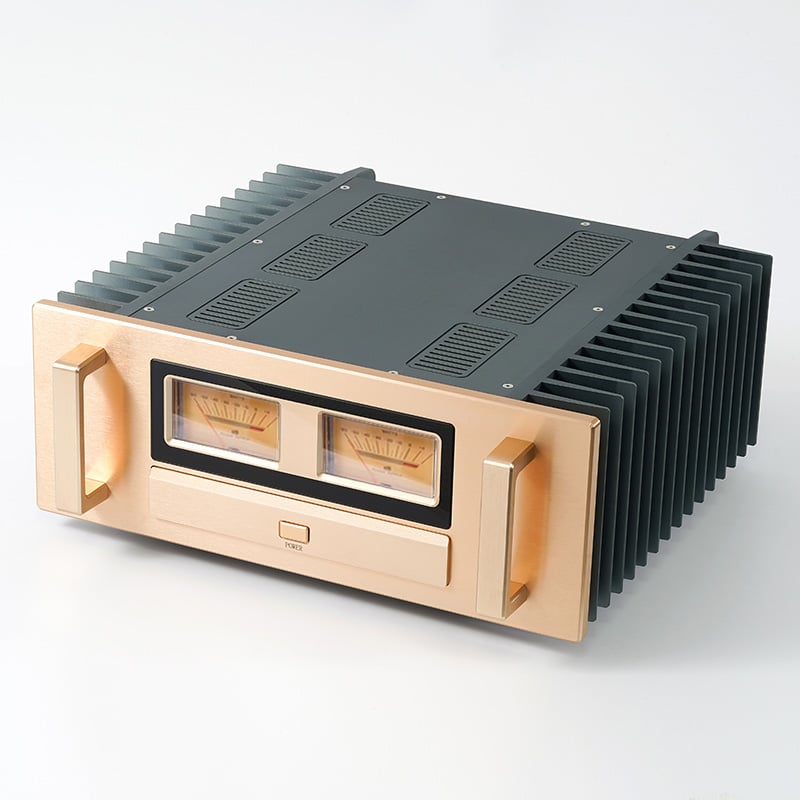
Audiophiles constantly seek equipment that delivers the most accurate and emotionally engaging sound reproduction possible. Among amplification technologies, the class a amplifier has earned a legendary reputation for delivering pure, uncolored sound that reveals every nuance in a recording. This preference is not based on marketing hype but on fundamental electrical engineering principles that make the class a amplifier topology inherently superior for critical listening applications. Understanding why discerning listeners gravitate toward class a amplifier designs requires examining both the technical advantages and the subjective sonic qualities that define high-fidelity audio reproduction.
The class a amplifier operates under a unique biasing condition where the output devices remain conducting throughout the entire signal cycle, eliminating the crossover distortion that plagues other amplifier topologies. This continuous conduction means that every class a amplifier maintains its output transistors in an active state at all times, never allowing them to turn off completely even during silent passages. The result is a signal path that experiences minimal switching artifacts and nonlinearities, translating to a purity of tone that experienced listeners can immediately identify. For audiophiles who invest in high-resolution source components and precision loudspeakers, the class a amplifier serves as the crucial link that preserves signal integrity from input to output.
The Technical Foundation of Class A Amplifier Superiority
Elimination of Crossover Distortion
The primary technical advantage of any class a amplifier lies in its complete elimination of crossover distortion, a form of nonlinearity that occurs when amplifier output devices transition between conducting and non-conducting states. In class AB and class B designs, output transistors alternate responsibility for positive and negative signal swings, creating a handoff point where both devices are momentarily inactive. This transition zone introduces harmonic distortion that smears transient information and adds a harsh quality to the sound. The class a amplifier avoids this entirely because its output stage never shuts off, maintaining continuous current flow through the output devices regardless of signal amplitude. This means every class a amplifier delivers a signal that passes through active, linear devices at all times, preserving the waveform integrity that audiophiles demand for accurate reproduction of complex musical passages.
Linear Operating Region and Reduced Harmonic Content
Every class a amplifier operates its output devices in their most linear region, where the relationship between input voltage and output current remains proportional across the full signal range. This operating condition minimizes higher-order harmonic distortion, which the human ear perceives as harshness and fatigue during extended listening sessions. The class a amplifier topology generates predominantly second-order harmonics when distortion does occur, and these even-order harmonics are musically consonant and psychoacoustically less objectionable than the odd-order harmonics produced by switching amplifier designs. Audiophiles recognize that the class a amplifier provides a more natural harmonic structure that aligns with how acoustic instruments generate overtones, creating a sonic presentation that sounds more organic and realistic. The low-level detail retrieval of a properly designed class a amplifier reveals spatial cues and textural information that remain masked in amplifiers with higher distortion profiles.
Thermal Stability and Consistent Performance
The class a amplifier maintains thermal stability because its output devices operate at constant power dissipation regardless of signal level. This consistent thermal environment means that the electrical characteristics of the output stage remain stable, avoiding the thermal modulation effects that can occur in amplifiers where power dissipation varies with signal amplitude. When a class a amplifier reaches its steady-state operating temperature, it maintains predictable performance characteristics throughout listening sessions. This thermal consistency contributes to the subjective sense of solidity and control that audiophiles associate with class a amplifier sound, particularly during dynamic musical passages where other amplifier topologies may exhibit thermal compression or shifting bias points. The class a amplifier delivers the same sonic signature at whisper-quiet levels as it does during orchestral crescendos, providing the consistency that critical listeners value.
Subjective Sonic Characteristics That Define Class A Amplifier Appeal
Midrange Transparency and Tonal Accuracy
Audiophiles frequently describe the class a amplifier as having exceptional midrange transparency, where vocalists and solo instruments emerge with palpable presence and natural timbre. This midrange purity stems from the low distortion and linear transfer characteristics that allow the class a amplifier to reproduce the fundamental tones and harmonic structures of acoustic instruments without coloration. The class a amplifier preserves the subtle inflections in a vocalist's phrasing and the complex overtone series of stringed instruments, creating an intimate connection between the listener and the performance. For audiophiles who prioritize emotional engagement with music, the class a amplifier provides the tonal accuracy necessary to experience recordings as the artists and engineers intended, without the electronic artifacts that can make reproduced music sound mechanical or sterile.
Soundstage Depth and Three-Dimensional Imaging
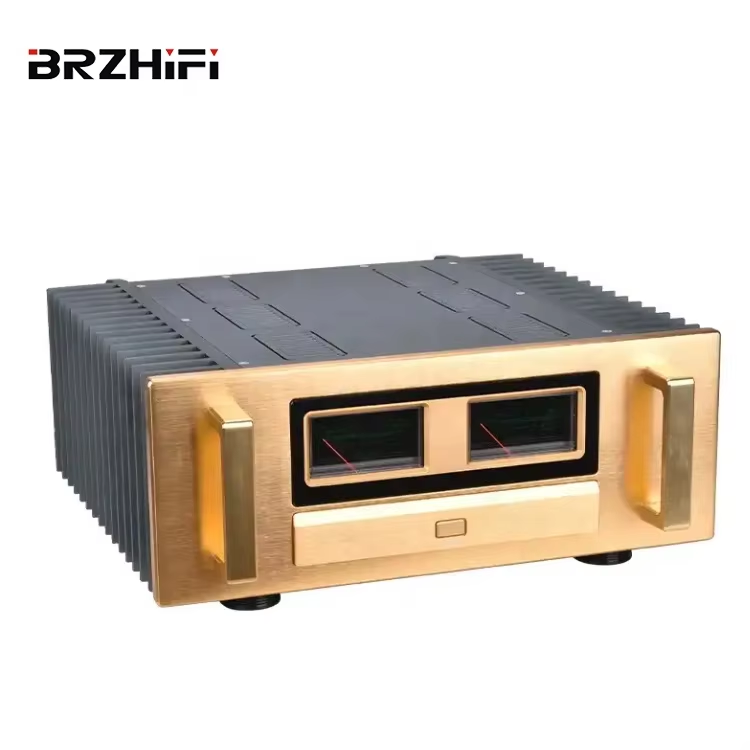
The low-level detail preservation inherent in the class a amplifier contributes to superior soundstage presentation, where instruments occupy specific locations in three-dimensional space rather than existing as flat, two-dimensional sources. The class a amplifier resolves the subtle timing and amplitude cues embedded in stereo recordings that define spatial relationships, allowing listeners to perceive the depth of concert halls and the layering of instruments from front to back. Audiophiles value this imaging precision because it transforms listening from a simple playback experience into an immersive recreation of the acoustic event. The class a amplifier achieves this spatial realism by maintaining signal integrity through the entire frequency spectrum, ensuring that the delicate reverberant information and inter-channel differences that encode spatial information remain intact and uncorrupted.
Dynamic Expression and Microdynamic Articulation
The class a amplifier excels at reproducing both large-scale dynamic swings and the subtle microdynamic variations that give music its emotional impact and rhythmic drive. Because the class a amplifier output stage is always conducting and never requires time to turn on or stabilize, it responds instantaneously to transient signals, capturing the leading edge of drum strikes and the attack characteristics of plucked strings with precision. This transient accuracy allows the class a amplifier to convey the rhythmic momentum and propulsive energy that make music compelling. Audiophiles recognize that the class a amplifier delivers the dynamic expression necessary to experience the full emotional range of a performance, from the gentlest pianissimo passages to the most explosive fortissimo climaxes, without compression or blurring of dynamic contrasts.
Practical Considerations and System Integration
Power Requirements and Thermal Management
The class a amplifier operates with lower efficiency than other topologies because it maintains continuous current flow through its output devices, dissipating significant power as heat even when producing no audio output. This thermal characteristic means every class a amplifier requires substantial heat sinking and careful ventilation to maintain safe operating temperatures. Audiophiles who choose a class a amplifier must accommodate these thermal realities in their system planning, ensuring adequate ventilation and positioning the amplifier where heat dissipation will not create comfort issues or affect other components. Despite these practical considerations, dedicated listeners accept the thermal and power consumption characteristics of the class a amplifier as necessary tradeoffs for the sonic purity that defines this topology. Modern class a amplifier designs incorporate sophisticated thermal management to maximize reliability while maintaining the sonic advantages that make this approach desirable.
Loudspeaker Compatibility and Power Delivery
The class a amplifier typically delivers moderate power output compared to class AB designs of similar size and cost, but its ability to maintain high current delivery into complex loudspeaker impedances gives it a control authority that belies its rated wattage. The class a amplifier provides stable performance into difficult loads because its output stage never transitions between operating modes, maintaining consistent drive capability regardless of loudspeaker impedance variations. Audiophiles selecting a class a amplifier should consider loudspeaker sensitivity and impedance characteristics to ensure adequate power reserves for realistic listening levels. Well-matched combinations of class a amplifier and loudspeakers create synergistic systems where the amplifier's sonic strengths complement the speaker's characteristics, resulting in natural, effortless sound reproduction that draws listeners into the musical performance.
Long-Term Value and Listening Satisfaction
Audiophiles who invest in a quality class a amplifier often report that it becomes a long-term reference component in their systems, providing consistent satisfaction across equipment upgrades and source component changes. The fundamental sonic characteristics of the class a amplifier remain appealing regardless of trends in audio technology, and well-designed examples maintain their performance for decades with minimal maintenance. The class a amplifier represents a mature technology where engineering principles are thoroughly understood and optimization focuses on execution quality rather than novel circuit topologies. For listeners seeking an amplifier that will deliver musical satisfaction over the long term without the need for constant upgrading, the class a amplifier offers enduring value that justifies its initial cost and operational requirements.
FAQ
How does a class a amplifier differ from class AB in terms of sound quality?
A class a amplifier eliminates crossover distortion entirely because its output devices never turn off, while class AB amplifiers experience a transition zone where both output devices are momentarily inactive, introducing nonlinear distortion. The class a amplifier maintains continuous conduction, resulting in lower distortion, better low-level detail retrieval, and a more natural harmonic structure. Audiophiles perceive the class a amplifier as having superior midrange transparency, better soundstage depth, and more accurate tonal reproduction compared to class AB designs. The class a amplifier also maintains consistent performance regardless of signal level, avoiding the thermal modulation effects that can affect class AB amplifiers during dynamic passages.
Why does a class a amplifier generate so much heat?
The class a amplifier generates substantial heat because its output devices conduct continuously, even when no audio signal is present, dissipating the difference between supply voltage and output voltage as thermal energy. This constant power dissipation means the class a amplifier operates with low efficiency, typically converting only 20 to 30 percent of input power into audio output. The class a amplifier requires extensive heat sinking to safely dissipate this thermal energy and maintain stable operating temperatures. Despite the thermal challenges, audiophiles accept this characteristic because the continuous conduction that causes heat generation is precisely what eliminates crossover distortion and enables the class a amplifier to deliver its signature sonic purity.
Is a class a amplifier suitable for all music genres and listening preferences?
The class a amplifier excels across all music genres, from intimate jazz recordings to large-scale orchestral works, because its low distortion and accurate transient response benefit any musical content. The class a amplifier particularly suits listeners who prioritize tonal accuracy, soundstage realism, and emotional connection with recorded performances. While the class a amplifier may not provide the extreme power output that some high-volume listening or low-sensitivity loudspeakers require, its sonic characteristics appeal to audiophiles who value quality over sheer quantity. The class a amplifier delivers the transparency and dynamic expression that allow listeners to appreciate the artistry in any musical genre, making it a versatile choice for serious music enthusiasts.