
 EN
EN
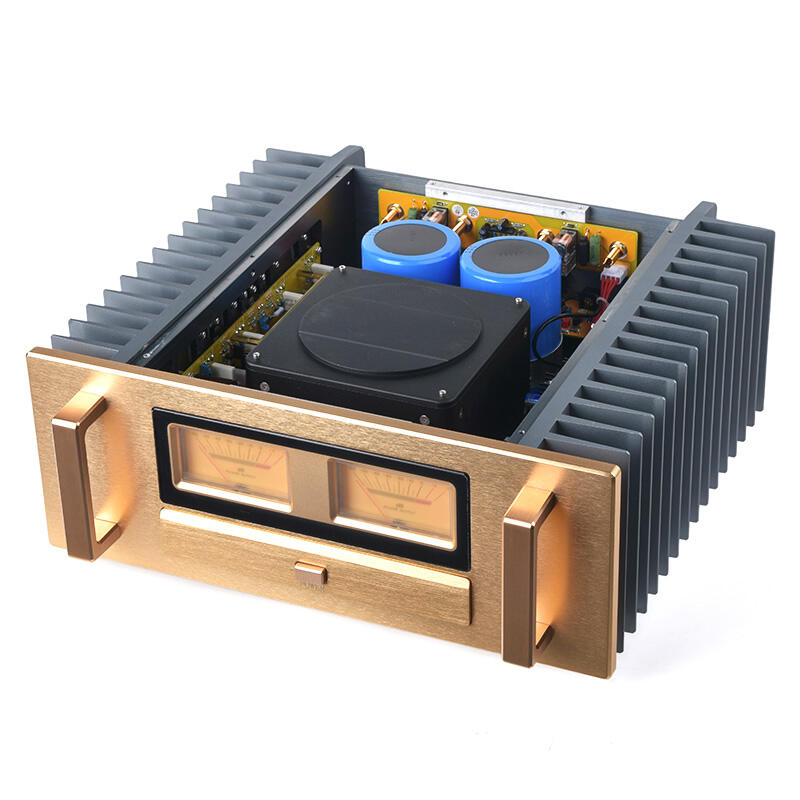
Finding the best budget headphone amp requires understanding which features deliver the most value for your investment. Audio enthusiasts often struggle to identify which specifications truly impact sound quality versus marketing buzzwords that inflate prices without meaningful benefits. The market offers countless options, but distinguishing between essential features and unnecessary bells and whistles can save both money and disappointment. When evaluating amplifiers in the budget category, focusing on core performance metrics ensures you get exceptional audio enhancement without overspending on premium features you may never utilize.
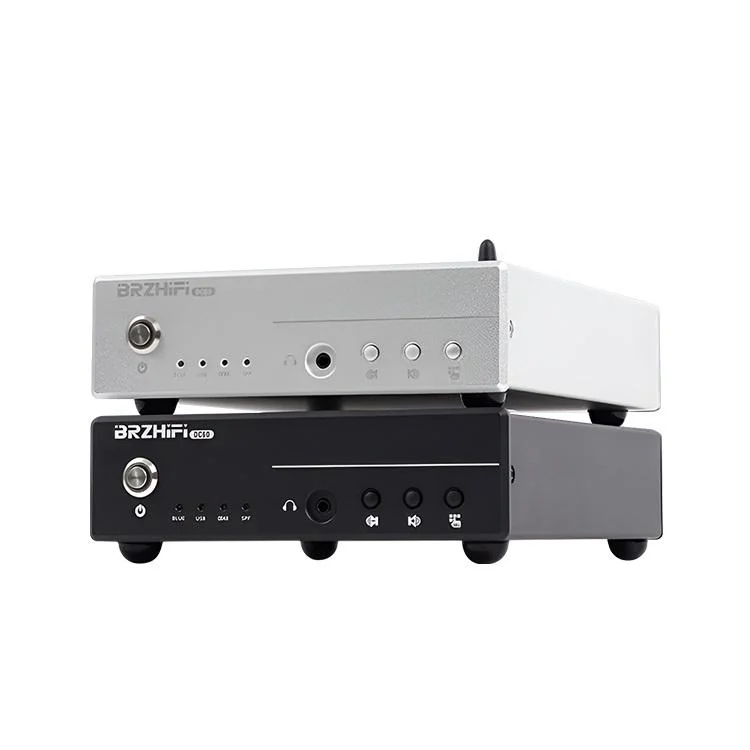
Power Output and Impedance Matching
Understanding Power Requirements
The power output specification determines whether your best budget headphone amp can adequately drive your specific headphones. Different headphone models require varying amounts of power to reach optimal listening levels and maintain clean sound reproduction. High-impedance headphones typically demand more power than low-impedance models, making this compatibility crucial for performance. Budget amplifiers often provide sufficient power for most consumer headphones, but understanding your headphone's power requirements prevents underpowered performance that results in weak bass response and compressed dynamics.
Most budget-conscious listeners use headphones with impedances between 32 and 250 ohms, which fall within the sweet spot for affordable amplification. The best budget headphone amp options typically provide between 100-500 milliwatts per channel, adequate for driving most popular headphone models to satisfying volumes. Manufacturers often specify power output at different impedance loads, allowing you to match the amplifier's capabilities with your headphone's specifications. This technical matching ensures optimal performance without requiring expensive high-power amplification that budget buyers want to avoid.
Impedance Compatibility Considerations
Impedance matching extends beyond simple power requirements to encompass frequency response consistency and distortion characteristics. When a best budget headphone amp properly matches your headphone's impedance, it maintains stable performance across the entire frequency spectrum. Mismatched impedance can result in frequency response irregularities, particularly in bass and treble regions where headphones are most sensitive to amplifier output impedance. Budget amplifiers with low output impedance, typically under 10 ohms, provide better compatibility across diverse headphone types.
The damping factor, calculated by dividing headphone impedance by amplifier output impedance, affects control over headphone drivers and overall sound quality. Higher damping factors generally provide tighter bass response and better transient handling, features that enhance the listening experience regardless of budget constraints. Understanding these relationships helps identify which budget amplifiers offer genuine performance advantages rather than superficial feature lists that don't impact actual audio quality.
Digital-to-Analog Conversion Quality
DAC Implementation and Performance
The digital-to-analog converter represents a critical component in modern headphone amplification systems, particularly for users connecting digital sources. The best budget headphone amp solutions increasingly integrate DAC functionality, eliminating the need for separate conversion devices while maintaining competitive audio quality. Contemporary DAC chips offer impressive performance at budget-friendly prices, making high-resolution audio accessible without premium equipment investments. These integrated solutions often provide multiple digital input options, including USB, optical, and coaxial connections for versatile source compatibility.
Sample rate support and bit depth capabilities determine the maximum resolution your amplifier can process from digital sources. Budget DAC implementations typically support up to 24-bit/192kHz resolution, exceeding most commercially available music formats and streaming service specifications. While higher specifications exist, they rarely provide audible improvements for most listeners and often increase costs unnecessarily. Focusing on proven DAC chip implementations rather than maximum specifications ensures reliable performance within budget constraints.
Digital Input Versatility
Multiple digital input options increase the versatility and long-term value of your best budget headphone amp investment. USB inputs provide convenient computer connectivity for digital music libraries and streaming services, while optical inputs accommodate CD players, gaming consoles, and television audio output. Coaxial digital inputs offer another connection option for source devices with this output format. Having diverse input options eliminates the need for additional conversion equipment and accommodates various source devices in your audio system.
Input switching capabilities allow seamless transitions between different source devices without cable swapping or external switching equipment. Some budget amplifiers include automatic input detection, simplifying operation for users with multiple connected sources. These convenience features enhance daily usability without significantly impacting the overall cost, making them valuable additions to consider when comparing options in the budget category.
Build Quality and Component Selection
Circuit Design and Layout
The internal circuit design significantly impacts the performance and longevity of any best budget headphone amp, regardless of price point. Well-designed budget amplifiers utilize proven circuit topologies that minimize noise and distortion while maximizing reliability. Class AB amplification remains popular in budget designs due to its balanced approach between efficiency and audio quality. Some manufacturers implement Class D designs for improved efficiency and reduced heat generation, though audio purists sometimes prefer traditional linear designs for their sonic characteristics.
Component quality within budget constraints requires careful selection and optimization by manufacturers. While premium components like high-grade capacitors and precision resistors increase costs, strategic implementation in critical circuit positions can significantly improve performance. The best budget headphone amp designs focus component upgrades on positions where they provide maximum audible benefit rather than upgrading every component regardless of impact. This targeted approach delivers impressive performance while maintaining affordable pricing for budget-conscious consumers.
Housing and Heat Management
The physical construction of budget headphone amplifiers affects both durability and thermal performance during extended listening sessions. Aluminum housings provide excellent heat dissipation while maintaining reasonable costs compared to exotic materials used in premium products. Proper ventilation design prevents excessive heat buildup that can degrade component performance and reduce operational lifespan. Many budget amplifiers incorporate passive cooling through strategic case design, eliminating fan noise while maintaining safe operating temperatures.
Internal layout optimization minimizes electromagnetic interference and crosstalk between channels, maintaining clean audio reproduction even in compact budget designs. Careful separation of digital and analog circuits prevents digital switching noise from contaminating analog audio signals. These design considerations distinguish well-engineered budget products from cheaply constructed alternatives that sacrifice performance for minimal cost savings. The best budget headphone amp options demonstrate that thoughtful engineering can deliver excellent results within financial constraints.
Connectivity and Practical Features
Input and Output Options
Comprehensive connectivity options increase the practical value and versatility of any best budget headphone amp by accommodating diverse source equipment and usage scenarios. Analog inputs, typically provided through RCA or 3.5mm connections, maintain compatibility with traditional audio sources like turntables, CD players, and portable devices. These inputs often include gain switching options that optimize signal levels for different source types, preventing overloading or insufficient signal strength that degrades audio quality.
Output configurations vary among budget amplifiers, with some providing multiple headphone outputs for shared listening experiences or A/B testing between different headphone models. Variable impedance outputs or switchable gain settings accommodate headphones with different sensitivity and impedance characteristics. Some models include line outputs for connecting powered speakers or additional amplification equipment, extending system capabilities beyond pure headphone amplification. These practical features enhance versatility without significantly increasing costs in well-designed budget products.
User Interface and Controls
Intuitive control interfaces improve daily usability and satisfaction with budget headphone amplification equipment. Volume controls should provide smooth, precise adjustment across the entire range without channel imbalance or scratchy operation. Many budget amplifiers use potentiometers rather than digital volume controls, maintaining signal purity while providing tactile feedback that many audiophiles prefer. Input selection switches should operate reliably with clear visual indication of the selected source.
Display systems in budget amplifiers typically focus on essential information like input selection, volume level, and signal presence indicators. While elaborate displays increase costs, basic LED indicators provide sufficient feedback for most users. Some models include remote control capability, convenient for desktop or entertainment center installations where the amplifier may not be within easy reach. These user-friendly features distinguish products designed for practical daily use from purely specification-focused alternatives.
Performance Measurement and Specifications
Audio Quality Metrics
Understanding key performance specifications helps identify which budget amplifiers deliver genuine audio quality improvements versus those with impressive specifications but mediocre real-world performance. Total harmonic distortion plus noise measurements indicate how cleanly the amplifier reproduces audio signals, with lower values generally indicating better performance. However, extremely low distortion specifications may not be audible and sometimes indicate measurement conditions that don't reflect typical usage scenarios. The best budget headphone amp options balance measurable performance with practical audibility considerations.
Signal-to-noise ratio specifications indicate how much background noise the amplifier adds to the audio signal, particularly important for sensitive headphones that can reveal amplifier noise floor. Dynamic range measurements show the amplifier's ability to reproduce both quiet and loud passages without compression or distortion. Frequency response specifications should demonstrate flat response across the audible spectrum, typically 20Hz to 20kHz, without significant peaks or dips that color the sound reproduction.
Real-World Performance Validation
Laboratory measurements provide useful comparisons between different amplifier designs, but subjective listening tests reveal how these specifications translate to actual music enjoyment. The best budget headphone amp models demonstrate consistent performance across various music genres and headphone types rather than optimizing for specific test conditions. Listening evaluations should include diverse musical content, from simple acoustic recordings to complex orchestral pieces with wide dynamic ranges.
Long-term reliability testing ensures that budget amplifiers maintain their performance specifications over extended periods of typical use. Temperature stability, component aging characteristics, and mechanical switch durability all affect the long-term value proposition of budget audio equipment. Manufacturers who provide meaningful warranty coverage demonstrate confidence in their product reliability, particularly important when purchasing budget equipment where replacement costs can be significant relative to the initial investment.
FAQ
What power output do I need from a budget headphone amplifier
The required power output depends primarily on your headphone's impedance and sensitivity specifications. Most consumer headphones with impedances between 32-300 ohms perform well with 100-300 milliwatts of clean power. High-impedance headphones like 600-ohm models may require 500+ milliwatts for optimal performance. The best budget headphone amp options typically provide adequate power for popular headphone models without excessive overhead that increases costs unnecessarily. Check your headphone specifications and match them with amplifier capabilities rather than simply seeking maximum power output.
Is a built-in DAC necessary in a budget headphone amplifier
A built-in DAC adds significant value for users connecting digital sources like computers, streaming devices, or digital audio players. Modern budget DAC implementations often exceed the quality of built-in computer sound cards or smartphone DACs, providing immediate audio improvements. However, if you already own a separate DAC or primarily use analog sources, an amplifier-only design may offer better value by focusing budget allocation on amplification quality rather than digital conversion features.
How important is impedance matching for headphone amplifiers
Proper impedance matching significantly affects audio quality, particularly frequency response consistency and bass control. The amplifier's output impedance should be less than one-eighth of your headphone's impedance for optimal matching. Most quality budget amplifiers maintain output impedances under 10 ohms, providing good compatibility with diverse headphone types. Poor impedance matching can result in frequency response irregularities and reduced damping factor, affecting bass tightness and overall sound quality regardless of amplifier power specifications.
What connectivity options should I prioritize in a budget amplifier
Essential connectivity includes the input types matching your source equipment and sufficient output options for your headphones. USB input provides computer connectivity, while analog inputs accommodate traditional sources. Multiple headphone outputs enable comparison testing or shared listening. The best budget headphone amp models balance comprehensive connectivity with cost control, focusing on inputs and outputs you will actually use rather than extensive connectivity that increases price without personal benefit. Consider your current and future source equipment when evaluating connectivity requirements.