
 EN
EN
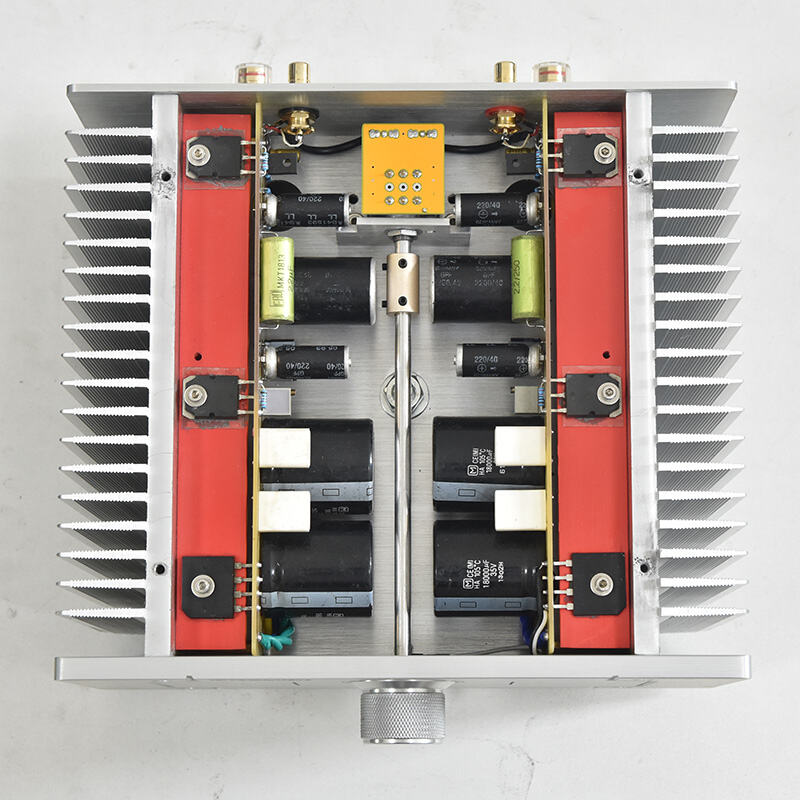
The resurgence of vinyl records and high-fidelity audio has sparked renewed interest in tube amplification technology. Audiophiles worldwide are rediscovering the warm, musical characteristics that vacuum tubes bring to their listening experience. When considering home audio setups, the question arises whether investing in the best tube headphone amplifier truly enhances the listening experience or merely adds unnecessary complexity to a modern audio chain.
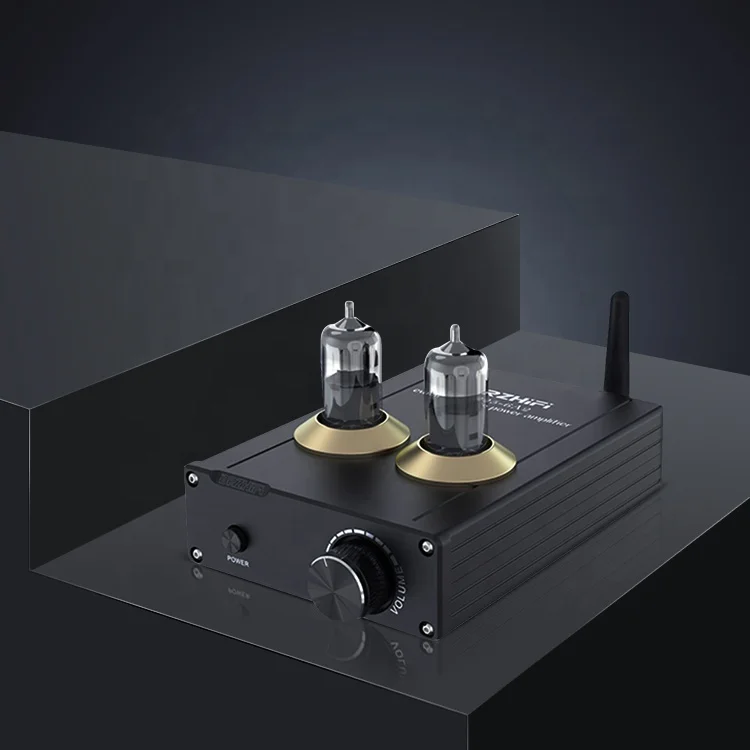
Understanding the practical benefits of tube amplification requires examining both the technical aspects and real-world applications in home environments. Modern tube headphone amplifiers combine vintage warmth with contemporary reliability, offering features that cater to today's discerning listeners. The technology behind these amplifiers has evolved significantly, addressing many of the maintenance concerns that previously deterred potential users from embracing tube-based audio systems.
Home listening environments present unique challenges and opportunities for tube amplifier implementation. Unlike professional studio settings, home users prioritize long-term reliability, aesthetic appeal, and ease of operation. The best tube headphone amplifier designs incorporate these considerations while maintaining the sonic characteristics that make tube amplification so appealing to audio enthusiasts seeking authentic musical reproduction.
Understanding Tube Amplifier Technology in Modern Context
Vacuum Tube Fundamentals and Audio Characteristics
Vacuum tubes operate on fundamentally different principles than solid-state components, creating unique harmonic distortion patterns that many listeners find musically pleasing. The electron flow through heated filaments generates subtle harmonic additions that can enhance perceived warmth and dimensionality in audio reproduction. When evaluating the best tube headphone amplifier options, understanding these technical foundations helps explain why tube technology remains relevant in modern high-fidelity systems.
The physical construction of vacuum tubes introduces natural compression characteristics that can smooth harsh digital sources while preserving musical detail. This compression effect occurs gradually as signal levels increase, unlike the hard clipping associated with solid-state amplifiers pushed beyond their limits. Modern tube designs leverage these characteristics while incorporating protective circuitry that ensures reliable operation in typical home environments.
Contemporary tube headphone amplifiers often feature hybrid designs that combine tube preamp stages with solid-state power sections. This approach maximizes the tonal benefits of tube amplification while providing the current delivery capabilities necessary for driving demanding headphone loads. The best tube headphone amplifier implementations balance these design considerations to deliver both sonic excellence and practical functionality.
Modern Manufacturing and Reliability Improvements
Today's tube manufacturing processes have advanced significantly compared to vintage production methods, resulting in more consistent and reliable vacuum tubes. Modern tube headphone amplifiers benefit from improved tube selection, matched pairs, and quality control procedures that extend operational life and reduce maintenance requirements. These improvements address historical concerns about tube reliability while preserving the sonic characteristics that define tube amplification.
Contemporary circuit designs incorporate protective features such as soft-start circuits, automatic bias adjustment, and thermal protection that enhance long-term reliability. The best tube headphone amplifier products include these features as standard equipment, reducing user maintenance requirements while ensuring consistent performance over extended periods. Advanced power supply designs also contribute to improved reliability by providing stable operating conditions for vacuum tubes.
Quality control in modern tube amplifier manufacturing includes extensive burn-in procedures and performance testing that identifies potential issues before products reach consumers. This attention to reliability makes tube headphone amplifiers much more practical for home use than historical examples, where frequent maintenance and tube replacement were common concerns for users.
Practical Considerations for Home Audio Systems
Integration with Digital Sources and Modern Equipment
Modern home audio systems typically incorporate digital sources such as streaming services, CD players, and computer-based audio systems. The best tube headphone amplifier designs include high-quality digital-to-analog converters and input flexibility that seamlessly integrates with contemporary source components. This integration capability ensures that tube amplifiers complement rather than complicate modern audio setups.
Many current tube headphone amplifiers feature multiple input options including USB, optical, and coaxial digital inputs alongside traditional analog connections. This versatility allows users to connect various digital sources while maintaining signal integrity throughout the audio chain. Advanced implementations include asynchronous USB reception and high-resolution digital audio support that matches the capabilities of premium digital sources.
The combination of tube amplification with high-quality digital conversion creates synergistic effects that can enhance the listening experience from digital sources. Tube circuits can add harmonic richness to digital audio while maintaining the precision and detail that characterize well-implemented digital playback systems. This compatibility makes tube headphone amplifiers practical additions to modern home audio systems rather than antiquated alternatives.
Power Consumption and Environmental Factors
Tube amplifiers generate more heat and consume more power than equivalent solid-state designs, considerations that matter in home environments where energy efficiency and thermal management affect comfort and operating costs. The best tube headphone amplifier products optimize power consumption while maintaining performance, often incorporating efficient power supply designs and automatic standby modes that reduce energy usage during idle periods.
Heat generation from tube amplifiers can be managed through proper ventilation and placement considerations in home listening rooms. Modern designs often include thermal management features such as ventilated chassis construction and strategic component placement that minimize heat buildup while ensuring adequate tube operating temperatures. Understanding these requirements helps users implement tube amplifiers successfully in various home environments.
Energy consumption patterns of tube headphone amplifiers vary significantly based on design implementation and usage patterns. Efficient designs minimize power consumption during low-level listening while providing adequate power reserves for demanding headphone loads. The practical impact of higher power consumption must be weighed against the sonic benefits that motivate tube amplifier selection in the first place.
Sound Quality Advantages in Home Listening Environments
Tonal Characteristics and Musical Presentation
The sonic signature of tube amplification includes enhanced midrange warmth, natural-sounding harmonic distortion, and spatial presentation that many listeners find engaging during extended home listening sessions. These characteristics become particularly apparent when comparing the best tube headphone amplifier products with solid-state alternatives using identical source material and headphones. The differences extend beyond simple tonal coloration to include aspects of musical flow and emotional engagement.
Tube amplifiers often excel at reproducing acoustic instruments and vocals with natural texture and dimensionality that can enhance the emotional connection between listener and music. This capability proves especially valuable in home listening environments where extended listening sessions and diverse musical genres are common. The gradual harmonic saturation that occurs in tube circuits can make compressed digital recordings more listenable while preserving the detail in high-quality recordings.
The spatial presentation characteristics of tube amplification can create a sense of three-dimensional soundstaging that enhances the listening experience with appropriate headphones. This effect results from the interaction between tube harmonics and the psychoacoustic processing of spatial cues by the human auditory system. Quality tube headphone amplifiers preserve these spatial characteristics while providing adequate power delivery for demanding headphone loads.
Compatibility with Various Headphone Types
Different headphone designs respond uniquely to tube amplification, with some models showcasing dramatic improvements while others show minimal differences compared to solid-state driving. The best tube headphone amplifier selections provide sufficient power and current delivery to drive various headphone impedances while maintaining the tonal characteristics that define tube sound reproduction.
High-impedance dynamic headphones often pair exceptionally well with tube amplifiers, as the high output impedance of many tube designs complements the electrical characteristics of these transducers. Planar magnetic headphones may require more careful amplifier selection, as their demanding power requirements can stress tube output stages beyond their optimal operating range. Understanding these compatibility factors helps users select appropriate tube amplifier and headphone combinations.
Electrostatic headphones present unique challenges for tube amplifier implementation, typically requiring specialized high-voltage output stages that differ significantly from conventional tube headphone amplifier designs. However, when properly implemented, tube-driven electrostatic systems can deliver exceptional sonic performance that justifies the additional complexity and cost involved in these specialized applications.
Economic and Practical Value Assessment
Initial Investment and Long-term Ownership Costs
The initial cost of acquiring the best tube headphone amplifier typically exceeds equivalent solid-state alternatives, but this investment must be evaluated in the context of long-term ownership and the unique sonic benefits provided. Quality tube amplifiers often retain their value better than solid-state equipment, and their modular nature allows for upgrades and modifications that can extend their useful life significantly.
Ongoing operational costs include periodic tube replacement, which varies depending on usage patterns and tube quality. Modern tubes offer extended operational life compared to vintage examples, with typical replacement intervals measured in years rather than months for moderate use patterns. The best tube headphone amplifier products often include tube monitoring features that indicate when replacement becomes necessary, eliminating guesswork from maintenance procedures.
The educational value of tube amplifier ownership extends beyond simple audio reproduction to include understanding of electronic principles and audio system optimization. This learning aspect provides intangible value that many enthusiasts find rewarding, transforming audio reproduction from passive consumption to active engagement with the technology and music.
Market Availability and Support Infrastructure
The current market for tube headphone amplifiers includes options ranging from budget-friendly designs to premium products that compete with the finest audio equipment available. This diversity ensures that interested users can find appropriate products regardless of budget constraints or performance requirements. The best tube headphone amplifier products often come from manufacturers with established support networks and parts availability that ensure long-term serviceability.
Replacement tube availability has improved significantly as renewed interest in tube audio has encouraged manufacturers to resume production of popular tube types. This trend ensures that current tube amplifier investments remain viable for years to come, unlike the situation that existed during the early solid-state era when tube availability was uncertain.
Technical support and modification services for tube amplifiers remain widely available through specialized shops and online communities. This support infrastructure makes tube amplifier ownership more practical for users who prefer professional maintenance over do-it-yourself approaches. The knowledge base surrounding tube amplifier operation and optimization continues to expand as more users embrace this technology.
FAQ
How long do tubes last in a headphone amplifier with regular use
Modern tubes in quality headphone amplifiers typically last between 2,000 to 10,000 hours depending on the tube type and operating conditions. Small signal tubes used in preamp stages generally last longer than power tubes, and proper operating temperatures extend tube life significantly. The best tube headphone amplifier designs include features that optimize tube operating conditions and provide indicators when replacement becomes necessary.
Can tube headphone amplifiers damage sensitive headphones
Well-designed tube headphone amplifiers include protection circuitry that prevents damage to connected headphones under normal operating conditions. However, tube amplifiers can produce higher output impedances than solid-state designs, which may affect frequency response with some headphone models. Users should verify impedance compatibility and avoid connecting extremely low-impedance headphones to high-impedance tube outputs without appropriate matching.
Do tube headphone amplifiers require special maintenance procedures
Modern tube headphone amplifiers require minimal maintenance beyond periodic tube replacement and basic cleaning. Unlike vintage equipment, contemporary designs incorporate automatic bias adjustment and protective circuits that eliminate most manual adjustments. Users should ensure adequate ventilation around the amplifier and avoid moving the unit while tubes are hot to prevent damage to the vacuum tube elements.
Are tube headphone amplifiers suitable for all music genres
Tube headphone amplifiers excel with acoustic music, jazz, classical, and vocal recordings where their harmonic characteristics enhance musical authenticity. Electronic music, heavy metal, and other genres that rely on precise transient response may benefit more from solid-state amplification, though personal preference plays a significant role in this determination. The best tube headphone amplifier products offer sufficient bandwidth and dynamic range to handle diverse musical content effectively.