
 EN
EN
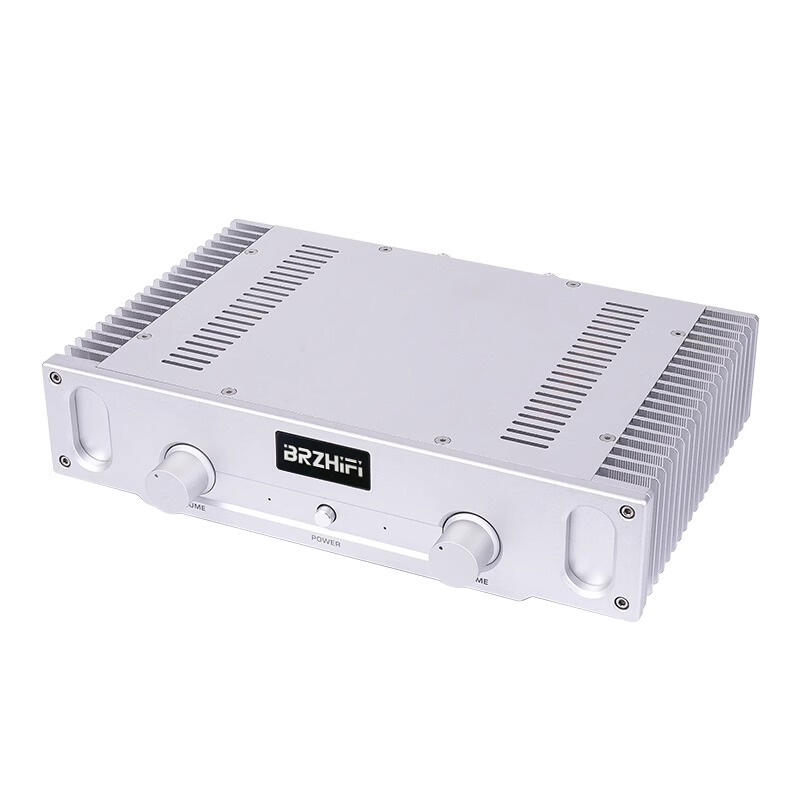
Audiophiles and music enthusiasts continuously seek the ultimate listening experience, often turning to high-end amplification solutions that deliver uncompromising sound quality. When examining premium audio equipment, the quest for the best class a amplifier represents a journey toward sonic perfection that demands careful consideration of multiple technical and subjective factors. Class A amplifiers have earned their reputation through decades of proven performance in delivering the most accurate and musical reproduction possible. Understanding what defines exceptional Class A amplification requires exploring the intricate relationship between engineering excellence, component quality, and the resulting auditory experience.
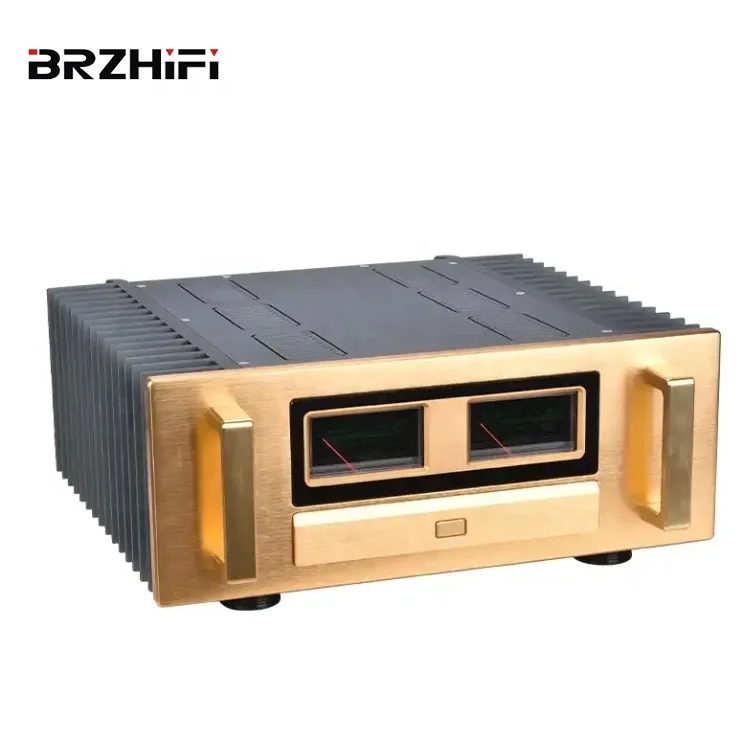
Technical Foundation of Superior Class A Design
Circuit Topology and Signal Path Integrity
The fundamental architecture of any best class a amplifier begins with its circuit topology, which determines how audio signals traverse from input to output stages. Premium Class A designs prioritize the shortest possible signal path, minimizing the number of components that audio signals must navigate. This approach reduces potential distortion points and maintains signal purity throughout the amplification process. Advanced topology implementations often feature discrete component designs rather than integrated circuits, allowing for precise component matching and optimal performance characteristics.
Signal path integrity extends beyond mere component count to encompass the quality of connections, trace layouts, and electromagnetic interference considerations. The best class a amplifier designs incorporate sophisticated grounding schemes that eliminate noise contamination while maintaining stable reference points for all circuit elements. These technical considerations directly translate into improved soundstage definition, reduced background noise, and enhanced dynamic range capabilities that distinguish premium amplifiers from mainstream alternatives.
Power Supply Architecture and Regulation
Power supply design represents perhaps the most critical aspect of Class A amplifier performance, as these circuits demand substantial current delivery capabilities while maintaining exceptional voltage regulation. Superior designs incorporate oversized transformers, high-capacity filter banks, and sophisticated regulation circuits that ensure consistent power delivery regardless of dynamic musical content. The best class a amplifier implementations often feature dual-mono power supply configurations, providing complete channel separation and eliminating cross-talk possibilities.
Advanced power supply architectures also address thermal management concerns inherent in Class A operation. These designs incorporate intelligent thermal regulation systems that maintain optimal operating temperatures while preserving the pure Class A bias conditions that define this amplification approach. Proper power supply implementation directly influences bass response authority, dynamic headroom, and the amplifier's ability to drive challenging speaker loads without compromising sonic integrity.
Component Selection and Build Quality Standards
Premium Component Integration
The selection of individual components within a Class A amplifier significantly impacts overall performance characteristics and long-term reliability. Premium manufacturers prioritize components that exhibit exceptional linearity, low noise characteristics, and stable operation across wide temperature ranges. Resistors, capacitors, and semiconductors undergo rigorous selection processes to ensure optimal matching and consistent performance standards that justify the best class a amplifier designation.
Component quality extends to mechanical elements including chassis construction, connector quality, and internal wiring specifications. High-grade materials such as oxygen-free copper wiring, gold-plated connections, and precision-machined aluminum chassis contribute to both electrical performance and long-term durability. These seemingly minor details accumulate to create amplifiers that maintain their performance characteristics over decades of operation while providing the robust construction quality expected in premium audio equipment.
Manufacturing Precision and Quality Control
Manufacturing processes for premium Class A amplifiers typically involve hand-selected components, precision assembly techniques, and extensive quality control procedures that ensure consistent performance across production units. The best class a amplifier designs undergo individual testing and calibration procedures that verify performance specifications before leaving the manufacturing facility. This attention to detail ensures that each unit meets the exacting standards required for high-end audio applications.
Quality control procedures extend beyond basic functionality testing to include comprehensive burn-in periods, thermal cycling tests, and long-term stability verification. These procedures identify potential reliability issues before products reach consumers while ensuring that performance characteristics remain stable throughout the amplifier's operational lifetime. Such manufacturing rigor distinguishes premium amplifiers from mass-produced alternatives and justifies the investment required for true high-end audio reproduction.
Sonic Characteristics and Performance Attributes
Harmonic Content and Distortion Characteristics
Class A amplifiers exhibit unique harmonic characteristics that contribute significantly to their reputation for musical reproduction quality. Unlike other amplification classes that introduce crossover distortion and switching artifacts, the best class a amplifier designs maintain continuous conduction throughout the entire signal cycle. This operation mode produces predominantly second-order harmonics that enhance musical richness without introducing harsh or fatiguing sonic characteristics.
The harmonic structure produced by quality Class A designs tends to complement natural musical content rather than obscuring subtle details or introducing artificial coloration. These amplifiers typically exhibit extremely low levels of odd-order harmonics, which are generally perceived as harsh or unpleasant, while maintaining just enough second-order content to provide warmth and musicality. This harmonic balance creates the engaging listening experience that distinguishes the best class a amplifier options from other amplification approaches.
Dynamic Response and Transient Handling
Superior Class A amplifiers demonstrate exceptional dynamic response capabilities that accurately reproduce the wide range of musical dynamics present in quality recordings. The continuous bias operation eliminates the switching delays and thermal modulation effects that can compromise transient response in other amplifier classes. This characteristic enables the best class a amplifier designs to reproduce sharp transients, delicate decay patterns, and complex dynamic structures with remarkable accuracy and naturalness.
Transient handling capabilities directly influence the amplifier's ability to convey spatial information, instrumental separation, and the overall sense of musical timing that creates engaging listening experiences. Premium Class A designs maintain consistent gain characteristics across the entire audio spectrum while providing sufficient current delivery capabilities to handle demanding musical passages without compression or distortion. These attributes contribute to the three-dimensional soundstage presentation and realistic instrumental positioning that define high-end audio reproduction.
Practical Considerations for System Integration
Speaker Compatibility and Load Handling
Successful integration of Class A amplifiers requires careful consideration of speaker compatibility factors including impedance characteristics, sensitivity ratings, and power handling capabilities. The best class a amplifier designs typically excel with high-quality speakers that can resolve the subtle sonic improvements these amplifiers provide. However, speaker selection must account for the amplifier's power output limitations and current delivery capabilities to ensure optimal performance in the intended listening environment.
Load stability represents another crucial factor when selecting speakers for Class A amplifier systems. Premium amplifiers typically handle reactive loads and impedance variations more gracefully than mainstream alternatives, but careful matching still ensures optimal performance. The best class a amplifier implementations often include sophisticated output stages designed to maintain stability with a wide range of speaker types while preserving their characteristic sonic signature regardless of the connected load.
Thermal Management and Operating Environment
Class A amplifiers generate substantial heat during normal operation, requiring careful attention to thermal management and ventilation requirements. Premium designs incorporate sophisticated cooling systems including heat sinks, thermal regulation circuits, and ventilation strategies that maintain optimal operating temperatures while preserving performance characteristics. The best class a amplifier installations require adequate ventilation space and may benefit from supplemental cooling in challenging environments.
Operating environment considerations extend beyond temperature control to include vibration isolation, electromagnetic interference mitigation, and power supply quality factors. These amplifiers often perform best when isolated from external vibrations and provided with clean, stable AC power. Proper system setup maximizes the performance potential of premium Class A amplifiers while ensuring long-term reliability and consistent operation throughout their service life.
Market Positioning and Value Assessment
Performance Benchmarking and Comparative Analysis
Evaluating the best class a amplifier options requires understanding how these products position themselves within the broader high-end audio market. Premium Class A designs typically command significant price premiums over other amplification approaches, but they justify this positioning through measurable performance advantages and subjective listening improvements. Comparative analysis must consider factors including power output capabilities, distortion specifications, build quality standards, and long-term value retention characteristics.
Performance benchmarking involves both objective measurements and subjective listening evaluations that assess how effectively amplifiers translate technical specifications into meaningful sonic improvements. The best class a amplifier designs consistently demonstrate superior performance in critical areas including noise floor characteristics, dynamic range capabilities, and harmonic distortion profiles. These measurable advantages correlate with subjective improvements in musicality, spatial presentation, and overall listening engagement that justify the investment required for premium amplification.
Long-Term Ownership and Investment Considerations
Premium Class A amplifiers typically represent significant long-term investments that provide decades of reliable service when properly maintained and operated. The best class a amplifier designs often appreciate in value over time, particularly models from respected manufacturers with proven track records for quality and reliability. This value retention characteristic, combined with exceptional build quality and timeless aesthetic design, makes premium Class A amplifiers attractive options for serious audiophiles seeking long-term satisfaction.
Investment considerations must account for factors including manufacturer support availability, component serviceability, and upgrade potential that influence long-term ownership satisfaction. Premium manufacturers typically provide comprehensive service support, replacement component availability, and upgrade options that extend product lifespans well beyond typical consumer electronics. These factors contribute to the overall value proposition of the best class a amplifier options and support their positioning as long-term investments in superior audio reproduction.
FAQ
What makes Class A amplifiers superior to other amplification types
Class A amplifiers maintain continuous current flow through their output devices throughout the entire signal cycle, eliminating crossover distortion and switching artifacts present in other amplification classes. This operating mode produces the lowest distortion levels and most natural harmonic characteristics possible, resulting in superior musicality and listening engagement. The best class a amplifier designs leverage these inherent advantages to deliver uncompromising sound quality that justifies their premium positioning in the high-end audio market.
How much power do Class A amplifiers typically provide
Class A amplifiers generally provide lower power output compared to other amplification types due to their continuous bias operation and thermal constraints. Most premium designs deliver between 25 to 100 watts per channel, though some high-end models may provide more power through sophisticated thermal management systems. The best class a amplifier options compensate for modest power ratings through superior current delivery capabilities and excellent dynamic characteristics that enable them to drive demanding speakers effectively.
What are the main drawbacks of Class A amplification
The primary drawbacks of Class A amplifiers include substantial heat generation, high power consumption, and typically higher costs compared to other amplification approaches. These amplifiers consume significant electricity even when idle and require adequate ventilation to maintain optimal operating temperatures. However, the best class a amplifier designs address these limitations through advanced thermal management systems and efficient circuit topologies that minimize operational drawbacks while preserving their sonic advantages.
How do I choose the right Class A amplifier for my system
Selecting the optimal Class A amplifier requires considering factors including speaker compatibility, power requirements, listening room characteristics, and personal sonic preferences. The best class a amplifier choice depends on matching the amplifier's output capabilities with your speakers' requirements while ensuring adequate power delivery for your typical listening levels. Additional considerations include build quality, manufacturer reputation, service support availability, and long-term value retention that influence overall ownership satisfaction and system performance.