
 EN
EN
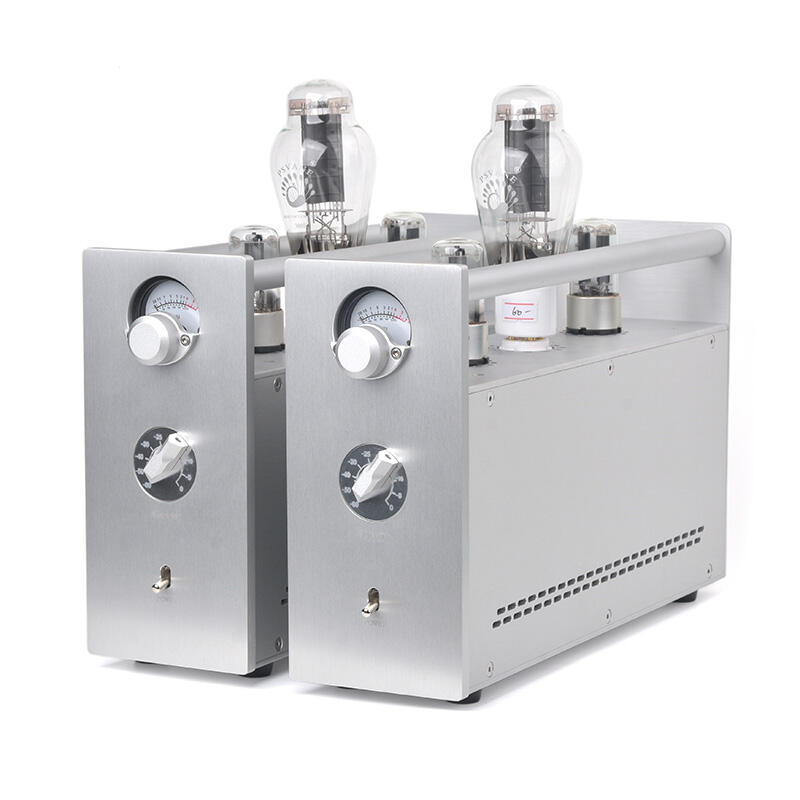
Modern audio systems rely heavily on sophisticated components that work together to deliver pristine sound quality. At the heart of any professional audio chain lies the digital signal amplifier, a critical component that transforms low-level audio signals into powerful outputs capable of driving speakers and headphones. Understanding how these amplifiers function within the broader context of audio reproduction is essential for anyone seeking to build high-performance audio systems. The digital signal amplifier has revolutionized the audio industry by offering superior efficiency, reduced distortion, and enhanced control over signal processing compared to traditional analog alternatives.
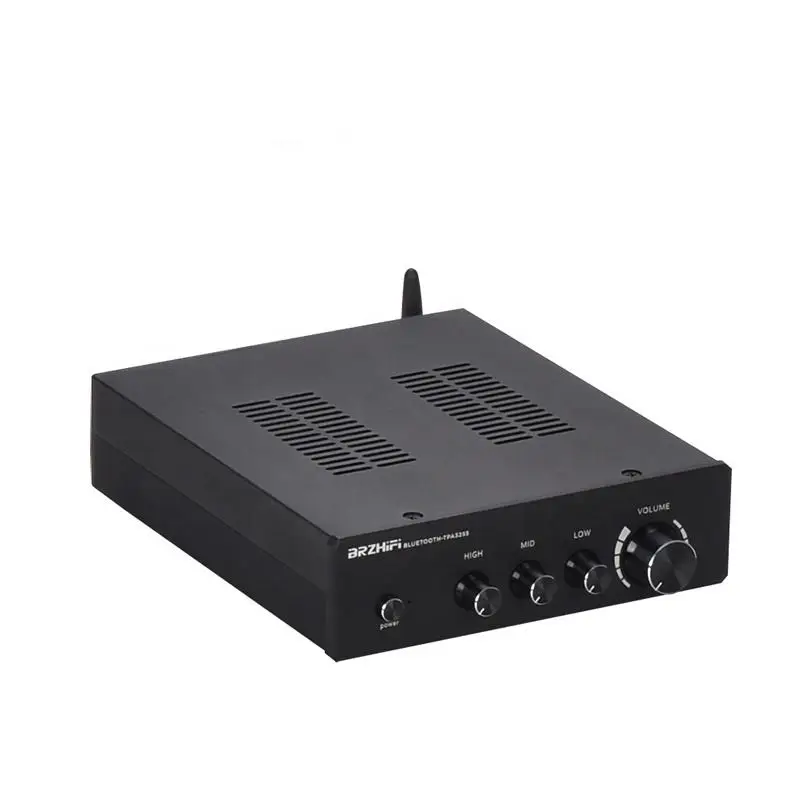
The integration of digital technology into amplification circuits has fundamentally changed how audio signals are processed and amplified. Unlike conventional analog amplifiers that operate entirely in the analog domain, a digital signal amplifier processes audio signals using digital signal processing techniques before converting them back to analog for speaker output. This approach enables precise control over various audio parameters, including equalization, crossover filtering, and dynamic range processing. The result is a more versatile and efficient amplification system that can adapt to different acoustic environments and listening preferences.
Digital Signal Processing Architecture
Core Processing Components
The foundation of any digital signal amplifier lies in its sophisticated processing architecture. At the input stage, analog audio signals are converted to digital format using high-resolution analog-to-digital converters. These converters typically operate at sampling rates of 48kHz or higher, with bit depths ranging from 16 to 32 bits, ensuring that the original audio information is preserved with exceptional fidelity. The digital signal amplifier then processes these digital audio streams using powerful digital signal processors that can perform complex mathematical operations in real-time.
Within the processing core, multiple algorithms work simultaneously to enhance and optimize the audio signal. These include digital filters for frequency response shaping, dynamic range compressors for consistent output levels, and crossover networks for multi-way speaker systems. The digital signal amplifier can store and recall multiple processing presets, allowing users to quickly switch between different audio configurations. Advanced models incorporate room correction algorithms that automatically adjust the frequency response based on acoustic measurements of the listening environment.
Signal Path Optimization
The signal path within a digital signal amplifier is carefully designed to minimize noise and distortion while maximizing dynamic range. High-quality digital-to-analog converters at the output stage ensure that the processed digital signals are converted back to analog with minimal artifacts. These converters often employ delta-sigma modulation techniques that achieve excellent signal-to-noise ratios and low harmonic distortion. The analog output stages are typically designed using Class D topology, which offers high efficiency and low heat generation.
Signal path optimization extends beyond the electronic components to include careful PCB layout and shielding techniques. The digital signal amplifier incorporates separate power supplies for analog and digital sections to prevent interference between different circuit blocks. Advanced models feature galvanic isolation between input and output stages, further reducing the possibility of ground loops and electromagnetic interference. This attention to signal integrity ensures that the digital signal amplifier delivers clean, undistorted audio output across the entire frequency spectrum.
Amplification Technologies and Class D Implementation
Switching Amplifier Principles
Modern digital signal amplifier designs predominantly utilize Class D switching amplification technology, which offers significant advantages over traditional linear amplification methods. Class D amplifiers operate by converting the analog audio signal into a high-frequency pulse-width modulated signal that switches the output transistors fully on or off. This switching operation eliminates the linear region where traditional amplifiers dissipate significant power as heat, resulting in efficiency levels that often exceed 90 percent in a well-designed digital signal amplifier.
The pulse-width modulation process in a digital signal amplifier involves comparing the audio signal with a high-frequency triangle wave, typically operating between 300kHz and 1MHz. When the audio signal exceeds the triangle wave amplitude, the output switches high, and when it falls below, the output switches low. The duty cycle of these pulses directly corresponds to the instantaneous amplitude of the audio signal. This technique allows the digital signal amplifier to accurately reproduce audio signals while maintaining high efficiency and low heat generation.
Output Stage Design and Filtering
The output stage of a digital signal amplifier requires careful design to convert the high-frequency switching signals back into smooth audio waveforms. Low-pass filtering is essential to remove the high-frequency switching components while preserving the audio content. These output filters typically consist of inductors and capacitors arranged in Butterworth or Bessel configurations that provide steep roll-off characteristics above the audio frequency range. The filter design must balance the need for effective switching frequency suppression with minimal impact on audio quality.
Advanced digital signal amplifier designs incorporate feedback mechanisms that monitor the output signal and adjust the pulse-width modulation accordingly. This feedback loop helps maintain linearity and reduces distortion, particularly at high output levels. Some implementations use global feedback that encompasses both the switching stage and output filter, while others employ local feedback around individual circuit blocks. The choice of feedback topology significantly influences the performance characteristics of the digital signal amplifier, affecting parameters such as damping factor, frequency response, and transient response.
Integration with Audio Systems
Input Connectivity and Protocol Support
A comprehensive digital signal amplifier must accommodate various input sources and connection methods to integrate seamlessly into modern audio systems. Digital inputs commonly include USB, optical TOSLINK, coaxial S/PDIF, and AES/EBU connections, each supporting different sample rates and bit depths. USB inputs often provide the highest flexibility, supporting PCM formats up to 32-bit/384kHz and DSD streams for high-resolution audio playback. The digital signal amplifier must incorporate robust clock recovery circuits to minimize jitter and ensure accurate digital-to-analog conversion.
Analog inputs remain important for connecting legacy sources and devices without digital outputs. High-quality analog-to-digital converters in the digital signal amplifier ensure that these signals are digitized with minimal degradation before entering the digital processing chain. Balanced XLR and unbalanced RCA inputs provide flexibility for professional and consumer applications. Some digital signal amplifier models include phono inputs with RIAA equalization for direct turntable connection, expanding their versatility in complete audio systems.
Network Integration and Remote Control
Modern digital signal amplifier designs increasingly incorporate network connectivity for remote monitoring and control. Ethernet and Wi-Fi connections enable integration with home automation systems and allow remote adjustment of processing parameters through smartphone applications or web browsers. This connectivity also enables firmware updates that can add new features or improve performance over the product lifecycle. The digital signal amplifier can be configured and monitored from anywhere in the home network, providing unprecedented convenience for system optimization.
Network-enabled digital signal amplifier systems can stream audio directly from network-attached storage devices, internet radio services, and music streaming platforms. Built-in streaming capabilities eliminate the need for separate source components in many applications. Advanced models support high-resolution streaming protocols such as UPnP and DLNA, ensuring compatibility with a wide range of network audio sources. The digital signal amplifier becomes the central hub of a modern audio system, combining amplification, processing, and source selection in a single component.
Performance Characteristics and Measurements
Distortion Analysis and Dynamic Range
The performance of a digital signal amplifier is evaluated using multiple technical parameters that quantify its ability to accurately reproduce audio signals. Total harmonic distortion plus noise measures the unwanted artifacts introduced by the amplification process, with high-quality units achieving THD+N figures below 0.01 percent across the audio frequency range. Intermodulation distortion testing reveals how well the digital signal amplifier handles complex musical signals containing multiple simultaneous tones, which is crucial for realistic reproduction of orchestral and ensemble recordings.
Dynamic range specifications indicate the difference between the maximum undistorted output level and the noise floor of the digital signal amplifier. Professional-grade units typically achieve dynamic ranges exceeding 120dB, allowing them to reproduce the full dynamic range of high-resolution audio recordings without compression or noise artifacts. Signal-to-noise ratio measurements complement dynamic range specifications by quantifying the amplifier's noise performance relative to a standardized input signal level. These measurements help determine the suitability of a digital signal amplifier for critical listening applications.
Frequency Response and Transient Behavior
Frequency response measurements reveal how uniformly a digital signal amplifier reproduces different frequencies across the audible spectrum. High-quality units maintain flat response within ±0.1dB from 20Hz to 20kHz, ensuring accurate tonal balance. The response characteristics can extend well beyond the audible range, with some digital signal amplifier designs maintaining flat response to 100kHz or higher. This extended bandwidth contributes to accurate reproduction of transient signals and helps preserve the natural attack and decay characteristics of musical instruments.
Transient response testing evaluates how quickly and accurately the digital signal amplifier responds to sudden changes in input signal level. Rise time and settling time measurements indicate the amplifier's ability to reproduce sharp transients without overshoot or ringing. The digital signal amplifier must balance fast transient response with stability, as excessive bandwidth can lead to oscillation or noise issues. Proper design ensures that the amplifier responds quickly enough to preserve musical detail while maintaining stability under all operating conditions.
Power Management and Thermal Design
Efficiency Optimization Strategies
The high efficiency of Class D amplification technology makes digital signal amplifier designs particularly suitable for applications where power consumption and heat generation must be minimized. Efficiency levels typically range from 85 to 95 percent, depending on output power level and load impedance. This efficiency advantage becomes more pronounced at higher output levels, where traditional linear amplifiers would dissipate substantial power as heat. The digital signal amplifier can deliver high power output while consuming minimal AC power from the electrical supply.
Power supply design plays a crucial role in overall efficiency and performance of the digital signal amplifier. Switch-mode power supplies offer high efficiency and compact size, making them ideal for integrated amplifier designs. These power supplies can dynamically adjust their output voltage based on signal requirements, further improving efficiency during low-level listening. Some digital signal amplifier designs incorporate power factor correction to minimize reactive power consumption and comply with electrical regulations in commercial installations.
Thermal Management Solutions
Despite their high efficiency, digital signal amplifier designs still require effective thermal management to ensure reliable operation and long-term durability. Heat sinks and thermal interface materials help conduct heat away from critical components, particularly the output stage switching devices and power supply components. Advanced designs incorporate temperature monitoring that can reduce output power or activate additional cooling if operating temperatures exceed safe limits.
Convection cooling is often sufficient for moderate power digital signal amplifier applications, eliminating the noise and complexity associated with forced-air cooling systems. The compact size and efficient operation of digital signal amplifier technology enables fanless operation in many applications, contributing to a quieter listening environment. Some high-power designs incorporate intelligent fan control that activates cooling only when necessary, balancing thermal performance with acoustic considerations.
FAQ
What advantages does a digital signal amplifier offer over traditional analog amplifiers
A digital signal amplifier provides several key advantages including significantly higher efficiency (typically 85-95% versus 60-70% for analog designs), reduced heat generation, more compact size, and the ability to incorporate digital signal processing features like equalization and room correction. The digital approach also enables precise control over audio parameters and allows for remote monitoring and adjustment through network connectivity. Additionally, digital signal amplifiers often exhibit lower distortion and better stability across varying load conditions compared to traditional analog designs.
Can a digital signal amplifier maintain audio quality when processing high-resolution audio files
Yes, modern digital signal amplifier designs are specifically engineered to handle high-resolution audio formats including 24-bit/192kHz PCM and DSD streams. The key is using high-quality analog-to-digital and digital-to-analog converters with appropriate oversampling and filtering techniques. Professional-grade digital signal amplifiers typically support sample rates up to 384kHz and maintain signal integrity through careful attention to clock precision, jitter reduction, and signal path optimization. The digital processing capabilities can actually enhance audio quality by enabling precise correction of room acoustics and speaker characteristics.
How does the switching frequency in a digital signal amplifier affect audio performance
The switching frequency in a digital signal amplifier directly impacts both audio performance and efficiency. Higher switching frequencies (typically 400kHz to 1MHz) enable more accurate reproduction of high-frequency audio content and require less aggressive output filtering, which can improve phase response and transient behavior. However, higher switching frequencies also increase switching losses and electromagnetic interference. The optimal switching frequency represents a balance between audio quality, efficiency, and electromagnetic compatibility requirements. Most professional digital signal amplifiers use switching frequencies between 400-600kHz to achieve the best compromise.
What maintenance requirements should be considered for digital signal amplifier installations
Digital signal amplifier systems require minimal maintenance due to their solid-state design and high reliability. Regular maintenance should include cleaning air vents and heat sinks to ensure proper thermal management, checking connection integrity, and updating firmware when new versions become available. Unlike tube amplifiers, there are no consumable components that require regular replacement. However, it's important to monitor operating temperatures and ensure adequate ventilation, particularly in rack-mounted installations. Professional installations may benefit from periodic performance verification using audio test equipment to ensure specifications remain within acceptable limits.
Table of Contents
- Digital Signal Processing Architecture
- Amplification Technologies and Class D Implementation
- Integration with Audio Systems
- Performance Characteristics and Measurements
- Power Management and Thermal Design
-
FAQ
- What advantages does a digital signal amplifier offer over traditional analog amplifiers
- Can a digital signal amplifier maintain audio quality when processing high-resolution audio files
- How does the switching frequency in a digital signal amplifier affect audio performance
- What maintenance requirements should be considered for digital signal amplifier installations