
 EN
EN
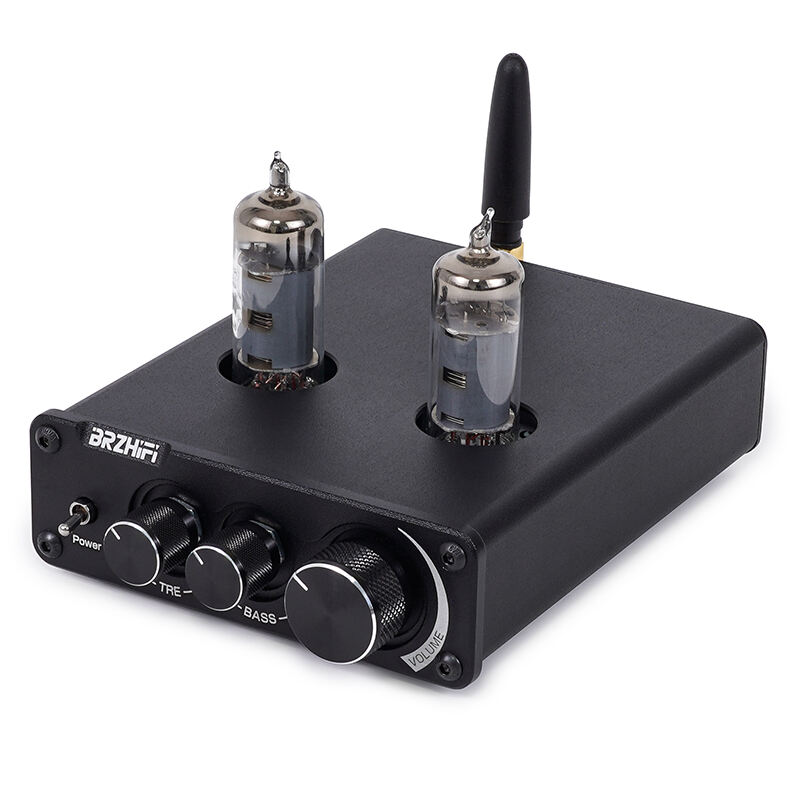
In the modern audio landscape, maintaining pristine signal quality across various playback systems presents significant challenges for both professional engineers and audio enthusiasts. A digital signal amplifier represents a revolutionary approach to preserving audio integrity while delivering powerful amplification capabilities. These sophisticated devices utilize advanced digital processing technologies to ensure that audio signals remain stable and distortion-free throughout the amplification process. Unlike traditional analog amplifiers that can introduce noise and signal degradation, digital signal amplifiers maintain mathematical precision in signal reproduction, making them essential components in high-fidelity audio systems.
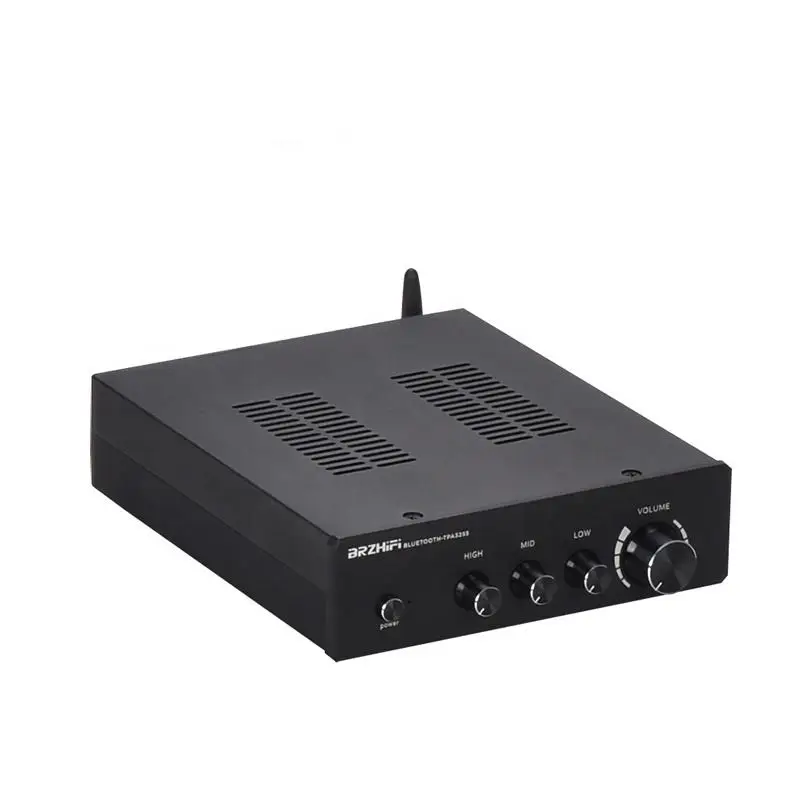
Understanding Digital Signal Processing Technology
Core Processing Architecture
The foundation of any digital signal amplifier lies in its sophisticated processing architecture that converts analog audio signals into digital data streams. This conversion process involves high-resolution analog-to-digital converters that sample incoming audio at rates exceeding 96 kHz, ensuring that even the most subtle musical nuances are captured accurately. The digital processing unit then applies mathematical algorithms to enhance signal stability while preparing the audio data for amplification. This architecture eliminates many of the inherent limitations found in traditional analog circuits, such as thermal drift and component aging effects.
Modern digital signal amplifier designs incorporate advanced error correction mechanisms that continuously monitor signal integrity throughout the processing chain. These systems can detect and compensate for various forms of signal degradation before they become audible distortions. The processing algorithms work in real-time, making thousands of calculations per second to maintain optimal signal characteristics. This level of precision ensures that the output signal maintains the same harmonic content and dynamic range as the original source material.
Signal Path Optimization
The signal path within a digital signal amplifier follows a carefully engineered route designed to minimize noise introduction and maximize signal clarity. Each stage of processing is optimized to handle specific aspects of signal conditioning, from initial digitization through final output conversion. The digital domain processing allows for sophisticated filtering and equalization that would be impossible to achieve with analog circuitry alone. These capabilities enable the amplifier to adapt to different source materials and output requirements while maintaining consistent performance characteristics.
Signal path optimization also includes advanced timing control mechanisms that eliminate jitter and other temporal distortions that can compromise audio quality. The digital processing engine maintains precise clock synchronization across all processing stages, ensuring that audio samples are processed and converted at exactly the right moments. This timing precision is crucial for maintaining stereo imaging and soundstage accuracy in multichannel audio applications.
Stability Enhancement Mechanisms
Thermal Management Systems
One of the primary advantages of a digital signal amplifier is its superior thermal stability compared to traditional analog designs. Digital processing circuits generate less heat than their analog counterparts, and the heat that is produced can be managed more effectively through intelligent thermal control systems. These systems monitor component temperatures continuously and adjust processing parameters to maintain optimal operating conditions. The result is consistent performance regardless of ambient temperature variations or extended operating periods.
Advanced thermal management in digital signal amplifiers includes sophisticated heat sink designs and active cooling systems that respond dynamically to processing demands. When the amplifier is handling complex, high-dynamic-range audio signals, the cooling system automatically increases its activity to maintain stable operating temperatures. This proactive approach prevents thermal-induced distortion and ensures that the amplifier maintains its specified performance characteristics throughout its operational range.
Power Supply Stability
The power supply architecture in a high-quality digital signal amplifier employs multiple regulation stages to ensure clean, stable power delivery to all processing circuits. Digital processing requires extremely stable voltage references to maintain accuracy in analog-to-digital and digital-to-analog conversions. Switch-mode power supplies with advanced filtering circuits provide the necessary power while minimizing electromagnetic interference that could affect signal processing accuracy.
Power supply stability also extends to the amplifier's ability to handle varying load conditions without affecting signal quality. Digital signal amplifiers incorporate sophisticated load sensing and compensation circuits that maintain consistent output characteristics regardless of speaker impedance variations or dynamic load changes. This stability ensures that the amplifier delivers uniform performance across different speaker systems and listening environments.
Advanced Features and Capabilities
Digital Signal Processing Functions
Contemporary digital signal amplifiers offer extensive built-in processing capabilities that enhance both signal stability and audio performance. These functions include parametric equalization, crossover filtering, and dynamic range processing that can be customized for specific applications. The digital processing platform allows for precise control over these functions without the component tolerances and drift issues associated with analog implementations. Users can fine-tune the amplifier's response characteristics to match their specific acoustic requirements while maintaining signal integrity.
The processing capabilities of a modern digital signal amplifier extend beyond basic audio enhancement to include sophisticated protection algorithms that prevent damage from overload conditions. These systems can detect potentially harmful operating conditions and implement protective measures without causing audible artifacts or interrupting audio playback. The protection systems work seamlessly in the background, ensuring long-term reliability while maintaining optimal performance.
Connectivity and Integration
Modern digital signal amplifier designs incorporate comprehensive connectivity options that support various digital and analog input sources. High-resolution digital inputs can accept signals up to 32-bit/384 kHz resolution, ensuring compatibility with the latest high-definition audio formats. The amplifier's digital processing engine can handle multiple input formats simultaneously, automatically optimizing the signal path for each source type. This flexibility makes the amplifier suitable for both professional studio applications and high-end consumer audio systems.
Network connectivity features in advanced digital signal amplifiers enable remote monitoring and control capabilities that enhance system integration and maintenance. These features allow users to monitor amplifier performance parameters, adjust processing settings, and receive diagnostic information through standard network interfaces. The integration capabilities extend to compatibility with various control protocols and automation systems, making the amplifier suitable for complex multi-zone audio installations.
Performance Benefits and Applications
Audio Quality Improvements
The primary benefit of using a digital signal amplifier is the significant improvement in audio quality achieved through enhanced signal stability and reduced distortion. Digital processing eliminates many of the nonlinearities and frequency response variations that characterize analog amplification circuits. The result is more accurate reproduction of the original audio signal with improved clarity, detail resolution, and dynamic range. These improvements are particularly noticeable in critical listening applications where signal accuracy is paramount.
Digital signal amplifiers also provide superior channel separation and stereo imaging compared to conventional analog designs. The precise mathematical processing maintains exact phase relationships between channels, resulting in more accurate soundstage reproduction and instrument localization. This level of accuracy is essential for professional monitoring applications and high-end audiophile systems where spatial accuracy is crucial for proper audio evaluation.
Reliability and Longevity
The inherent stability of digital signal processing contributes significantly to the long-term reliability of digital signal amplifiers. Unlike analog circuits that can drift over time due to component aging, digital processing maintains consistent performance characteristics throughout the amplifier's operational life. The mathematical nature of digital processing means that the amplifier will perform identically after years of operation as it did when first installed, provided that the hardware remains functional.
Digital signal amplifiers also benefit from advanced diagnostic capabilities that enable predictive maintenance and early problem detection. The processing system can monitor various performance parameters and alert users to potential issues before they affect audio quality. This proactive approach to maintenance helps ensure maximum system uptime and prevents unexpected failures that could disrupt critical audio applications.
Implementation Considerations
System Design Requirements
Successful implementation of a digital signal amplifier requires careful consideration of various system design factors that affect overall performance. The choice of input and output interfaces must match the requirements of the associated audio equipment and signal sources. Proper impedance matching and cable selection are crucial for maintaining signal integrity throughout the entire audio chain. The amplifier's processing capabilities should be configured to complement the characteristics of the speakers and listening environment.
System grounding and electromagnetic interference management are particularly important in digital signal amplifier installations. The high-speed digital processing circuits can be sensitive to electrical noise, and proper installation practices are essential for achieving optimal performance. Dedicated power circuits and careful cable routing help minimize interference that could affect the amplifier's operation or introduce noise into the audio signal path.
Configuration and Optimization
The extensive configurability of digital signal amplifiers requires systematic approach to setup and optimization procedures. Initial configuration should begin with basic signal path setup and gradually progress to more advanced processing functions as system performance is evaluated. The amplifier's built-in measurement and analysis tools can assist in optimizing settings for specific applications and acoustic environments. Regular performance monitoring ensures that the system continues to operate at peak efficiency.
Optimization procedures for digital signal amplifiers should include periodic calibration of input and output levels, verification of processing algorithm settings, and assessment of thermal management system performance. These maintenance activities help ensure that the amplifier continues to provide stable, high-quality audio reproduction throughout its operational life. The digital nature of the processing system makes these optimization procedures more precise and repeatable than similar procedures for analog amplifiers.
FAQ
What makes digital signal amplifiers more stable than analog amplifiers
Digital signal amplifiers achieve superior stability through mathematical processing that eliminates many sources of variation found in analog circuits. Unlike analog components that can drift due to temperature changes, component aging, and power supply variations, digital processing maintains precise mathematical relationships that ensure consistent performance. The digital signal amplifier uses advanced algorithms to maintain signal integrity and can compensate for various environmental factors that would affect analog circuits. Additionally, digital processing eliminates noise accumulation and distortion buildup that commonly occurs in analog signal paths.
How do digital signal amplifiers handle different audio formats
Modern digital signal amplifiers incorporate sophisticated format detection and conversion capabilities that automatically adapt to various input signal types. The processing engine can handle multiple sample rates, bit depths, and encoding formats simultaneously, optimizing the signal path for each source type. Advanced digital signal amplifiers support high-resolution audio formats up to 32-bit/384 kHz and can process both PCM and DSD signals. The amplifier's digital processing platform provides format conversion capabilities that maintain signal quality while ensuring compatibility with different source devices and output requirements.
What are the power efficiency advantages of digital signal amplifiers
Digital signal amplifiers typically achieve much higher power efficiency than traditional analog designs, often exceeding 90% efficiency compared to 50-60% for Class AB analog amplifiers. This improved efficiency results from the switching-mode output stages commonly used in digital designs, which minimize power dissipation as heat. The higher efficiency translates to reduced operating costs, lower heat generation, and smaller cooling requirements. Additionally, the improved efficiency allows digital signal amplifiers to deliver more power output from smaller, lighter packages, making them ideal for portable and space-constrained applications.
Can digital signal amplifiers be integrated with existing audio systems
Digital signal amplifiers are designed with comprehensive connectivity options that enable seamless integration with both digital and analog audio systems. Most models include multiple input options such as analog XLR, digital AES/EBU, USB, and network interfaces that accommodate various source types. The amplifier's processing capabilities can be configured to match the characteristics of existing speakers and room acoustics. Many digital signal amplifiers also include bypass modes that allow them to function as traditional amplifiers when advanced processing features are not required, ensuring compatibility with legacy audio equipment and standard installation practices.