
 EN
EN
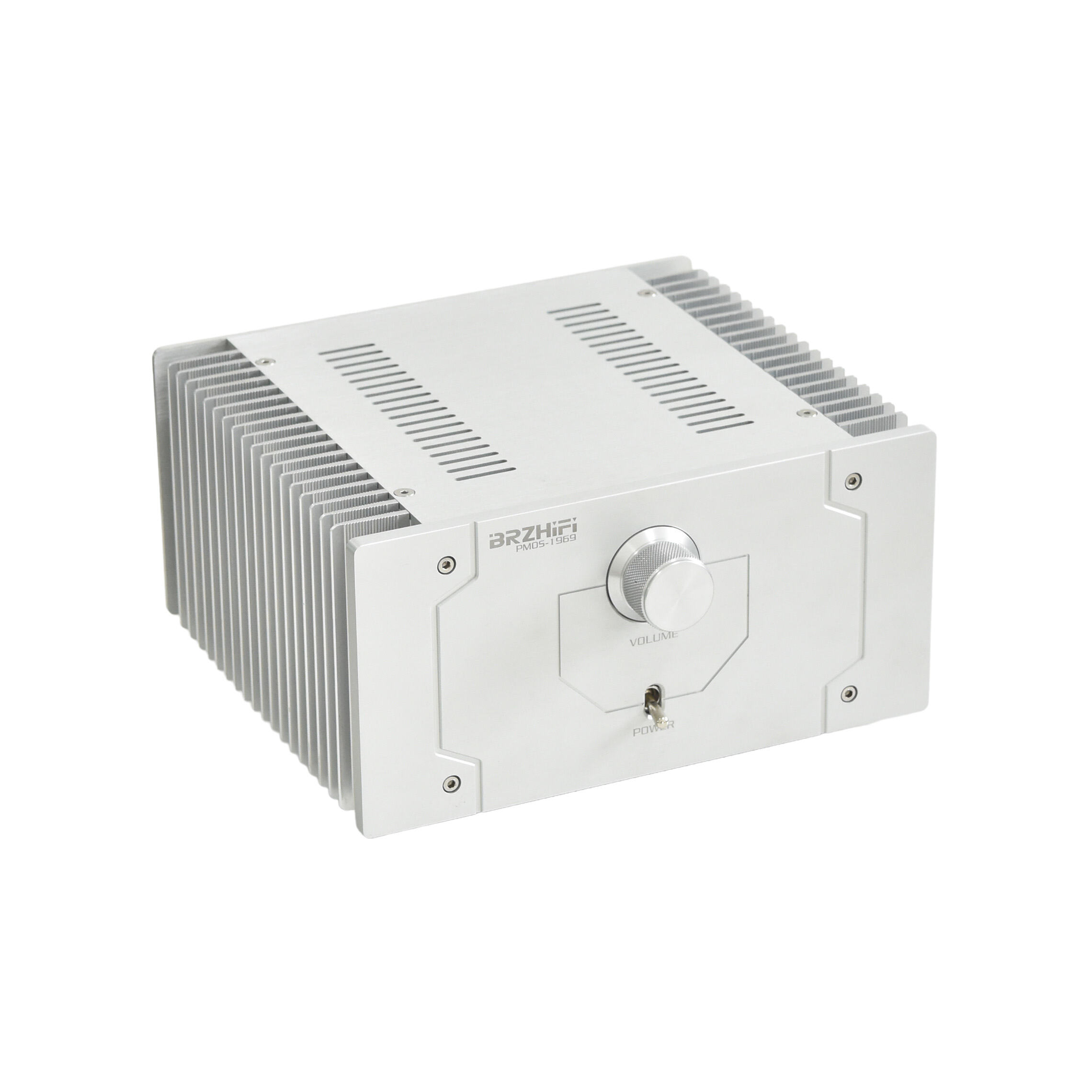
Establishing a reliable partnership with a digital players manufacturer is crucial for businesses seeking consistent, high-quality audio equipment supply. Whether you're a distributor, retailer, or system integrator, selecting the right digital players manufacturer can significantly impact your operational success and customer satisfaction. The process requires careful evaluation of multiple factors including production capabilities, quality standards, technical expertise, and long-term business stability. Understanding these critical elements will help you make informed decisions that support sustainable growth and competitive advantage in the digital audio market.
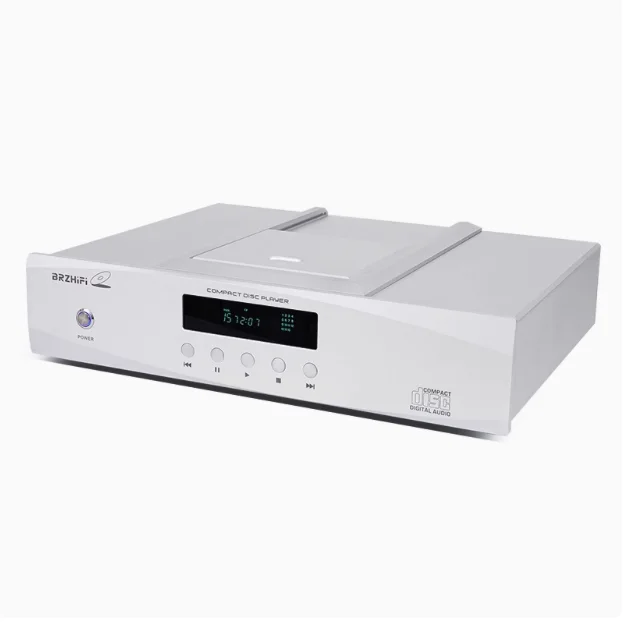
Manufacturing Capabilities Assessment
Production Capacity and Scalability
A qualified digital players manufacturer must demonstrate adequate production capacity to meet your current and future demands. Evaluate their manufacturing facilities, equipment sophistication, and workforce capabilities to ensure they can handle volume fluctuations without compromising quality. Consider their ability to scale operations during peak seasons or market expansion phases. Review historical production data and capacity utilization rates to understand their operational efficiency and reliability under various demand scenarios.
Examine the manufacturer's flexibility in accommodating custom specifications and modifications. A competent digital players manufacturer should offer adaptable production lines that can handle diverse product variants while maintaining consistent quality standards. Assess their lead times for standard products versus customized solutions, as this directly impacts your inventory management and customer service capabilities.
Technology Infrastructure and Innovation
Modern digital audio technology evolves rapidly, requiring manufacturers to maintain cutting-edge infrastructure and continuous innovation capabilities. Evaluate the manufacturer's research and development investments, technical expertise, and ability to incorporate emerging technologies into their product lines. Review their patent portfolio, collaboration with technology partners, and participation in industry standards development to gauge their commitment to innovation.
Assess the manufacturer's testing facilities and quality control systems. Advanced testing equipment and comprehensive quality assurance protocols are essential for producing reliable digital players that meet international standards. Verify their compliance with relevant audio industry certifications and their ability to adapt to changing regulatory requirements across different markets.
Quality Standards and Certification
International Quality Certifications
A reputable digital players manufacturer should hold relevant international quality certifications such as ISO 9001, demonstrating their commitment to systematic quality management. Verify their compliance with audio-specific standards like IEC 60094 for digital audio equipment and regional certifications required for target markets. These certifications indicate the manufacturer's ability to maintain consistent quality standards and meet regulatory requirements across different jurisdictions.
Review the manufacturer's quality control processes, from incoming material inspection to final product testing. Comprehensive quality systems should include statistical process control, defect tracking, and continuous improvement initiatives. Request documentation of their quality metrics, including defect rates, customer return rates, and corrective action procedures to evaluate their operational excellence.
Product Reliability and Performance Testing
Thorough testing protocols are essential for ensuring digital players meet performance specifications and reliability requirements. Evaluate the manufacturer's testing capabilities including audio performance measurements, environmental stress testing, and accelerated aging tests. Comprehensive testing should cover electrical safety, electromagnetic compatibility, and acoustic performance to ensure products meet both technical specifications and end-user expectations.
Request sample products for independent evaluation and consider conducting third-party testing to verify manufacturer claims. Long-term reliability testing data provides valuable insights into product durability and potential failure modes. A qualified digital players manufacturer should provide detailed test reports and be transparent about their testing methodologies and performance criteria.
Supply Chain Management and Logistics
Component Sourcing Strategy
Effective supply chain management is critical for maintaining consistent production and competitive pricing. Evaluate the manufacturer's component sourcing strategy, supplier diversification, and inventory management practices. A robust supply chain should include multiple qualified suppliers for critical components and effective risk mitigation strategies to address potential disruptions.
Assess the manufacturer's relationships with key component suppliers, particularly for specialized audio components and semiconductors. Strong supplier partnerships often translate to better pricing, priority allocation during shortages, and access to latest technology developments. Review their supplier qualification processes and ongoing performance monitoring systems to ensure supply chain reliability.
Inventory Management and Delivery Performance
Reliable inventory management and delivery performance directly impact your ability to serve customers effectively. Evaluate the manufacturer's inventory planning systems, safety stock levels, and order fulfillment processes. Consistent on-time delivery performance indicates operational efficiency and customer focus that are essential for long-term partnership success.
Review the manufacturer's logistics capabilities including packaging, shipping, and documentation processes. Proper packaging protects products during transit while efficient shipping and accurate documentation facilitate smooth customs clearance and delivery. Consider their ability to support multiple delivery options and accommodate special shipping requirements for different markets or customer segments.
Financial Stability and Business Continuity
Financial Health Assessment
Financial stability is crucial for ensuring long-term supply reliability and partnership sustainability. Review the digital players manufacturer's financial statements, credit ratings, and banking relationships to assess their financial health and stability. Strong financial performance indicates the company's ability to invest in technology upgrades, maintain inventory, and weather economic uncertainties without disrupting supply commitments.
Evaluate the manufacturer's revenue diversification across products, markets, and customer segments to understand their business resilience. Over-dependence on a single product line or major customer can create supply risks during market downturns or customer changes. A diversified business model generally provides greater stability and reduced supply chain risks for long-term partnerships.
Business Continuity Planning
Comprehensive business continuity planning demonstrates the manufacturer's preparedness for potential disruptions and commitment to maintaining supply reliability. Review their disaster recovery plans, backup production capabilities, and crisis management procedures. Effective continuity planning should address various scenarios including natural disasters, supply chain disruptions, and operational challenges.
Assess the manufacturer's risk management practices and insurance coverage to understand their ability to recover from potential disruptions. Consider their geographic diversification of production facilities and supplier base as additional risk mitigation factors. A well-prepared digital players manufacturer should have documented contingency plans and demonstrated ability to execute them effectively.
Technical Support and Customer Service
Engineering Support Capabilities
Technical support capabilities are essential for successful product integration and ongoing customer satisfaction. Evaluate the manufacturer's engineering team expertise, technical documentation quality, and responsiveness to technical inquiries. Comprehensive technical support should include pre-sales consultation, product customization assistance, and post-sales troubleshooting support.
Review the manufacturer's ability to provide training, technical documentation, and application support for your team and end customers. Access to knowledgeable technical personnel can significantly reduce implementation challenges and accelerate time-to-market for new products or applications. Consider their communication capabilities and time zone coverage to ensure adequate support availability.
Warranty and After-Sales Service
Comprehensive warranty coverage and reliable after-sales service protect your investment and support customer satisfaction. Evaluate the manufacturer's warranty terms, coverage scope, and claims processing procedures. Clear warranty policies and efficient claims handling demonstrate the manufacturer's confidence in their products and commitment to customer support.
Assess the manufacturer's field service capabilities, spare parts availability, and repair turnaround times. Effective after-sales support minimizes downtime and maintains customer satisfaction throughout the product lifecycle. Consider their global service network and local support capabilities in your target markets to ensure comprehensive coverage.
FAQ
What key certifications should a digital players manufacturer have?
A qualified digital players manufacturer should hold ISO 9001 quality management certification, relevant audio industry certifications like IEC standards compliance, and regional safety certifications such as CE, FCC, or UL depending on target markets. These certifications demonstrate adherence to quality standards and regulatory compliance essential for global market access.
How can I evaluate a manufacturer's production capacity?
Evaluate production capacity by reviewing facility size, equipment capabilities, workforce numbers, historical production volumes, and capacity utilization rates. Request facility tours, examine production schedules, and assess their ability to handle volume fluctuations while maintaining quality standards. Consider their scalability plans and investment in additional capacity.
What financial information should I request from potential manufacturers?
Request audited financial statements for the past three years, credit ratings, bank references, and information about major customers and revenue sources. Evaluate their profitability trends, debt levels, cash flow stability, and business diversification to assess financial health and long-term viability as a supply partner.
How important is geographic location for digital players manufacturer selection?
Geographic location affects shipping costs, delivery times, communication convenience, and supply chain risks. Consider proximity to your markets, shipping infrastructure availability, political stability, and regulatory environment. While location is important, it should be balanced against other factors like quality, capabilities, and cost competitiveness in your overall evaluation.