
 EN
EN
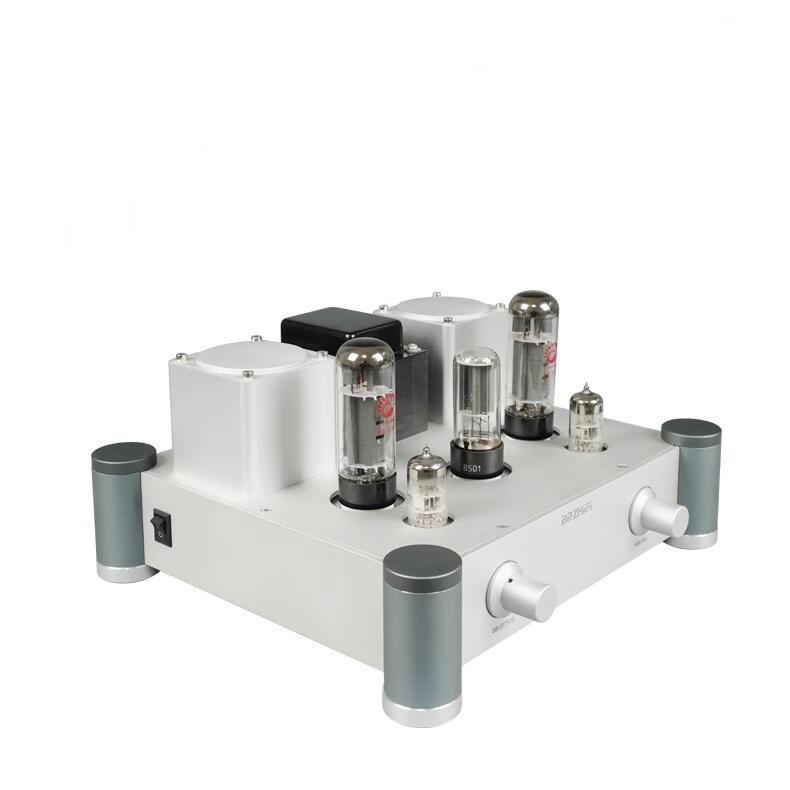
Maintaining tubes in a class a tube amplifier requires careful attention to detail and regular monitoring to ensure optimal performance and longevity. These sophisticated audio devices rely on vacuum tubes to deliver the warm, rich sound that audiophiles cherish, but proper maintenance is essential to preserve their exceptional sonic characteristics. Understanding the fundamentals of tube care will help you maximize the lifespan of your class a tube amplifier while maintaining its pristine audio quality. Regular maintenance not only prevents costly repairs but also ensures that your amplifier continues to deliver the superior sound reproduction that makes class a tube amplifier systems so highly valued in the audiophile community.

Understanding Tube Characteristics and Behavior
Types of Tubes in Class A Amplifiers
Different tube types serve specific functions within your class a tube amplifier, each requiring tailored maintenance approaches. Power tubes, such as 300B, KT88, or EL34 variants, handle the main amplification duties and typically require replacement every 2-3 years depending on usage patterns. Preamp tubes like 12AX7 or 12AU7 process input signals and generally last longer, often 5-7 years with proper care. Driver tubes occupy a middle ground, supporting both signal processing and power functions within the amplifier circuit. Understanding these distinctions helps you develop appropriate maintenance schedules for each tube type in your class a tube amplifier system.
Each tube type exhibits unique aging characteristics that affect performance over time. Power tubes gradually lose their ability to handle high currents, resulting in reduced output power and potential distortion. Preamp tubes may develop noise or microphonics as their internal structures weaken with age. Recognizing these patterns allows you to anticipate maintenance needs and replace tubes before they compromise your class a tube amplifier's performance. Regular monitoring of tube behavior helps identify potential issues early, preventing sudden failures that could damage other components.
Signs of Tube Degradation
Identifying early warning signs of tube deterioration is crucial for maintaining your class a tube amplifier's optimal performance. Visual inspection reveals important clues about tube condition, including changes in the tube's glow pattern, darkening of the glass envelope, or white deposits inside the tube. Audible symptoms include increased background noise, reduced dynamic range, or distortion during peaks. These indicators suggest that tubes are approaching the end of their useful life and require attention to maintain your amplifier's sound quality.
Performance degradation often occurs gradually, making it difficult to notice without systematic evaluation. Regular listening sessions with familiar reference recordings help detect subtle changes in your class a tube amplifier's sonic characteristics. Pay attention to frequency response changes, imaging precision, and overall musicality. Keeping detailed records of tube performance over time enables you to establish replacement schedules based on actual usage patterns rather than arbitrary timeframes, optimizing both performance and cost-effectiveness.
Proper Operating Procedures
Warm-Up and Cool-Down Protocols
Implementing proper warm-up procedures significantly extends tube life in your class a tube amplifier system. Allow at least 30 minutes for tubes to reach optimal operating temperature before critical listening sessions. This gradual warming prevents thermal shock that can damage tube elements and ensures stable performance. During warm-up, avoid playing music at high volumes, as tubes perform best when they reach thermal equilibrium gradually. Many experienced users leave their class a tube amplifier powered on for extended periods to maintain consistent tube temperatures.
Cool-down procedures are equally important for tube longevity. After extended listening sessions, allow tubes to cool gradually rather than shutting down immediately. This practice prevents thermal stress that can cause internal tube elements to crack or shift. Some amplifier designs include soft-start circuits that automatically manage warm-up and cool-down cycles, reducing stress on tube filaments. Understanding your specific amplifier's requirements helps you develop appropriate operating procedures that maximize tube life while maintaining optimal performance.
Volume and Load Management
Proper volume control protects tubes from excessive stress while ensuring optimal performance from your class a tube amplifier. Operating consistently at maximum output levels accelerates tube aging and increases the risk of premature failure. Maintain volume levels that allow for dynamic peaks without pushing tubes into hard clipping, which generates excessive heat and stress. Most class a tube amplifier designs perform optimally when operated between 25-75% of their maximum output capability, providing excellent sound quality while preserving tube life.
Speaker impedance matching plays a critical role in tube health and amplifier performance. Ensure that your speakers present appropriate load impedance for your class a tube amplifier's output transformers. Mismatched loads can cause excessive current draw or voltage stress, leading to premature tube failure. Consult your amplifier's specifications and use speakers within the recommended impedance range. If you need to use speakers with different impedances, consider impedance matching devices to protect your tubes and optimize performance.
Cleaning and Physical Maintenance
Tube Socket Care
Maintaining clean tube sockets ensures reliable electrical connections and prevents performance degradation in your class a tube amplifier. Dust, oxidation, and contamination can create high-resistance connections that generate heat and noise. Regular cleaning with appropriate contact cleaners removes these contaminants and restores proper conductivity. Use specialized electronic contact cleaners that leave no residue and are safe for tube sockets. Apply cleaner sparingly to avoid damage to nearby components or circuit boards.
Socket inspection should include checking for loose connections, corroded pins, or damaged socket materials. Gently wiggle tubes in their sockets to identify loose connections that could cause intermittent problems. If sockets show signs of excessive wear or damage, professional replacement may be necessary to maintain your class a tube amplifier's reliability. Document socket conditions during regular maintenance to track degradation over time and plan necessary repairs or replacements.
Ventilation and Heat Management
Proper ventilation is essential for maintaining optimal operating temperatures in your class a tube amplifier system. Ensure adequate clearance around the amplifier for air circulation, typically at least 6 inches on all sides. Clean ventilation slots and heat sinks regularly to prevent dust buildup that impedes heat dissipation. Blocked ventilation can cause excessive tube temperatures, significantly reducing tube life and potentially damaging other components.
Monitor ambient temperature conditions where your class a tube amplifier operates. High ambient temperatures force tubes to work harder and reduce their lifespan. Consider using fans or air conditioning to maintain reasonable room temperatures during extended listening sessions. Some enthusiasts install temperature monitoring systems to track operating conditions and ensure their amplifiers remain within safe thermal limits. Proper thermal management not only extends tube life but also maintains consistent performance characteristics.
Replacement Strategies and Tube Selection
Matching and Balancing Procedures
Selecting matched tube sets is crucial for optimal performance in your class a tube amplifier configuration. Matched tubes ensure balanced channel performance and prevent one channel from working harder than the other. When replacing power tubes, always replace the complete set rather than individual tubes to maintain balance. Preamp tubes can typically be replaced individually, but matching remains important for stereo imaging and channel balance. Work with reputable tube suppliers who provide matching services based on electrical parameters rather than simple visual inspection.
Proper tube balancing involves measuring key electrical characteristics such as transconductance, plate current, and gain. These parameters should match within specified tolerances to ensure optimal performance from your class a tube amplifier. Some advanced users invest in tube testing equipment to evaluate tubes before installation, while others rely on professional matching services. Regardless of your approach, maintaining detailed records of tube specifications helps track performance over time and guides future replacement decisions.
Quality Considerations and Brand Selection
Choosing high-quality replacement tubes significantly impacts the performance and reliability of your class a tube amplifier system. New production tubes from reputable manufacturers often provide consistent quality and reasonable prices, making them suitable for most applications. New Old Stock tubes from vintage manufacturers may offer superior performance characteristics but require careful evaluation to ensure they meet current reliability standards. Consider your priorities regarding sound quality, reliability, and cost when selecting replacement tubes.
Research tube manufacturers and their reputation within the audiophile community before making purchasing decisions. Read reviews and seek recommendations from other class a tube amplifier owners who have experience with specific tube brands. Some manufacturers specialize in particular tube types, offering superior performance in specific applications. Building relationships with knowledgeable tube suppliers helps ensure you receive quality products and appropriate technical support for your amplifier maintenance needs.
Troubleshooting Common Issues
Noise and Distortion Problems
Identifying and resolving noise issues in your class a tube amplifier requires systematic diagnostic approaches. Tube-related noise often manifests as hissing, crackling, or intermittent pops that correlate with tube age or damage. Start by isolating the problem to specific channels or frequency ranges, then systematically replace suspect tubes to identify the source. Keep spare tubes on hand for diagnostic purposes, as this speeds troubleshooting and minimizes system downtime.
Microphonic tubes create feedback loops that result in ringing or howling sounds when subjected to vibration. Test for microphonics by gently tapping tube envelopes with a pencil eraser while the class a tube amplifier is operating at low volume. Microphonic tubes should be replaced immediately, as the condition typically worsens over time. Implement vibration isolation measures to reduce mechanical stress on tubes and prevent microphonic problems from developing.
Power and Performance Issues
Reduced output power or dynamic range often indicates aging power tubes in your class a tube amplifier system. Monitor performance characteristics over time to establish baseline measurements for comparison. Significant deviations from normal performance levels suggest tube replacement is necessary. Use consistent test conditions and reference materials to ensure accurate performance assessments and avoid false alarms caused by environmental factors or source material variations.
Bias drift represents another common issue that affects class a tube amplifier performance and tube longevity. Regular bias adjustments ensure tubes operate within their optimal parameters, maximizing both performance and lifespan. Learn proper bias adjustment procedures for your specific amplifier model, or establish relationships with qualified technicians who can perform these adjustments safely. Improper bias settings can damage tubes or other amplifier components, making professional service worthwhile for inexperienced users.
Long-Term Care and Storage
Seasonal Maintenance Schedules
Developing systematic maintenance schedules helps ensure consistent performance from your class a tube amplifier throughout its service life. Seasonal inspections provide opportunities to address potential issues before they become serious problems. Spring cleaning should include thorough dusting, socket cleaning, and performance evaluation after winter heating seasons. Summer maintenance focuses on ventilation system cleaning and thermal management preparation for hot weather operation.
Fall maintenance prepares your class a tube amplifier for increased usage during indoor seasons. Check tube conditions, update maintenance records, and plan any necessary tube replacements before heavy listening periods. Winter maintenance emphasizes monitoring for humidity-related issues and ensuring proper ventilation despite closed windows and heating system operation. Regular maintenance schedules help distribute workload and costs over time while maintaining optimal amplifier performance.
Documentation and Record Keeping
Maintaining detailed records of tube performance, replacement dates, and operating conditions provides valuable data for optimizing your class a tube amplifier maintenance program. Record tube serial numbers, installation dates, and performance characteristics to track aging patterns and establish replacement schedules. Document any performance issues, environmental conditions, and maintenance actions taken to build a comprehensive service history.
Digital record-keeping systems facilitate data analysis and trend identification that improve maintenance decision-making. Photograph tube conditions during inspections to create visual records of aging patterns and degradation modes. These records prove valuable when consulting with technicians or tube suppliers about performance issues or replacement recommendations. Comprehensive documentation also adds value when selling or transferring your class a tube amplifier to new owners.
FAQ
How often should tubes be replaced in a class a tube amplifier?
Tube replacement frequency depends on usage patterns, tube quality, and operating conditions. Power tubes typically require replacement every 2000-5000 hours of operation, while preamp tubes may last 5000-10000 hours. Monitor performance characteristics rather than relying solely on time-based schedules, as actual tube life varies significantly based on operating conditions and individual tube quality.
Can I mix different tube brands in my class a tube amplifier?
While mixing tube brands is technically possible, it can create performance imbalances and unpredictable sonic characteristics. Power tubes should always be matched sets from the same manufacturer and production batch. Preamp tubes offer more flexibility for mixing brands, but maintaining consistent electrical characteristics remains important for optimal performance.
What tools do I need for basic class a tube amplifier maintenance?
Basic maintenance requires contact cleaner, soft brushes for dusting, tube pulling tools for safe tube removal, and basic measurement tools like multimeters. More advanced maintenance may require bias meters, tube testers, and specialized cleaning solutions. Start with basic tools and expand your kit as you gain experience with amplifier maintenance procedures.
How do I know when my class a tube amplifier needs professional service?
Seek professional service when you encounter problems beyond basic tube replacement, such as bias adjustment, transformer issues, or circuit modifications. Signs requiring professional attention include unusual noises, excessive heat generation, visible component damage, or performance problems that persist after tube replacement. Regular professional inspections every few years help maintain optimal performance and prevent serious problems.