
 EN
EN
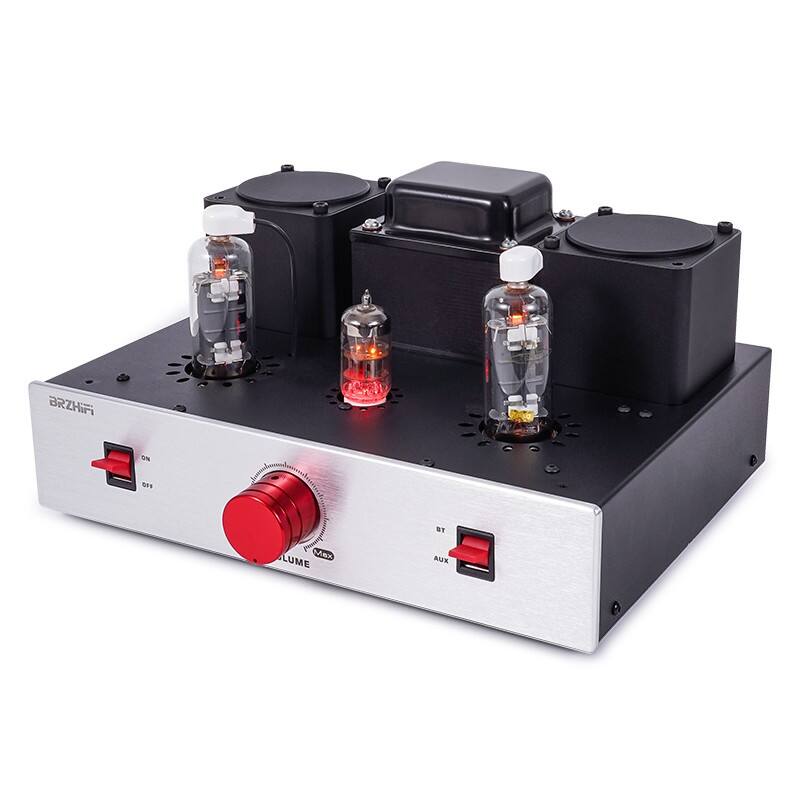
Desktop audio enthusiasts are discovering that size doesn't always dictate performance when it comes to amplification. A well-designed mini stereo amplifier can deliver surprising power and clarity, transforming your computer setup into a high-fidelity listening experience. These compact devices have evolved significantly, incorporating advanced digital processing and efficient Class-D amplification technologies that rival their full-sized counterparts. Modern desktop users demand both space efficiency and audio excellence, making the mini stereo amplifier an increasingly popular choice for home offices, gaming setups, and dedicated listening stations.
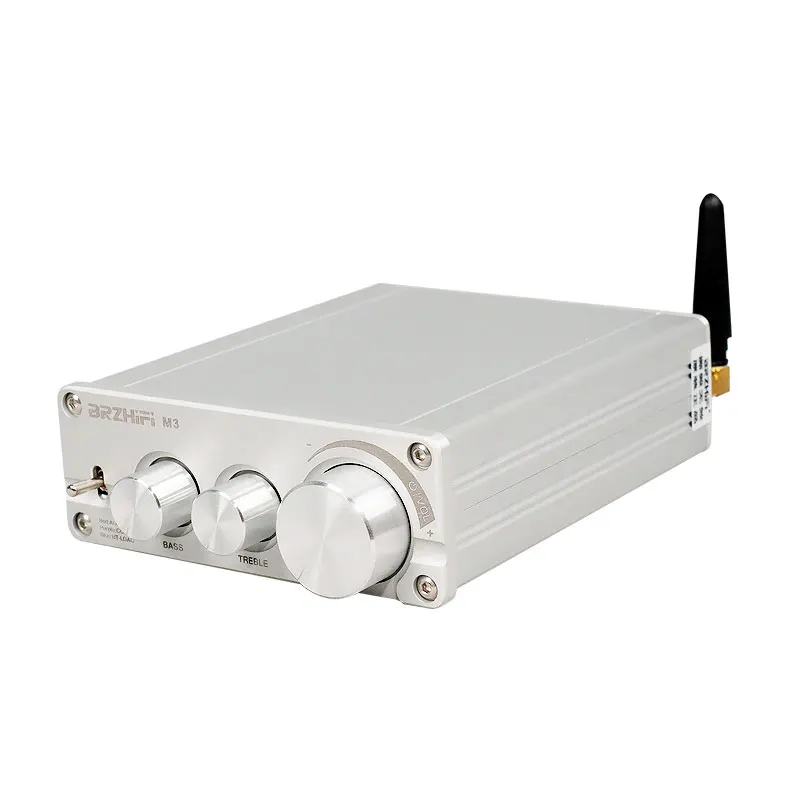
Understanding Mini Amplifier Power Capabilities
Digital Amplification Technology Advances
The power potential of a mini stereo amplifier has grown dramatically with the adoption of Class-D amplification technology. Unlike traditional Class-A or Class-AB designs that generate significant heat and require large heat sinks, Class-D amplifiers achieve efficiency rates exceeding 90 percent. This breakthrough allows manufacturers to pack substantial wattage into compact enclosures without thermal management concerns. Contemporary mini amplifiers routinely deliver 50 to 100 watts per channel, sufficient to drive most bookshelf and desktop speakers to satisfying volume levels.
Advanced digital signal processing further enhances the capabilities of modern mini amplifiers. Integrated DACs with support for high-resolution audio formats ensure that digital sources maintain their fidelity throughout the amplification chain. Many units incorporate sophisticated filtering and noise reduction algorithms that were previously exclusive to high-end separate components. The result is clean, powerful amplification that maximizes the performance potential of connected speakers while maintaining the compact footprint essential for desktop applications.
Power Output Specifications and Real-World Performance
When evaluating the power capabilities of a mini stereo amplifier, understanding specification nuances proves crucial for making informed decisions. Manufacturers typically rate output power under ideal conditions with specific impedance loads and distortion levels. A quality mini amplifier rated at 80 watts per channel into 4 ohms might deliver 50 watts into 8 ohms, which remains adequate for most desktop scenarios. The key lies in matching amplifier output to speaker sensitivity and listening preferences rather than simply pursuing maximum wattage numbers.
Real-world performance often exceeds expectations when a mini stereo amplifier is properly matched to appropriate speakers. Efficient bookshelf speakers with sensitivity ratings above 85 dB can achieve impressive volume levels with relatively modest amplifier power. The clean, undistorted nature of modern Class-D amplification ensures that available watts are utilized effectively, often resulting in better perceived loudness and dynamics compared to higher-powered but less efficient alternatives.
Connectivity and Feature Integration
Wireless Connectivity Options
Modern mini stereo amplifiers excel in connectivity versatility, with Bluetooth capabilities becoming standard across most product lines. High-quality codecs such as aptX and aptX HD enable wireless streaming that maintains audio fidelity, eliminating the quality compromises traditionally associated with wireless transmission. The convenience of wireless connectivity proves particularly valuable in desktop environments where cable management and flexibility are priorities. Users can seamlessly switch between multiple devices without physical connections, streamlining the listening experience.
Advanced models incorporate additional wireless protocols and smart features that extend functionality beyond basic amplification. Wi-Fi connectivity enables streaming from network sources and integration with home automation systems. Some units support multiple simultaneous connections, allowing users to share audio control among different devices. These connectivity enhancements transform the mini stereo amplifier from a simple power source into a comprehensive audio hub suitable for modern digital lifestyles.
Input Diversity and Source Compatibility
The input selection on contemporary mini amplifiers reflects the diverse source requirements of desktop users. Beyond traditional analog inputs, most units feature multiple digital connections including USB, optical, and coaxial options. This variety ensures compatibility with computers, gaming consoles, streaming devices, and traditional audio components. USB inputs often support high-resolution audio formats, enabling direct connection to computers for audiophile-quality playback of lossless files.
Input switching and source management features add convenience and functionality to the desktop audio experience. Automatic source detection eliminates manual switching when devices are connected or activated. Remote control capabilities, whether through dedicated remotes or smartphone apps, provide convenient volume and source control from listening positions. These features collectively create a user-friendly experience that encourages regular use and enjoyment of high-quality desktop audio.
Desktop Integration and Space Optimization
Form Factor Considerations
The compact dimensions of a quality mini stereo amplifier make it ideal for desktop integration without sacrificing workspace functionality. Most units measure less than 8 inches in width and 2 inches in height, allowing placement alongside monitors, keyboards, and other desktop peripherals. The low profile design ensures that the amplifier doesn't obstruct sight lines or interfere with monitor positioning. Thoughtful industrial design often incorporates mounting options that enable under-desk or wall-mount installation for users seeking maximum desktop space preservation.
Heat dissipation characteristics of modern mini amplifiers contribute significantly to their desktop suitability. Efficient Class-D operation generates minimal heat, eliminating the need for large heat sinks or active cooling fans. This thermal efficiency translates to silent operation that won't introduce noise into quiet desktop environments. The absence of moving parts and minimal heat generation also contribute to long-term reliability, ensuring consistent performance in desktop applications where the amplifier may operate continuously.
Aesthetic Integration and Build Quality
Contemporary mini stereo amplifiers prioritize aesthetic appeal alongside functional performance, recognizing their role in visible desktop environments. Premium materials such as brushed aluminum and tempered glass create products that complement modern workspace aesthetics rather than detracting from them. LED displays and control interfaces are designed for visibility without being distracting, maintaining the clean appearance that desktop users value.
Build quality standards for desktop mini amplifiers often exceed those of larger, less visible components due to their prominent positioning and frequent interaction. Solid construction and quality components ensure reliable daily operation while maintaining attractive appearance over time. The investment in superior materials and manufacturing processes reflects the understanding that desktop audio components must satisfy both performance and aesthetic requirements to achieve user satisfaction.
Performance Optimization for Desktop Audio
Speaker Matching and System Synergy
Maximizing the performance potential of a mini stereo amplifier requires careful attention to speaker selection and system matching. Desktop speakers with moderate sensitivity ratings and stable impedance characteristics ensure optimal power transfer and dynamic performance. The relatively short listening distances typical in desktop setups allow smaller speakers to deliver full-range sound while maintaining the space efficiency that makes mini amplification attractive.
System synergy extends beyond simple power matching to encompass tonal balance and dynamic characteristics. A well-chosen mini stereo amplifier provides clean, neutral amplification that allows speakers to express their inherent character without coloration. The combination of efficient amplification and appropriate speaker matching creates desktop audio systems that rival larger installations while occupying minimal space.
Room Acoustics and Positioning
Desktop audio systems benefit significantly from attention to positioning and acoustic considerations within the workspace environment. The power capabilities of modern mini stereo amplifiers allow for flexible speaker placement options that optimize sound quality within the constraints of desktop environments. Proper speaker positioning, including attention to toe-in angles and distance from walls, maximizes the stereo imaging and tonal balance that quality amplification makes possible.
Acoustic treatment considerations for desktop environments focus on minimizing reflections from hard surfaces such as monitors and desk surfaces. Simple interventions such as speaker isolation pads and strategic placement of soft materials can significantly improve the sound quality that a capable mini stereo amplifier can deliver. These optimizations ensure that the amplifier's clean, powerful output is presented to the listener without acoustic interference that could mask its capabilities.
Technology Evolution and Future Prospects
Emerging Amplification Technologies
The evolution of mini stereo amplifier technology continues to push the boundaries of what's possible in compact form factors. Gallium nitride (GaN) semiconductors promise even greater efficiency and power density, potentially enabling higher output levels in smaller packages. Advanced digital signal processing integration will likely expand the functionality of future mini amplifiers, incorporating room correction, equalization, and other audio enhancement features previously requiring separate processors.
Machine learning and adaptive technologies represent the next frontier in mini amplifier development. Future units may automatically optimize their output characteristics based on connected speakers and listening preferences, ensuring optimal performance regardless of system configuration. These intelligent features could make high-quality desktop audio more accessible to users without extensive technical knowledge while maximizing the performance potential of the mini stereo amplifier platform.
Market Trends and Consumer Demands
Consumer expectations for desktop audio continue to evolve, driving innovation in mini stereo amplifier design and capabilities. The increasing prevalence of high-resolution audio sources demands amplifiers capable of revealing subtle musical details while maintaining the convenience and space efficiency that desktop users require. Manufacturers are responding with products that incorporate premium components and advanced technologies previously reserved for much larger and more expensive equipment.
The convergence of professional and consumer audio markets influences mini amplifier development, with features traditionally found in studio equipment appearing in desktop-oriented products. This trend benefits consumers by providing access to professional-grade audio performance in formats suitable for personal desktop use. The resulting products offer exceptional value propositions, delivering high-end audio experiences without the space and cost penalties of traditional audiophile equipment.
FAQ
What power output should I look for in a desktop mini stereo amplifier
For most desktop applications, a mini stereo amplifier delivering 30-50 watts per channel provides sufficient power for bookshelf speakers in near-field listening scenarios. Higher power ratings of 80-100 watts offer headroom for dynamic music and less efficient speakers, but may be unnecessary for typical desktop use. Consider your speaker sensitivity ratings and preferred listening levels when selecting appropriate power specifications.
Can a mini stereo amplifier really match the sound quality of larger units
Modern mini stereo amplifiers utilizing Class-D technology and quality components can indeed match or exceed the performance of larger traditional amplifiers. The key factors are circuit design quality, component selection, and power supply implementation rather than physical size. Many contemporary mini amplifiers achieve signal-to-noise ratios and distortion specifications that rival much larger and more expensive alternatives.
How do I connect multiple audio sources to my mini stereo amplifier
Most mini stereo amplifiers include multiple input options such as Bluetooth, USB, auxiliary, and digital connections to accommodate various source devices. Input switching can typically be controlled via front panel buttons, remote control, or smartphone apps depending on the model. Some advanced units support simultaneous connections with automatic source detection for seamless switching between devices.
Do mini stereo amplifiers require special speakers or cables
Mini stereo amplifiers work with standard speakers and cables, requiring no special compatibility considerations beyond appropriate impedance matching. Most units accept speaker impedances from 4-8 ohms and work well with quality speaker cables of appropriate gauge for the connection distance. Focus on selecting speakers that match your listening preferences and room size rather than seeking amplifier-specific compatibility requirements.