
 EN
EN
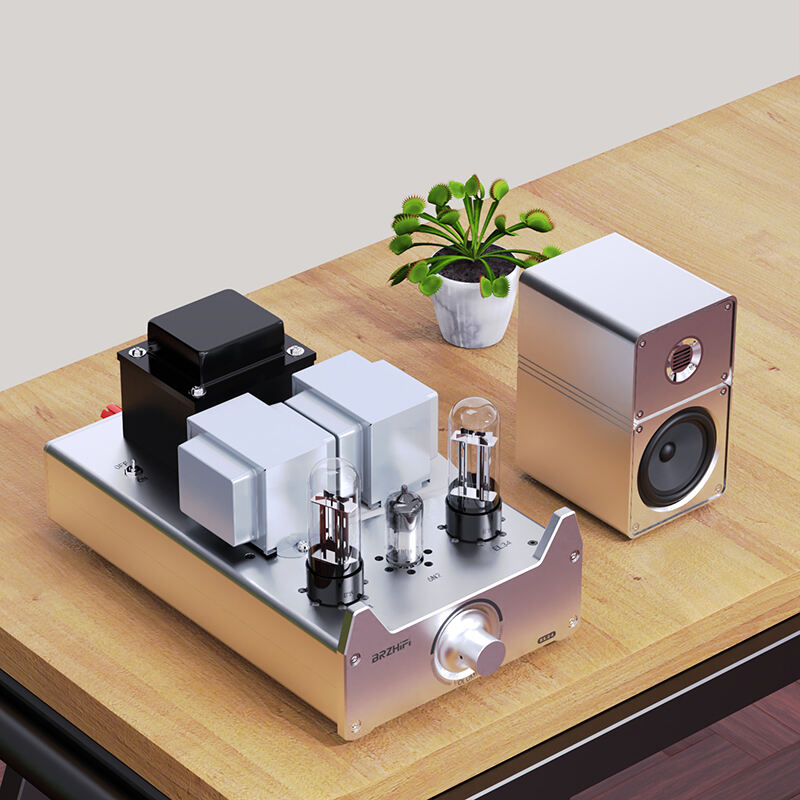
Music enthusiasts and audiophiles worldwide have long debated the merits of different amplification technologies, with the tube amplifier standing as a testament to vintage engineering excellence. The warm, rich sound signature produced by vacuum tube technology has captivated listeners for decades, offering a distinct sonic character that solid-state amplifiers struggle to replicate. When you connect a tube amplifier to your audio system, you embark on a journey that transforms your relationship with music, revealing nuances and emotional depth that may have remained hidden with conventional amplification methods.

The magic of vacuum tube technology lies in its ability to introduce harmonic distortion that enhances rather than degrades the musical experience. Unlike digital processing that aims for perfect accuracy, a tube amplifier adds subtle coloration that many describe as musical and pleasing to the ear. This characteristic stems from the natural compression and saturation that occurs when audio signals pass through glowing vacuum tubes, creating a three-dimensional soundstage that envelops the listener in warmth and intimacy.
The Science Behind Tube Amplifier Sound Quality
Harmonic Distortion and Musical Enhancement
The distinctive sound of a tube amplifier originates from its unique method of signal processing, where vacuum tubes generate even-order harmonics that complement the original musical content. These harmonics occur naturally as electrons flow through the vacuum environment within each tube, creating subtle overtones that add richness and complexity to the audio signal. Professional musicians and recording engineers often prefer this type of harmonic enhancement because it mimics the natural resonance patterns found in acoustic instruments.
Scientific measurements reveal that tube amplifier circuits produce predominantly second and fourth harmonic distortion, which the human ear perceives as pleasant and musical. This phenomenon contrasts sharply with solid-state amplifiers that typically generate odd-order harmonics, often perceived as harsh or clinical. The tube amplifier effectively acts as a musical filter, smoothing harsh digital edges while preserving the essential character and dynamics of the original recording.
Dynamic Range and Compression Characteristics
Dynamic compression in a tube amplifier occurs gradually and naturally as signal levels increase, providing automatic limiting that protects speakers while maintaining musical integrity. This soft compression characteristic allows musicians and listeners to push volume levels higher without experiencing the harsh clipping associated with solid-state designs. The gradual saturation curve of vacuum tube technology creates a forgiving response that enhances perceived loudness without sacrificing clarity or detail.
Furthermore, the natural compression provided by tube circuits helps balance the dynamic range of recordings, making quiet passages more audible while preventing loud sections from becoming overwhelming. This automatic leveling effect proves particularly beneficial when listening to classical music or jazz recordings that feature wide dynamic swings, as the tube amplifier maintains consistent engagement throughout the performance.
Tonal Characteristics That Define the Tube Experience
Midrange Warmth and Vocal Presence
The midrange frequency response of a quality tube amplifier delivers unparalleled vocal reproduction, bringing singers and lead instruments forward in the mix with remarkable clarity and presence. Vacuum tube circuits naturally emphasize the frequency range where human voices and many solo instruments reside, creating an intimate connection between listener and performer. This midrange magic explains why many professional recording studios continue to use tube equipment for vocal tracking and mixing applications.
Acoustic guitars, piano, and string sections benefit tremendously from the tube amplifier treatment, as the natural resonance and body of these instruments becomes more pronounced and lifelike. The subtle frequency shaping provided by tube circuits enhances the fundamental tones while preserving the delicate overtones that give each instrument its distinctive character and emotional impact.
Bass Response and Low-End Character
While some critics suggest that tube amplifiers lack the tight control of solid-state designs in the bass region, experienced listeners often prefer the organic, musical quality of tube-driven low frequencies. The tube amplifier produces bass that breathes and moves with the music, avoiding the mechanical precision that can make electronic music feel sterile or lifeless.
The transformer-coupled output stage common in many tube designs contributes to this distinctive bass character, providing natural roll-off that prevents excessive low-frequency extension while maintaining punch and impact where it matters most. This approach creates a balanced foundation that supports rather than overpowers the midrange and treble frequencies, resulting in a cohesive and musical presentation across the entire frequency spectrum.
Practical Benefits for Different Music Genres
Jazz and Classical Music Enhancement
Jazz recordings benefit enormously from tube amplifier reproduction, as the technology was actually used in many classic recording sessions from the golden age of jazz. The natural compression and harmonic enhancement provided by vacuum tubes helps recreate the original studio atmosphere, bringing out the subtle interplay between instruments and the ambient characteristics of legendary recording venues. Acoustic bass lines become more defined and musical, while brass sections gain the warm glow that made vintage recordings so compelling.
Classical music listeners discover new depths in orchestral recordings when experienced through a tube amplifier system, as the technology excels at reproducing the complex harmonic relationships between multiple instruments. String sections benefit from the natural smoothing effect of tubes, reducing harsh digital artifacts that can make extended listening sessions fatiguing. The three-dimensional soundstage created by tube circuits helps position orchestra sections accurately, creating a more convincing concert hall experience in the home environment.
Rock and Electronic Music Applications
Electric guitar recordings take on new life through tube amplifier reproduction, as the technology adds the same harmonic complexity that tube guitar amplifiers contribute to the original recording process. The natural compression and saturation characteristics of tubes help tame aggressive rock productions while preserving the energy and impact that makes the music exciting. Drum tracks benefit from the organic compression, with snare hits and kick drums maintaining their punch while integrating seamlessly with the overall mix.
Electronic music genres often feature heavily processed sounds that can benefit from the analog warmth provided by tube circuits, as the technology adds organic character to digital productions. Synthesizer patches gain depth and complexity, while electronic drums acquire a more natural feel that bridges the gap between synthetic and acoustic sounds. The tube amplifier serves as an analog filter that humanizes digital content without sacrificing the precision and clarity that electronic music demands.
Technical Considerations for Optimal Performance
Tube Selection and Matching
The choice of vacuum tubes significantly impacts the sonic character of any tube amplifier, with different tube types offering distinct tonal signatures and performance characteristics. Premium tubes from renowned manufacturers provide superior consistency and longevity, while exotic tube types can offer unique sonic properties for specialized applications. Proper tube matching ensures balanced performance between channels and optimal power output, while regular tube maintenance prevents gradual performance degradation.
Experienced users often experiment with different tube brands and types to fine-tune their system's sound signature, as each manufacturer's approach to tube construction creates subtle but noticeable differences in tonal character. The ability to customize the sound through tube selection represents one of the unique advantages of tube amplifier technology, allowing users to tailor their system's performance to match their musical preferences and room acoustics.
System Integration and Compatibility
Successful tube amplifier integration requires careful attention to speaker matching and system synergy, as the amplifier's output characteristics must complement the connected speakers' impedance and sensitivity specifications. High-efficiency speakers often pair exceptionally well with tube circuits, as the combination maximizes the amplifier's dynamic capabilities while minimizing distortion at typical listening levels. The impedance matching between amplifier and speakers affects both tonal balance and power delivery, making proper selection crucial for optimal performance.
Room acoustics play a significant role in tube amplifier performance, as the technology's natural warmth can complement acoustically challenging spaces while potentially overwhelming overly reverberant environments. Proper placement and acoustic treatment help maximize the benefits of tube amplification while minimizing potential issues such as excessive coloration or frequency imbalances that might detract from the musical experience.
Maintenance and Long-Term Ownership
Tube Replacement and Service Requirements
Vacuum tube replacement represents the primary maintenance requirement for tube amplifier ownership, with different tube types offering varying lifespans depending on their function within the circuit. Power tubes typically require replacement every few years under normal usage conditions, while small signal tubes can often last much longer with proper care. Understanding tube life cycles and replacement procedures helps ensure consistent performance and prevents unexpected failures during critical listening sessions.
Professional servicing becomes important for complex tube amplifier designs, as proper biasing and calibration require specialized knowledge and equipment. Regular maintenance checks help identify potential issues before they impact performance or reliability, while proper cleaning and inspection procedures extend overall system longevity. The investment in professional service typically pays dividends through improved performance and extended component life.
Cost Considerations and Value Proposition
While tube amplifier systems often require higher initial investment and ongoing maintenance costs compared to solid-state alternatives, many users find the musical benefits justify the additional expense. The unique sonic characteristics and emotional engagement provided by quality tube circuits create value that extends beyond simple technical specifications. Long-term ownership often reveals that well-designed tube amplifiers maintain their performance and desirability over decades, making them sound investments for serious music enthusiasts.
The resale value of premium tube amplifier equipment often remains strong due to consistent demand from audiophiles and musicians who appreciate the technology's distinctive characteristics. This market stability helps offset the higher operating costs associated with tube replacement and professional maintenance, making tube amplifier ownership more economically viable than initial cost comparisons might suggest.
FAQ
How often do tubes need replacement in a typical tube amplifier
Tube replacement frequency varies significantly based on usage patterns and tube type, with power tubes typically lasting 2-5 years under normal home audio conditions. Small signal tubes often last much longer, sometimes exceeding 10 years of regular use. Heavy usage, high volume levels, or poor ventilation can reduce tube life, while quality tubes from reputable manufacturers generally provide longer service life and more consistent performance throughout their operational period.
Can a tube amplifier damage modern speakers designed for solid-state amplifiers
Modern speakers designed for solid-state amplifiers work perfectly well with tube circuits, provided the impedance matching and power requirements are properly observed. The main consideration involves ensuring the tube amplifier output impedance matches the speaker's nominal impedance rating, typically 4, 8, or 16 ohms. Most contemporary speakers actually benefit from the natural current limiting provided by tube circuits, which can prevent damage during transient peaks or accidental overdriving situations.
What makes the sound of a tube amplifier different from digital amplification
The fundamental difference lies in how each technology processes audio signals, with tube circuits introducing beneficial harmonic distortion and natural compression that digital systems typically attempt to eliminate. Tube circuits create even-order harmonics that enhance musical content, while digital processing aims for mathematical accuracy that some listeners find sterile. The analog nature of tube amplification provides continuous signal processing rather than the discrete sampling used in digital systems, contributing to the perceived smoothness and organic quality of tube sound.
Are tube amplifiers suitable for modern high-resolution audio formats
Quality tube amplifiers excel at reproducing high-resolution audio formats, as the technology's bandwidth and dynamic capabilities often exceed the requirements of modern digital formats. The analog processing provided by tube circuits can actually enhance the listening experience of high-resolution recordings by adding harmonic richness and spatial depth that complements the increased detail and dynamic range. Many audiophiles specifically choose tube amplification for high-resolution playback because the combination delivers both technical accuracy and musical engagement.