
 EN
EN
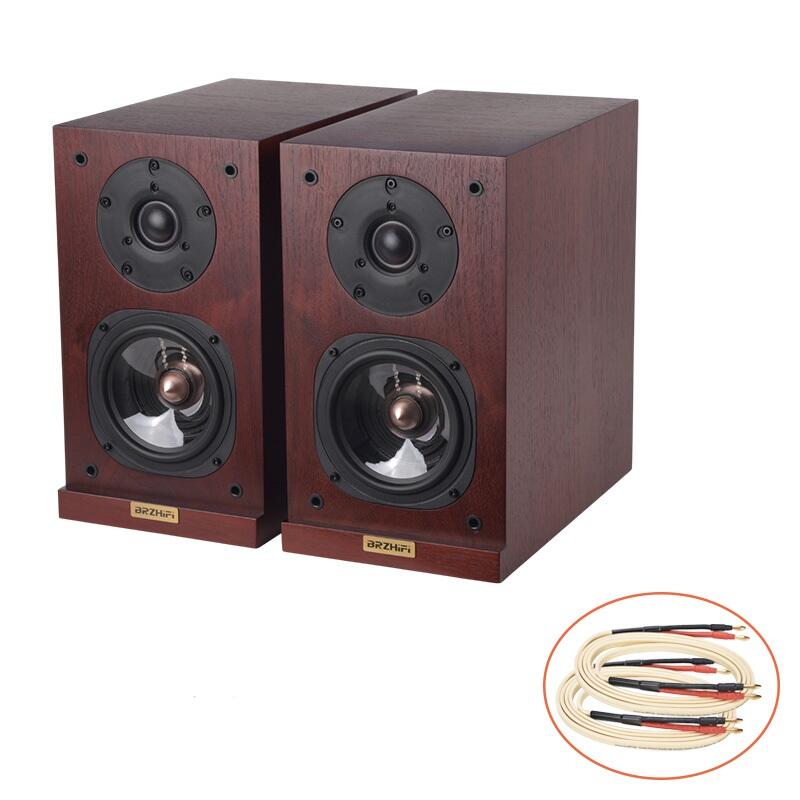
Custom audio solutions have become a cornerstone of modern business environments, with companies across industries seeking tailored sound systems that enhance customer experiences and operational efficiency. When organizations embark on large-scale audio projects, they typically partner with a specialized surround sound system manufacturer who understands the unique demands of commercial installations. These partnerships involve comprehensive consultation processes, technical assessments, and carefully engineered solutions that align with specific business objectives and environmental constraints.
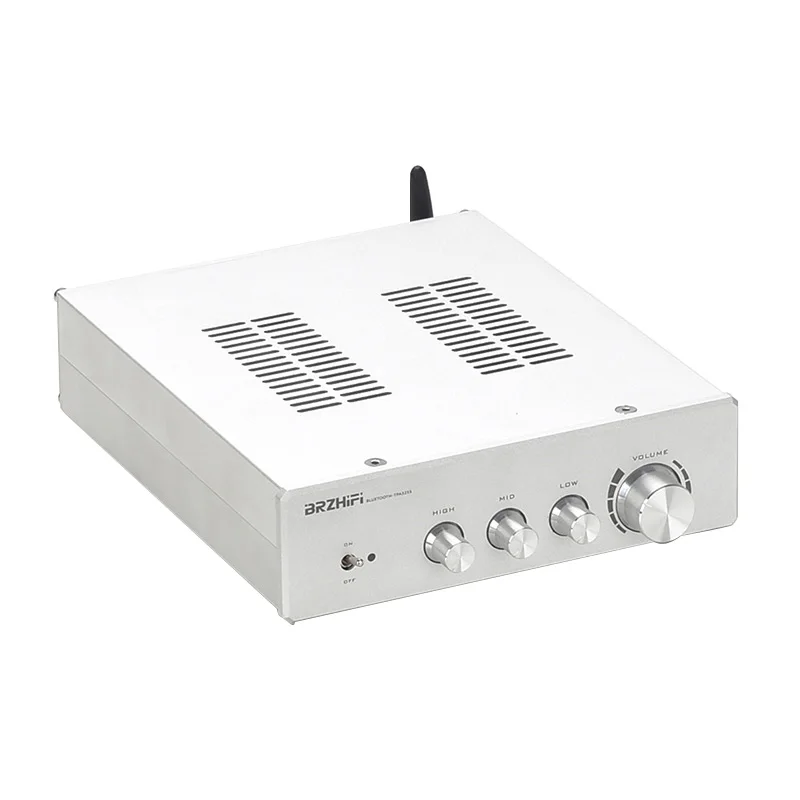
The customization process begins with understanding the client's operational requirements, acoustic challenges, and integration needs. Professional audio suppliers conduct detailed site surveys to evaluate room acoustics, existing infrastructure, and potential interference factors. This thorough assessment enables them to recommend appropriate technologies and design configurations that deliver optimal performance while staying within budget parameters. Modern B2B audio projects often require sophisticated integration with existing systems, making the expertise of an experienced surround sound system manufacturer invaluable for successful implementation.
Understanding B2B Audio Customization Requirements
Technical Specifications and Performance Standards
Business audio systems require precise technical specifications that differ significantly from consumer applications. Commercial environments demand higher power ratings, extended frequency responses, and superior signal-to-noise ratios to accommodate varying ambient noise levels and larger coverage areas. A professional surround sound system manufacturer evaluates these requirements against industry standards and client expectations to develop comprehensive technical specifications that ensure consistent performance across all installation zones.
Durability and reliability specifications also play crucial roles in B2B customization projects. Commercial audio equipment must withstand continuous operation cycles, temperature fluctuations, and environmental stresses that exceed typical residential use patterns. Suppliers work closely with clients to establish performance benchmarks and maintenance schedules that maximize system longevity while minimizing operational disruptions.
Integration with Existing Infrastructure
Most B2B audio projects involve integration with existing building systems, network infrastructures, and control platforms. This complexity requires careful planning and coordination between multiple technology providers to ensure seamless operation and unified control interfaces. Professional suppliers assess existing infrastructure capabilities and recommend integration strategies that minimize installation costs while maximizing system functionality.
Network integration has become increasingly important as businesses adopt IP-based audio distribution systems and cloud-based management platforms. Modern surround sound system manufacturer providers offer solutions that leverage existing network infrastructure while providing scalable expansion options for future growth. These integrated approaches reduce installation complexity and provide centralized management capabilities that streamline ongoing operations.
Design and Engineering Process
Acoustic Analysis and Environmental Assessment
Comprehensive acoustic analysis forms the foundation of successful B2B audio customization projects. Professional suppliers utilize advanced measurement tools and modeling software to assess room acoustics, identify potential problem areas, and optimize speaker placement for uniform coverage. This scientific approach ensures that the final installation delivers consistent audio quality throughout the designated coverage area while minimizing acoustic anomalies and interference issues.
Environmental factors such as ceiling height, wall materials, furniture placement, and HVAC systems significantly impact audio system performance. Experienced suppliers account for these variables during the design phase, incorporating acoustic treatments and system adjustments that compensate for challenging environmental conditions. This proactive approach prevents performance issues and reduces the need for costly post-installation modifications.
Component Selection and System Architecture
Professional audio suppliers maintain extensive component libraries that include products from multiple manufacturers, enabling them to select optimal components for each specific application. This vendor-agnostic approach ensures that clients receive the best possible value and performance regardless of brand preferences or budget constraints. Component selection considers factors such as power requirements, impedance matching, environmental ratings, and long-term availability to ensure sustainable system operation.
System architecture design involves creating scalable, flexible configurations that accommodate current requirements while providing expansion capabilities for future needs. A skilled surround sound system manufacturer develops modular architectures that enable incremental upgrades and modifications without requiring complete system replacements. This forward-thinking approach protects client investments and reduces total cost of ownership over the system lifecycle.
Manufacturing and Production Customization
Custom Enclosures and Mounting Solutions
Many B2B audio projects require custom enclosures, mounting systems, and architectural integration solutions that standard products cannot accommodate. Professional suppliers offer comprehensive manufacturing capabilities that include custom metalwork, specialized finishes, and engineered mounting systems designed for specific installation requirements. These custom solutions ensure that audio equipment integrates seamlessly with architectural elements while maintaining optimal acoustic performance.
Environmental protection represents another critical aspect of custom manufacturing for commercial applications. Outdoor installations, industrial environments, and high-traffic areas require specialized enclosures that provide protection against moisture, dust, vandalism, and extreme temperatures. Suppliers develop custom protection solutions that meet or exceed relevant industry standards while maintaining easy access for maintenance and service operations.
Specialized Control Interfaces and User Experience Design
User interface customization plays a vital role in B2B audio system success, as operators require intuitive control systems that match their operational workflows and technical expertise levels. Professional suppliers design custom control interfaces that integrate with existing facility management systems while providing the specific functionality required for daily operations. These customized interfaces reduce training requirements and improve operational efficiency by presenting only relevant controls and information.
Remote monitoring and diagnostic capabilities have become essential features in modern commercial audio installations. Suppliers integrate custom monitoring solutions that provide real-time system status information, predictive maintenance alerts, and remote troubleshooting capabilities. These features enable proactive maintenance strategies that minimize downtime and reduce service costs while ensuring consistent system performance.
Installation and Commissioning Services
Project Management and Coordination
Complex B2B audio installations require experienced project management to coordinate multiple trades, manage installation schedules, and ensure quality control throughout the implementation process. Professional suppliers provide dedicated project managers who serve as single points of contact for all installation activities, reducing communication complexity and ensuring adherence to project timelines and specifications.
Quality assurance protocols ensure that installations meet design specifications and performance requirements before system handover. These protocols include comprehensive testing procedures, documentation requirements, and acceptance criteria that provide clients with confidence in system performance and reliability. Experienced suppliers maintain detailed installation records that support future service and warranty requirements while providing valuable reference information for system modifications.
Training and Documentation
Comprehensive operator training ensures that client personnel can effectively utilize and maintain their custom audio systems. Professional suppliers develop customized training programs that address specific operational requirements, control procedures, and maintenance protocols relevant to each installation. These training programs include hands-on instruction, documentation materials, and ongoing support resources that enable confident system operation.
Technical documentation packages provide essential reference materials for ongoing system operation and maintenance. These comprehensive packages include system schematics, component specifications, operational procedures, troubleshooting guides, and maintenance schedules tailored to each specific installation. Detailed documentation supports efficient service operations and enables informed decision-making regarding system modifications and upgrades.
Ongoing Support and Maintenance
Preventive Maintenance Programs
Professional surround sound system manufacturer providers offer comprehensive maintenance programs designed to maximize system reliability and extend equipment lifecycles. These programs include regular inspection schedules, performance testing protocols, and component replacement strategies that prevent system failures and maintain optimal performance levels. Preventive maintenance approaches significantly reduce total cost of ownership while ensuring consistent system availability for critical business operations.
Predictive maintenance technologies enable proactive identification of potential issues before they impact system performance. Modern audio systems incorporate diagnostic capabilities that monitor component health, track performance trends, and generate maintenance alerts based on actual operating conditions. These advanced monitoring systems enable optimized maintenance scheduling and reduce unnecessary service interventions while ensuring maximum system reliability.
Upgrade and Expansion Services
Business requirements evolve over time, often necessitating system modifications, expansions, or technology upgrades to maintain optimal performance and functionality. Professional suppliers provide ongoing consultation services that help clients evaluate upgrade options, plan expansion projects, and implement technology transitions that protect existing investments while incorporating new capabilities. These services ensure that audio systems continue to meet changing business requirements throughout their operational lifecycles.
Technology refresh strategies help clients maintain competitive advantages by incorporating emerging technologies and industry standards into their existing audio infrastructures. Experienced suppliers monitor technology trends, evaluate new product introductions, and recommend upgrade paths that provide measurable business benefits while minimizing implementation costs and operational disruptions.
FAQ
What factors determine the complexity of B2B audio system customization?
The complexity of B2B audio system customization depends on several key factors including the size and acoustic characteristics of the installation environment, integration requirements with existing systems, performance specifications, and regulatory compliance needs. Large venues with challenging acoustics, extensive integration requirements, and specialized performance demands typically require more complex customization solutions than smaller, simpler installations.
How long does a typical B2B audio customization project take from concept to completion?
B2B audio customization project timelines vary significantly based on project scope, complexity, and custom manufacturing requirements. Simple installations may be completed within 4-8 weeks, while complex projects involving extensive customization, integration, and testing can require 3-6 months or longer. Professional surround sound system manufacturer providers work with clients to establish realistic timelines that account for all project variables and dependencies.
What ongoing support services are typically included with custom B2B audio systems?
Comprehensive support services for custom B2B audio systems typically include technical support, preventive maintenance programs, software updates, spare parts availability, and system monitoring services. Many suppliers offer tiered service packages that allow clients to select support levels that match their operational requirements and budget constraints while ensuring optimal system performance and reliability.
How do suppliers ensure custom audio systems meet industry standards and regulations?
Professional audio suppliers ensure compliance with industry standards and regulations through comprehensive design reviews, certified testing procedures, and documentation protocols that verify system performance against applicable requirements. This includes compliance with safety standards, accessibility regulations, environmental requirements, and industry-specific guidelines that govern audio system installations in various commercial environments.
Table of Contents
- Understanding B2B Audio Customization Requirements
- Design and Engineering Process
- Manufacturing and Production Customization
- Installation and Commissioning Services
- Ongoing Support and Maintenance
-
FAQ
- What factors determine the complexity of B2B audio system customization?
- How long does a typical B2B audio customization project take from concept to completion?
- What ongoing support services are typically included with custom B2B audio systems?
- How do suppliers ensure custom audio systems meet industry standards and regulations?