
 EN
EN
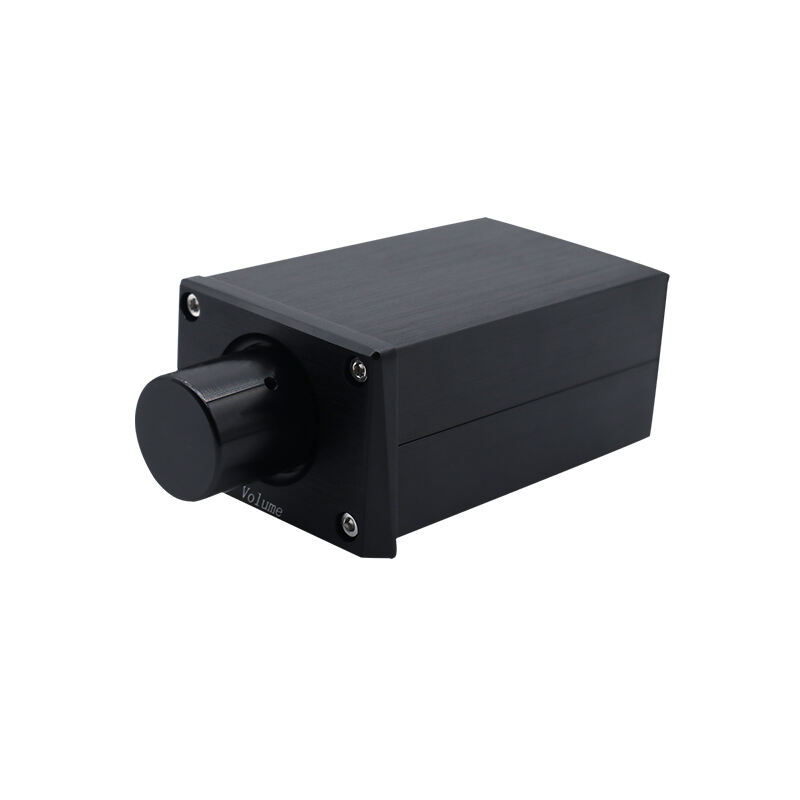
Audio enthusiasts and professionals understand that achieving pristine sound quality in multi-speaker systems requires careful attention to every component in the signal chain. Among the most critical elements, preamplifiers serve as the foundation for delivering clean, detailed audio reproduction across multiple speakers. A high-quality presonus preamp can dramatically enhance the clarity and precision of your audio system, ensuring that each speaker receives an optimally conditioned signal that preserves the integrity of your original source material.
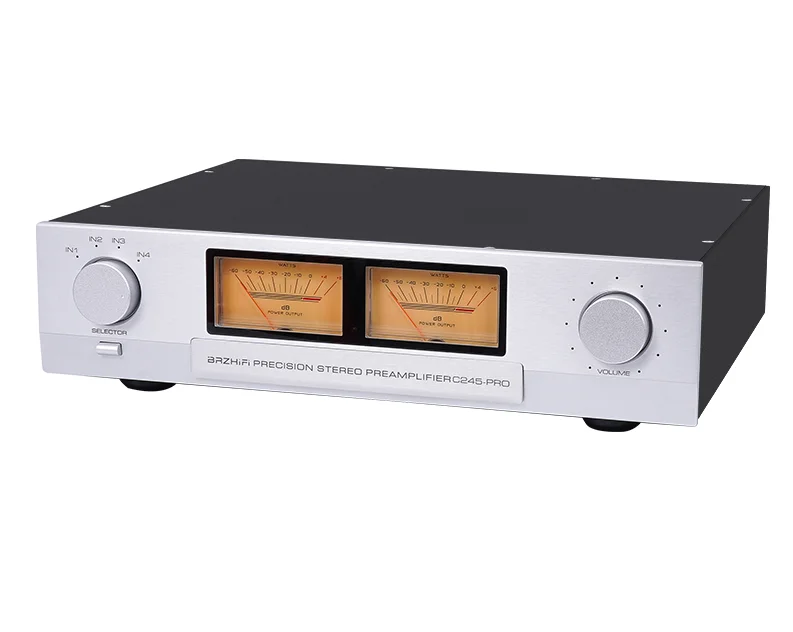
The role of preamplifiers extends far beyond simple volume control, particularly when managing complex multi-speaker configurations. Professional audio engineers recognize that a superior presonus preamp functions as the central nervous system of any serious audio setup, coordinating signal distribution while maintaining the delicate balance between gain staging and noise floor management. Understanding how preamps influence sound detail becomes essential for anyone seeking to maximize the performance potential of their multi-speaker investment.
Signal Processing Fundamentals in Multi-Speaker Systems
Gain Structure and Signal Integrity
Proper gain structure forms the cornerstone of exceptional audio reproduction in multi-speaker environments. When a presonus preamp receives input signals, it must amplify them to line level while preserving the original dynamic range and frequency response characteristics. This process becomes increasingly complex when distributing signals to multiple speakers, as each output channel must maintain consistent levels without introducing distortion or noise artifacts that could compromise overall system performance.
The impedance matching capabilities of professional preamps ensure that source components can drive multiple speaker inputs effectively. High-quality presonus preamp designs incorporate sophisticated buffer circuits that prevent loading effects between different speaker connections. This isolation prevents one speaker's characteristics from affecting the signal sent to other speakers, maintaining the intended frequency response and preventing unwanted interactions that could muddy the overall sound presentation.
Frequency Response and Transparency
Frequency response accuracy becomes paramount when dealing with multi-speaker systems, where subtle variations between channels can create imaging problems or tonal imbalances. A well-designed presonus preamp maintains linear frequency response across the entire audio spectrum, ensuring that bass frequencies, midrange detail, and high-frequency information reach each speaker with identical characteristics. This consistency allows the natural acoustic properties of individual speakers to shine through without coloration from the preamp stage.
Modern preamp designs utilize advanced circuit topologies that minimize phase shift and group delay variations across the frequency spectrum. These technical considerations directly impact the coherence of multi-speaker presentations, where timing relationships between different frequency bands must remain intact to preserve the original soundstage and imaging characteristics. Professional users often specify presonus preamp models that demonstrate exceptional phase linearity for critical monitoring applications.
Multi-Channel Distribution and Control
Channel Independence and Crosstalk Suppression
Effective channel separation becomes crucial when a single preamp must serve multiple speakers simultaneously. Superior presonus preamp designs incorporate dedicated output stages for each channel, preventing crosstalk between different speaker feeds that could blur stereo imaging or create unwanted interference patterns. This isolation ensures that the left and right channels maintain their distinct character, preserving the three-dimensional soundstage that makes multi-speaker systems so compelling.
The measurement of crosstalk suppression in professional preamps often exceeds -80dB, indicating virtually complete isolation between channels. This level of performance allows complex musical passages with intricate stereo positioning to reproduce accurately across multiple speakers. When selecting a presonus preamp for multi-speaker applications, examining crosstalk specifications provides insight into the unit's ability to maintain channel integrity under demanding conditions.
Volume Control and Balance Management
Precise volume control becomes exponentially more important in multi-speaker systems, where small level differences between channels can significantly impact the listening experience. High-end presonus preamp models utilize stepped attenuators or precision electronic volume controls that maintain perfect channel matching across the entire adjustment range. This consistency ensures that the relative balance between speakers remains constant regardless of the selected listening level.
Advanced preamp designs often include individual channel trim controls that allow fine-tuning of each speaker's level to compensate for room acoustics or speaker sensitivity differences. These features enable users to optimize their multi-speaker systems for specific listening environments while maintaining the overall character and dynamics that make high-quality preamps so valuable for serious audio applications.
Noise Floor and Dynamic Range Considerations
Signal-to-Noise Ratio Optimization
The noise floor characteristics of a presonus preamp directly influence the perceived detail and clarity in multi-speaker systems. Lower noise floors allow subtle musical details to emerge from the background, creating a more engaging and realistic listening experience. Professional preamps typically achieve signal-to-noise ratios exceeding 100dB, ensuring that even the quietest passages retain their intended impact without being masked by electronic noise.
Multi-speaker systems can reveal noise issues that might remain hidden in simpler configurations, as multiple speakers can sometimes sum noise artifacts in ways that make them more audible. A high-quality presonus preamp addresses these concerns through careful circuit design, premium component selection, and sophisticated power supply filtering that eliminates potential noise sources before they can affect the audio signal.
Dynamic Range Preservation
Preserving the full dynamic range of source material requires preamps that can handle both the softest and loudest passages without compression or distortion. Professional presonus preamp designs incorporate high-headroom circuits that accommodate the peaks found in modern digital recordings while maintaining clean operation at typical listening levels. This capability ensures that the full emotional impact of musical performances translates effectively to multi-speaker presentations.
The relationship between dynamic range and multi-speaker systems extends beyond simple peak handling, as different speakers may have varying sensitivity characteristics that affect their dynamic behavior. A well-designed preamp provides consistent drive capability to all connected speakers, ensuring that dynamic contrasts reproduce accurately regardless of the specific speaker combination or listening level selected by the user.
Circuit Topology and Component Quality
Amplification Stage Design
The choice of amplification topology significantly impacts how a presonus preamp performs in multi-speaker applications. Solid-state designs typically offer excellent channel matching and low distortion characteristics that work well with multiple speakers, while tube-based preamps can provide harmonic richness that enhances musical engagement. Understanding these differences helps users select the most appropriate preamp type for their specific multi-speaker requirements and listening preferences.
Modern preamp designs often incorporate hybrid topologies that combine the best characteristics of different amplification approaches. These sophisticated circuits can deliver the precision required for multi-speaker systems while maintaining the musical character that makes high-end audio so rewarding. When evaluating presonus preamp options, considering the amplification approach provides insight into how the unit will perform in demanding multi-speaker applications.
Power Supply and Regulation
The power supply design of a presonus preamp plays a crucial role in multi-speaker performance, as multiple output channels place additional demands on the unit's power delivery capabilities. High-quality preamps utilize sophisticated regulation circuits that maintain stable voltages even when driving multiple speakers simultaneously. This stability ensures consistent performance regardless of the connected load or dynamic demands of the program material.
Premium preamp designs often incorporate separate power supply sections for different circuit stages, preventing interactions between the input sections, gain stages, and output drivers. This isolation contributes to the overall transparency and detail retrieval that distinguishes exceptional preamps from more basic designs, particularly when operating in demanding multi-speaker environments where any weakness in the design becomes more apparent.
Integration with Speaker Systems
Impedance Matching and Load Compatibility
Successful integration of a presonus preamp with multi-speaker systems requires careful attention to impedance matching and load compatibility. Different speakers present varying impedance characteristics that can affect the preamp's frequency response and distortion performance. Professional preamps typically feature low output impedance designs that can drive multiple speakers without significant loading effects or performance degradation.
The ability to drive multiple speakers simultaneously without compromising audio quality depends on the preamp's output stage design and current delivery capabilities. High-end presonus preamp models incorporate robust output stages that maintain their performance characteristics even when connected to demanding speaker loads or multiple parallel connections that might challenge lesser designs.
System Synergy and Optimization
Achieving optimal performance from multi-speaker systems requires considering the synergy between the preamp and connected speakers. Different speaker designs may benefit from specific preamp characteristics, such as particular frequency response curves or harmonic distortion profiles that complement the speakers' natural sound signature. Understanding these relationships helps users optimize their system performance beyond simple technical specifications.
The process of system optimization often involves experimenting with different presonus preamp settings and configurations to achieve the best possible sound quality from the specific combination of components. This experimentation might include adjusting gain levels, exploring different input options, or utilizing specific preamp features designed to enhance multi-speaker performance in particular listening environments or applications.
FAQ
How does a preamp improve sound quality in multi-speaker setups compared to direct connections
A presonus preamp provides proper impedance matching, signal buffering, and gain control that direct connections cannot offer. It prevents loading effects between multiple speakers, maintains consistent signal levels, and provides the necessary drive capability to ensure all speakers receive optimal signals for clear, detailed reproduction.
What specifications should I prioritize when selecting a preamp for multiple speakers
Focus on signal-to-noise ratio above 100dB, channel separation exceeding 80dB, low output impedance under 100 ohms, and sufficient output voltage to drive your speakers effectively. A quality presonus preamp should also demonstrate excellent frequency response linearity and minimal harmonic distortion across all output channels.
Can using a preamp reduce noise issues common in multi-speaker systems
Yes, a well-designed presonus preamp significantly reduces noise by providing proper gain staging, eliminating ground loops through balanced connections, and incorporating sophisticated power supply filtering. This results in a much quieter noise floor that allows subtle musical details to emerge clearly across all connected speakers.
How important is channel matching in preamps for multi-speaker applications
Channel matching is critical for maintaining proper stereo imaging and soundstage accuracy. A high-quality presonus preamp ensures identical frequency response, gain, and phase characteristics between channels, preventing the tonal imbalances that can destroy the cohesive sound presentation that makes multi-speaker systems so compelling for serious listening.
Table of Contents
- Signal Processing Fundamentals in Multi-Speaker Systems
- Multi-Channel Distribution and Control
- Noise Floor and Dynamic Range Considerations
- Circuit Topology and Component Quality
- Integration with Speaker Systems
-
FAQ
- How does a preamp improve sound quality in multi-speaker setups compared to direct connections
- What specifications should I prioritize when selecting a preamp for multiple speakers
- Can using a preamp reduce noise issues common in multi-speaker systems
- How important is channel matching in preamps for multi-speaker applications