
 EN
EN
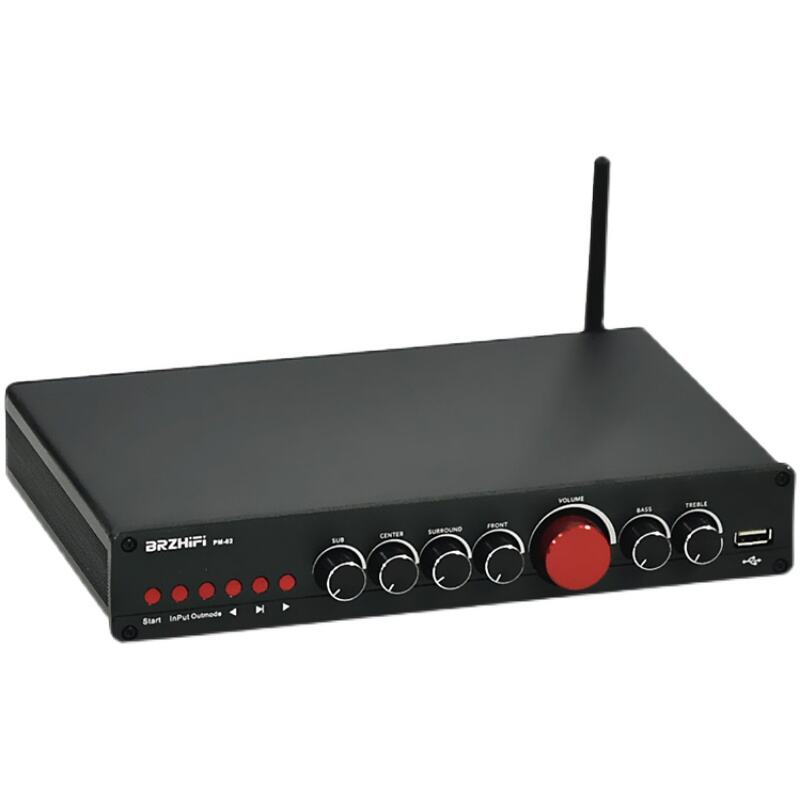
Chinese preamp manufacturers have revolutionized the audio industry through meticulous component quality management systems that rival established Western brands. These companies implement sophisticated quality control protocols that ensure every best preamp delivers exceptional performance at competitive price points. The transformation of Chinese audio manufacturing from basic production to premium engineering represents one of the most significant developments in modern audiophile equipment. Understanding how these manufacturers maintain stringent quality standards provides valuable insights into the global evolution of high-fidelity audio equipment production.
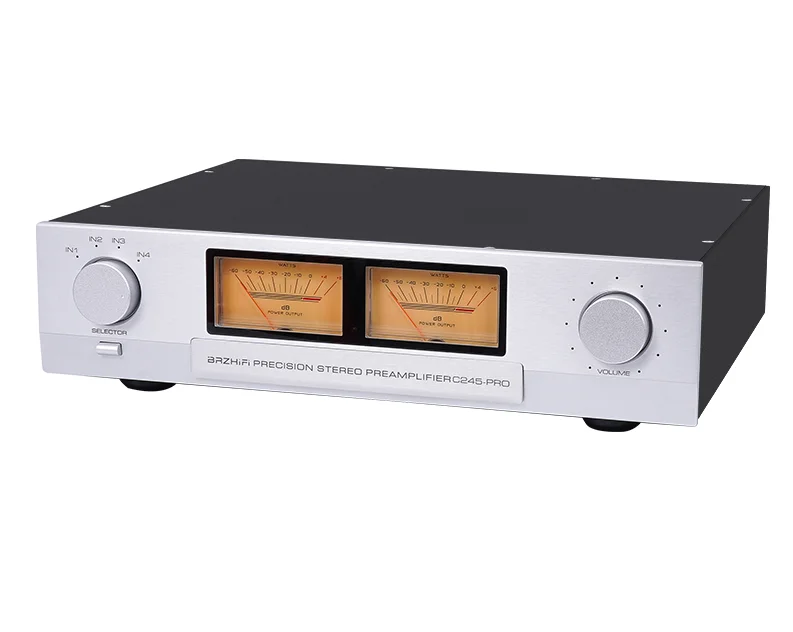
Advanced Material Sourcing and Vendor Qualification
Strategic Component Selection Process
Chinese preamp manufacturers employ comprehensive vendor qualification programs that evaluate component suppliers based on technical specifications, manufacturing capabilities, and quality certifications. These evaluation processes include detailed audits of supplier facilities, testing of sample components under various operating conditions, and verification of compliance with international standards such as ISO 9001 and IEC specifications. The best preamp manufacturers maintain approved vendor lists that undergo regular reassessment to ensure continued adherence to quality benchmarks. This systematic approach to supplier selection forms the foundation of consistent product quality across entire production lines.
The sourcing strategy extends beyond basic component procurement to include collaborative development programs with key suppliers. Leading Chinese manufacturers work directly with capacitor, resistor, and semiconductor suppliers to develop custom components optimized for specific preamp applications. These partnerships enable the creation of components that meet exact specifications for frequency response, noise characteristics, and thermal stability. The resulting custom components often exceed standard commercial grades, contributing significantly to the overall performance of the finished best preamp products.
Quality Validation and Testing Protocols
Incoming component inspection represents a critical control point in Chinese preamp manufacturing operations. Advanced testing equipment including spectrum analyzers, distortion analyzers, and precision measurement instruments verify that each component batch meets specified parameters before integration into production. Statistical sampling methods ensure representative testing while maintaining production efficiency. Components that fail initial testing undergo detailed failure analysis to identify root causes and prevent future occurrences.
The validation process includes accelerated aging tests that simulate years of operation in compressed timeframes. These tests reveal potential component degradation patterns and help manufacturers select components with superior long-term stability. Environmental stress screening exposes components to temperature cycling, humidity variations, and vibration conditions that exceed normal operating environments. Only components that successfully complete these rigorous validation protocols earn approval for use in best preamp production.
Manufacturing Process Control and Automation
Precision Assembly Techniques
Modern Chinese preamp manufacturing facilities utilize state-of-the-art surface mount technology (SMT) production lines equipped with high-precision placement machines and reflow ovens. These automated systems achieve component placement accuracies measured in micrometers, ensuring consistent electrical connections and optimal signal path integrity. The integration of machine vision systems enables real-time quality monitoring during assembly, detecting placement errors, solder joint defects, and component orientation issues before they impact product performance.
Manual assembly operations for through-hole components and specialized connections follow detailed work instructions that specify exact procedures, tools, and quality checkpoints. Skilled technicians undergo extensive training programs that cover proper handling techniques, soldering standards, and quality verification methods. The combination of automated precision for high-volume operations and skilled manual work for critical connections ensures that each best preamp meets exacting assembly standards throughout the manufacturing process.
In-Process Quality Monitoring
Statistical process control (SPC) systems track key manufacturing parameters in real-time, providing immediate feedback on process stability and product quality trends. Temperature profiles during reflow soldering, placement force measurements, and electrical continuity testing generate continuous data streams that operators and engineers analyze for process optimization opportunities. Control charts and trend analysis identify process variations before they result in defective products, enabling proactive adjustments that maintain consistent quality output.
Quality checkpoints throughout the assembly process verify critical parameters at each major stage. Initial board inspection confirms proper substrate preparation and component placement accuracy. Mid-process testing validates electrical functionality of partially assembled circuits. Final assembly inspection includes comprehensive electrical testing, mechanical fit verification, and cosmetic quality assessment. This multi-stage approach ensures that quality issues are detected and corrected at the earliest possible point in the manufacturing sequence.
Testing and Validation Infrastructure
Comprehensive Electrical Testing Systems
Chinese preamp manufacturers invest heavily in sophisticated test equipment that measures critical audio parameters including total harmonic distortion, signal-to-noise ratio, frequency response, and channel separation. Automated test systems (ATS) conduct hundreds of electrical measurements on each unit, comparing results against tight specification limits and automatically flagging units that require additional attention. These systems maintain detailed test records for every best preamp produced, creating comprehensive quality documentation that supports both internal process improvement and customer confidence.
The testing infrastructure includes specialized equipment for evaluating unique preamp characteristics such as input impedance matching, output drive capability, and dynamic range performance. Environmental test chambers subject sample units to temperature extremes, humidity variations, and thermal cycling to verify performance stability across operating conditions. Electromagnetic compatibility (EMC) testing ensures that products meet international standards for conducted and radiated emissions while maintaining immunity to external interference sources.
Quality Assurance and Reliability Testing
Long-term reliability testing programs subject best preamp units to extended operation under accelerated stress conditions that simulate years of normal use in compressed timeframes. These burn-in procedures identify potential early failure modes and ensure that products shipped to customers have demonstrated stable operation. Failure analysis capabilities include detailed investigation of any units that experience problems during testing, leading to design improvements and process refinements that enhance overall product reliability.
Statistical reliability analysis using methods such as Weibull analysis provides quantitative predictions of product lifespan and failure rates. This data supports warranty decisions, maintenance recommendations, and continuous improvement initiatives. Field failure tracking systems monitor product performance after delivery, feeding real-world performance data back into design and manufacturing process optimization efforts.
Supply Chain Integration and Traceability
End-to-End Component Tracking
Advanced inventory management systems maintain complete traceability from raw component receipt through final product shipment. Unique lot codes and serial numbers enable tracking of individual components through every stage of the manufacturing process. This comprehensive tracking capability supports rapid response to any quality issues, enabling precise identification of affected products and targeted corrective actions. Database systems store detailed information about component sources, manufacturing dates, test results, and processing history for each best preamp produced.
Integration with supplier systems provides real-time visibility into component availability, quality status, and delivery schedules. Electronic data interchange (EDI) systems automatically update inventory levels, trigger replenishment orders, and alert quality teams to any supplier notifications or quality alerts. This integrated approach ensures that production schedules are maintained while quality standards are never compromised due to component supply pressures.
Continuous Improvement and Feedback Systems
Customer feedback integration systems capture and analyze performance data from field applications, identifying opportunities for product enhancement and quality improvements. Regular supplier performance reviews evaluate quality metrics, delivery performance, and collaboration effectiveness to drive continuous improvement in the supply base. Cross-functional quality teams review manufacturing data, customer feedback, and supplier performance to identify systematic improvement opportunities that enhance overall best preamp quality and customer satisfaction.
Quality management systems conforming to international standards such as ISO 9001 provide structured frameworks for continuous improvement activities. Regular internal audits, management reviews, and corrective action processes ensure that quality systems remain effective and responsive to changing requirements. Training programs keep personnel current with the latest quality techniques and industry best practices, maintaining the knowledge base necessary for sustained quality excellence.
FAQ
What quality certifications do Chinese preamp manufacturers typically maintain
Leading Chinese preamp manufacturers maintain comprehensive quality certifications including ISO 9001 for quality management systems, ISO 14001 for environmental management, and various safety certifications such as CE, FCC, and RoHS compliance. Many facilities also hold industry-specific certifications and undergo regular third-party audits to verify continued compliance with international standards. These certifications demonstrate commitment to systematic quality management and provide assurance to global customers regarding manufacturing capabilities and quality consistency.
How do Chinese manufacturers ensure consistent quality across different production batches
Statistical process control systems monitor critical manufacturing parameters continuously, providing real-time feedback on process stability and quality trends. Standardized work procedures, comprehensive training programs, and regular equipment calibration ensure consistent manufacturing conditions across production runs. Batch-to-batch comparison testing identifies any variations in performance characteristics, enabling proactive adjustments to maintain the high standards expected from the best preamp products in the market.
What role does automation play in maintaining preamp component quality
Automated manufacturing systems eliminate human variability in critical assembly operations, ensuring consistent component placement, soldering quality, and assembly accuracy. Machine vision systems provide real-time quality monitoring during production, detecting defects immediately and preventing defective units from progressing through the manufacturing process. Automated test equipment conducts comprehensive electrical testing with precision and repeatability that exceeds manual testing capabilities, contributing significantly to the overall quality assurance of best preamp products.
How do Chinese preamp manufacturers handle quality issues discovered after production
Comprehensive traceability systems enable rapid identification of affected products when quality issues are discovered, facilitating targeted corrective actions and customer notifications. Robust failure analysis capabilities investigate root causes of any quality problems, leading to systematic improvements in design, manufacturing processes, or supplier quality requirements. Customer feedback systems ensure that field performance data is captured and analyzed to prevent future occurrences of similar issues, maintaining the reputation for quality that distinguishes the best preamp manufacturers in the competitive audio equipment market.
Table of Contents
- Advanced Material Sourcing and Vendor Qualification
- Manufacturing Process Control and Automation
- Testing and Validation Infrastructure
- Supply Chain Integration and Traceability
-
FAQ
- What quality certifications do Chinese preamp manufacturers typically maintain
- How do Chinese manufacturers ensure consistent quality across different production batches
- What role does automation play in maintaining preamp component quality
- How do Chinese preamp manufacturers handle quality issues discovered after production