
 EN
EN
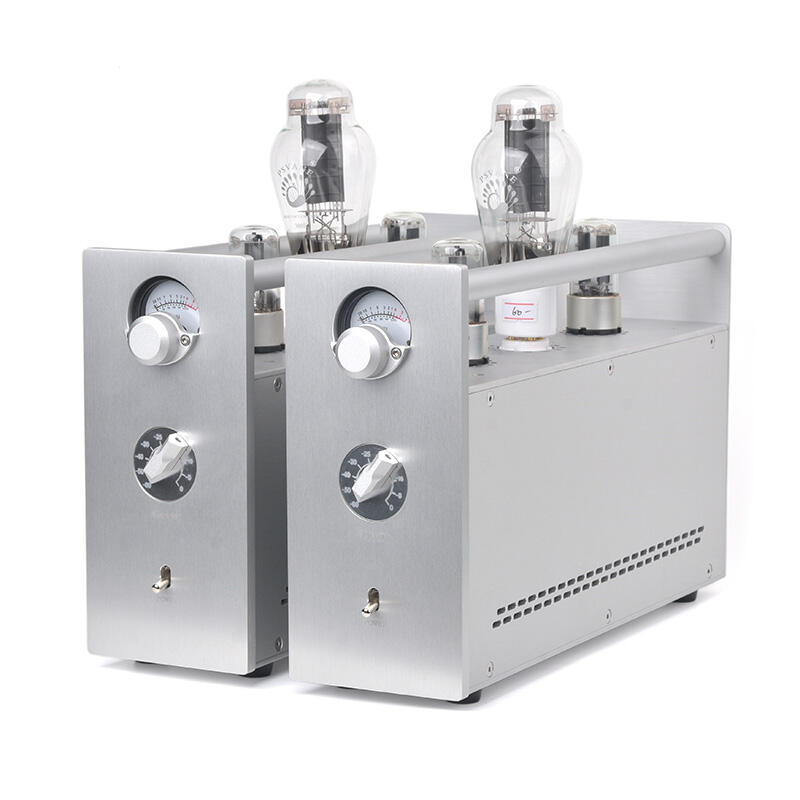
The pursuit of high-quality audio reproduction has led countless enthusiasts to explore tube amplifiers, often considered the holy grail of warm, natural sound. However, the traditional perception that tube amplifiers require substantial financial investment has evolved significantly with the emergence of budget-friendly options that deliver exceptional performance. Finding the best affordable tube amp requires understanding how manufacturers optimize design elements while maintaining the characteristic warmth and musicality that defines tube sound reproduction.
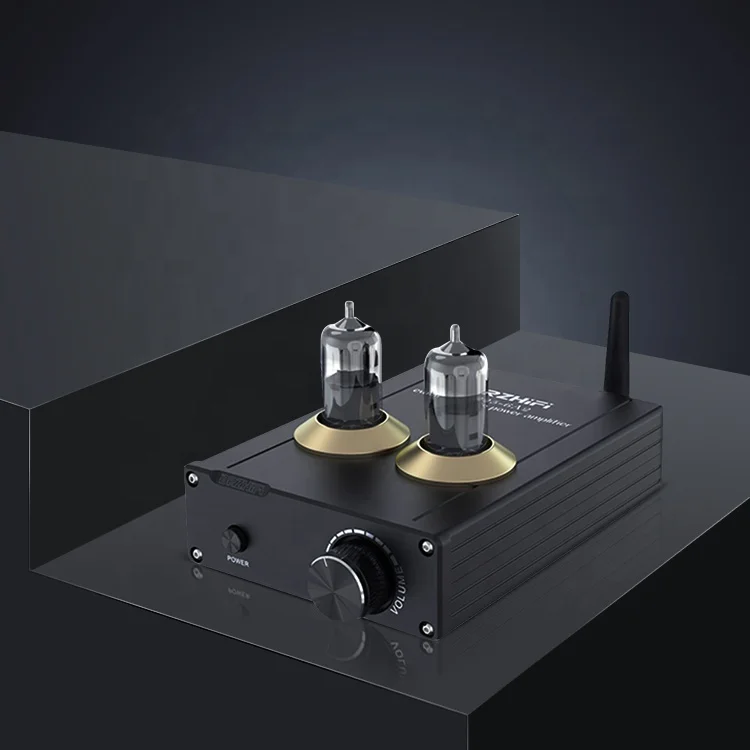
Modern engineering approaches have revolutionized the affordable tube amplifier market by implementing cost-effective manufacturing techniques without compromising sonic integrity. Entry-level models now incorporate premium components where they matter most, such as high-quality output transformers and carefully selected vacuum tubes, while utilizing efficient circuit topologies that reduce overall production costs. This strategic approach enables manufacturers to deliver the essential characteristics of tube amplification at price points previously dominated by solid-state alternatives.
The challenge of creating an effective best affordable tube amp lies in balancing component quality with manufacturing efficiency. Engineers must carefully select each element of the signal path to ensure that the distinctive harmonic richness and dynamic response of tube amplification remains intact. This involves optimizing power supply designs, selecting appropriate tube types, and implementing circuit layouts that maximize performance while minimizing production complexity and associated costs.
Engineering Fundamentals of Budget Tube Amplification
Circuit Topology Optimization
The foundation of any successful budget tube amplifier rests on intelligent circuit design that maximizes the inherent advantages of vacuum tube technology while minimizing component count and complexity. Single-ended triode configurations have gained popularity in affordable designs due to their simplicity and the pure, undiluted signal path they provide. These circuits typically employ fewer gain stages, reducing both cost and potential points of signal degradation while maintaining the characteristic tube sound signature that audiophiles seek.
Push-pull configurations represent another approach commonly found in the best affordable tube amp designs, offering greater power output and improved efficiency compared to single-ended alternatives. While slightly more complex, these circuits distribute the workload between multiple tubes, reducing stress on individual components and potentially extending operational lifespan. The balanced nature of push-pull operation also helps cancel even-order harmonics while preserving the musical odd-order harmonics that contribute to the perceived warmth of tube amplification.
Hybrid designs have emerged as an innovative solution for budget-conscious manufacturers, combining tube preamp sections with solid-state power stages. This approach preserves the crucial tube coloration in the voltage amplification stage where it has the most significant impact on sound character, while leveraging the cost-effectiveness and reliability of semiconductor technology for power delivery. The result often provides a compelling balance between tube sonic characteristics and practical considerations such as heat generation and maintenance requirements.
Component Selection Strategies
Successful budget tube amplifier design requires strategic component selection that prioritizes elements with the greatest impact on sound quality while accepting compromises in less critical areas. Output transformers represent one area where quality cannot be compromised, as they directly influence frequency response, dynamics, and overall sonic character. Manufacturers of the best affordable tube amp often invest in custom-wound transformers that provide optimal impedance matching and bandwidth while utilizing cost-effective core materials and winding techniques.
Tube selection plays a crucial role in determining both performance and cost-effectiveness. Common tube types such as 12AX7, 12AU7, and EL84 offer excellent availability and reasonable pricing while providing proven performance characteristics. These widely-used tubes benefit from extensive manufacturing history and multiple supplier options, helping keep replacement costs manageable for end users. Additionally, their well-documented electrical characteristics simplify circuit design and ensure predictable performance across different tube brands and production batches.
Power supply design represents another area where intelligent compromises can significantly impact overall cost without severely degrading performance. Solid-state rectification and regulation circuits offer improved reliability and lower heat generation compared to tube rectifiers, while providing more consistent voltage supply under varying load conditions. This approach allows designers to focus tube technology where it provides the greatest sonic benefit while utilizing modern semiconductor technology for utility functions.
Performance Characteristics and Sound Quality
Harmonic Distortion and Musical Enhancement
The distinctive sound character of tube amplification stems primarily from its unique harmonic distortion characteristics, which differ fundamentally from the distortion patterns produced by solid-state devices. Vacuum tubes naturally generate predominantly second and third-order harmonics that are musically related to the fundamental frequency, creating a sense of warmth and richness that many listeners find more pleasing than the higher-order distortion products typical of transistor amplifiers. This harmonic enhancement becomes particularly noticeable at moderate listening levels where the best affordable tube amp can provide significant sonic benefits.
The soft clipping behavior of tube circuits contributes significantly to their musical appeal, as overload conditions result in gradually increasing harmonic content rather than the abrupt hard clipping characteristic of solid-state amplifiers. This graceful overload behavior means that transient peaks and dynamic passages retain their musical character even when the amplifier approaches its power limitations. For budget-conscious listeners, this characteristic allows a lower-powered tube amplifier to sound more dynamic and engaging than a higher-powered solid-state alternative in many listening scenarios.
Frequency response characteristics of tube amplifiers often exhibit subtle variations that contribute to their perceived sonic signature. The interaction between tube characteristics and output transformer behavior typically results in gentle high-frequency rolloff and subtle low-frequency contouring that many listeners find more natural than the ruler-flat response commonly achieved by solid-state designs. These frequency response variations, while measurable, often correlate with improved listening pleasure and reduced listening fatigue during extended sessions.
Power Output and Efficiency Considerations
Understanding power requirements becomes crucial when evaluating the best affordable tube amp options, as tube amplifiers typically provide lower power output per dollar compared to solid-state alternatives. However, the efficiency of speaker systems and room acoustics play significant roles in determining actual power requirements for satisfying listening levels. Many listeners discover that 10-15 watts from a quality tube amplifier can provide adequate volume levels for nearfield listening or smaller rooms when paired with reasonably efficient speakers.
The relationship between perceived loudness and actual power output differs between tube and solid-state amplification due to harmonic content and dynamic behavior differences. Tube amplifiers often sound louder and more dynamic at equivalent power levels, particularly during complex musical passages where the harmonic enhancement and soft clipping characteristics contribute to improved perceived clarity and impact. This phenomenon allows budget tube amplifiers to compete effectively with higher-powered solid-state alternatives in appropriate system configurations.
Heat generation and power consumption represent practical considerations that influence both operating costs and component longevity. Modern efficient tube designs minimize power waste while maintaining essential tube operating characteristics, often achieving better power utilization than vintage designs. Additionally, proper thermal management extends tube life and maintains consistent performance over time, making budget tube amplifiers more cost-effective to operate than might initially appear based solely on purchase price comparisons.
Market Analysis and Value Positioning
Competitive Landscape Assessment
The affordable tube amplifier market has experienced significant expansion as manufacturers recognize growing consumer interest in tube technology at accessible price points. Chinese manufacturers have particularly contributed to this trend by leveraging efficient production methods and component sourcing to deliver tube amplifiers at unprecedented price levels. These developments have made it possible for entry-level audiophiles to experience tube sound characteristics that were previously available only through expensive boutique products or vintage equipment.
Quality control and consistency have improved substantially across budget tube amplifier offerings as manufacturers develop better production processes and quality assurance procedures. Modern manufacturing techniques enable tighter tolerances and more predictable performance characteristics compared to earlier budget offerings that often suffered from inconsistent build quality. This improvement has enhanced consumer confidence in affordable tube products and expanded market acceptance beyond the traditional audiophile community.
The emergence of direct-to-consumer sales channels and online marketplaces has further enhanced the value proposition of budget tube amplifiers by reducing distribution costs and enabling more competitive pricing. Manufacturers can now reach global markets efficiently while maintaining better profit margins, allowing for continued investment in product development and quality improvements. This distribution evolution has particularly benefited consumers seeking the best affordable tube amp options by providing access to products that might otherwise remain regionally limited.
Technology Integration and Modern Features
Contemporary budget tube amplifiers increasingly incorporate modern conveniences and connectivity options while preserving essential tube sonic characteristics. Bluetooth connectivity, USB DAC functionality, and multiple input options have become common features that enhance versatility without significantly impacting cost or compromising analog signal integrity. These additions make tube amplifiers more practical for modern listening habits while maintaining the core benefits of vacuum tube technology.
Digital signal processing integration represents an interesting development in some affordable tube amplifier designs, where DSP handles room correction, bass management, or tone control functions while leaving the primary amplification path purely analog. This hybrid approach combines the convenience of digital processing with the sonic benefits of tube amplification, creating products that appeal to both traditional audiophiles and technology-oriented consumers seeking comprehensive functionality.
Remote control capability and automatic bias adjustment features have appeared in some budget tube designs, addressing traditional concerns about tube amplifier convenience and maintenance requirements. These enhancements reduce the perceived complexity of tube ownership while maintaining the essential sonic characteristics that motivate the technology choice. Such features help expand the appeal of tube amplifiers beyond dedicated enthusiasts to include casual listeners who appreciate better sound quality but prefer minimal maintenance requirements.
Practical Implementation and System Integration
Speaker Matching and Impedance Considerations
Successful implementation of any tube amplifier, particularly budget models, requires careful attention to speaker impedance matching and efficiency characteristics. Most affordable tube amplifiers provide multiple output taps to accommodate different speaker impedances, typically offering 4, 8, and 16-ohm connections. Proper impedance matching optimizes power transfer and ensures that the output transformer operates within its design parameters, maximizing both performance and component longevity while preventing potential damage from impedance mismatches.
Speaker efficiency becomes particularly important when working with lower-powered tube amplifiers commonly found in budget designs. Speakers with sensitivity ratings above 88 dB will generally provide satisfying listening levels with modest tube amplifier power, while highly efficient designs exceeding 92 dB can deliver room-filling sound with single-digit wattage amplifiers. Understanding this relationship helps consumers select appropriate speaker systems that complement their chosen best affordable tube amp without requiring expensive upgrades or compromises in listening enjoyment.
Room acoustics and listening distance significantly influence the practical power requirements for tube amplifiers, with nearfield applications typically requiring much less power than large room installations. Many budget tube amplifiers excel in desktop or small room applications where their lower power output proves entirely adequate while their superior sound quality becomes readily apparent. This application focus allows budget-conscious consumers to experience high-quality tube sound without the expense associated with high-power tube designs intended for large spaces.
Maintenance and Operational Considerations
Modern budget tube amplifiers often incorporate design features that minimize maintenance requirements while preserving the essential benefits of tube technology. Auto-bias circuits eliminate the need for periodic bias adjustments, while thermal protection systems prevent damage from overheating or tube failures. These features reduce the technical knowledge required for successful tube amplifier ownership while maintaining reliability levels competitive with solid-state alternatives.
Tube replacement costs and availability represent ongoing operational considerations that influence the total cost of ownership for tube amplifiers. Popular tube types used in budget designs typically cost between ten and fifty dollars per tube, with replacement intervals varying from one to several years depending on usage patterns and tube quality. Many manufacturers provide guidance on tube selection and replacement procedures, making maintenance accessible to users without extensive technical backgrounds.
Power consumption and heat generation affect both operating costs and placement flexibility for tube amplifiers. Budget designs often optimize efficiency to minimize power waste while providing adequate ventilation requirements that allow installation in typical home entertainment locations. Understanding these operational characteristics helps users plan appropriate installation locations and budget for ongoing operational costs over the amplifier's service life.
Future Trends and Technology Evolution
Manufacturing Innovation and Cost Reduction
Continued advances in manufacturing technology and process optimization promise further improvements in the price-performance ratio of budget tube amplifiers. Automated winding techniques for transformers, improved quality control systems, and more efficient assembly processes all contribute to reducing production costs while maintaining or improving product quality. These developments suggest that future generations of affordable tube amplifiers will offer even better value propositions for budget-conscious audiophiles.
Material science advances may lead to improved tube designs with extended lifespans and enhanced performance characteristics at lower costs. New phosphor formulations, improved cathode materials, and more efficient heater designs could reduce operating costs while maintaining the distinctive sonic characteristics that make tube technology appealing. Additionally, advances in transformer core materials and winding techniques continue to improve efficiency and frequency response while reducing manufacturing costs.
Supply chain optimization and global manufacturing coordination enable more efficient production and distribution of budget tube amplifiers. Improved logistics and inventory management reduce overhead costs while ensuring better product availability and faster delivery times for consumers. These operational improvements contribute to overall value enhancement without requiring technological breakthroughs or significant capital investments.
Market Evolution and Consumer Preferences
Growing consumer awareness of audio quality differences continues to expand the market for tube amplifiers beyond traditional audiophile demographics. Younger listeners exposed to high-quality audio through headphones and portable devices increasingly seek similar sound quality in their home systems, creating demand for affordable entry-level products that provide clear upgrade paths. This market expansion drives continued innovation and competition in the budget tube amplifier segment.
Integration with modern lifestyle requirements, including wireless connectivity, smart home compatibility, and energy efficiency considerations, influences product development priorities for budget tube amplifiers. Manufacturers must balance these contemporary requirements with the traditional benefits of tube technology while maintaining cost-effective pricing structures. Successful products will likely combine essential modern features with proven tube sonic characteristics in packages that appeal to both traditionalists and technology adopters.
FAQ
What makes a tube amplifier sound different from solid-state alternatives
Tube amplifiers produce different harmonic distortion patterns compared to solid-state devices, generating primarily even-order harmonics that are musically related to the fundamental frequency. This creates a perceived warmth and richness that many listeners find more pleasing. Additionally, tubes exhibit soft clipping behavior during overload conditions, maintaining musical character even when approaching power limits, unlike the hard clipping typical of transistor amplifiers.
How much power do I need from an affordable tube amplifier
Power requirements depend significantly on speaker efficiency and listening environment. For nearfield listening or smaller rooms with moderately efficient speakers (88+ dB sensitivity), 10-15 watts from a quality tube amplifier often provides adequate volume levels. The harmonic enhancement and dynamic characteristics of tube amplification can make lower-powered tube amps sound more engaging than higher-powered solid-state alternatives in appropriate system configurations.
What ongoing costs should I expect with budget tube amplifiers
Primary ongoing costs include tube replacement and electricity consumption. Popular tubes used in budget designs typically cost $10-50 per tube with replacement intervals ranging from 1-3 years depending on usage. Power consumption is generally higher than solid-state equivalents but often remains reasonable for casual listening. Many modern budget designs incorporate efficiency improvements and auto-bias circuits that reduce maintenance requirements and associated costs.
Can affordable tube amplifiers compete with expensive solid-state options
Budget tube amplifiers can provide compelling sonic characteristics that many listeners prefer over expensive solid-state alternatives, particularly in areas like harmonic richness, dynamic expression, and listening enjoyment. While they may not match solid-state amplifiers in raw power output or measured specifications, their unique sonic signature often provides greater musical satisfaction in appropriate system configurations, making them excellent value propositions for sound quality-focused listeners.