
 EN
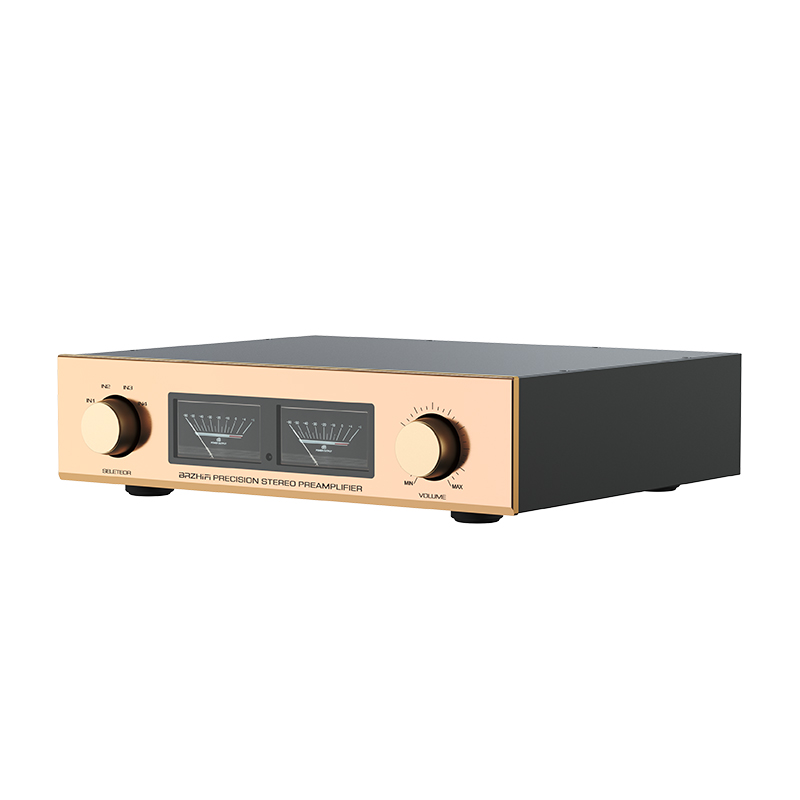
Importing an amplifier for resale or a specific project requires more than confirming a model number and price. Buyers should check that the amplifier suits the destination market, intended system, and delivery terms before paying. A structured review of amplifier requirements can help prevent specification mismatches, customs delays, and unexpected costs after the order leaves the factory.
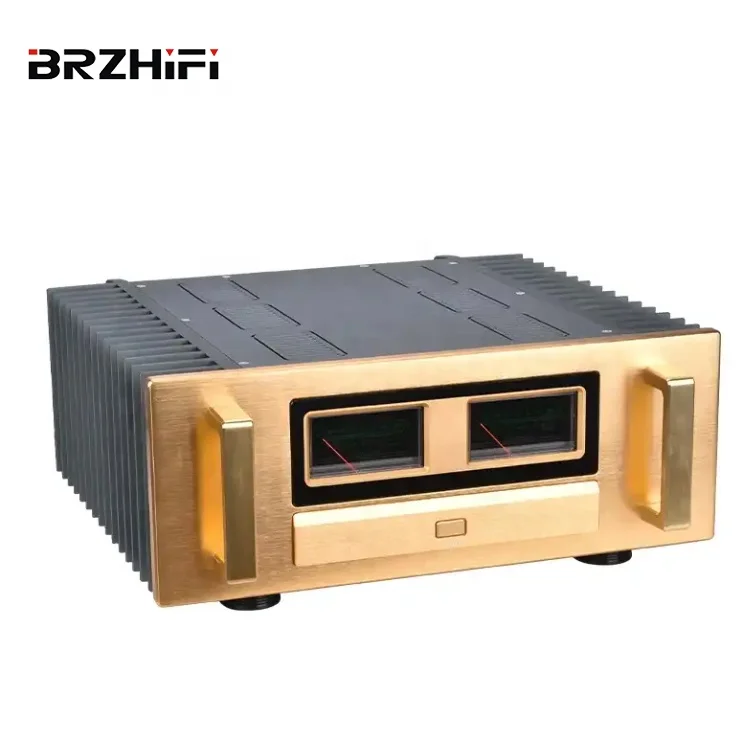
The right checks depend on whether the amplifier is being imported for commercial distribution, integration, or internal use, but the decision points are consistent. Confirm the product configuration, applicable regulations, packaging, shipping responsibilities, and after-sales arrangements in writing. Reviewing each amplifier detail before commitment gives purchasing, engineering, and logistics teams a shared basis for approval.
Confirm the Product Fits Its Intended Use
Match electrical and audio specifications
Start by comparing the amplifier’s documented specifications with the requirements of the complete system. Check rated output, supported load impedance, channel configuration, frequency response, input types, and operating voltage rather than relying on a product name. The amplifier must work with the connected speakers and source equipment under the expected operating conditions, not merely appear suitable in a brief listing.
Ask for a current specification sheet and clarify how stated power is measured, including relevant load and distortion conditions. Confirm whether the amplifier uses the required mains frequency and voltage, and whether a power cord or adapter is included. If a project needs a particular protection circuit, control interface, or mounting arrangement, have the amplifier configuration confirmed before the purchase order is finalized.
Verify configuration, accessories, and samples
Product photographs may not show every variation, so identify the exact amplifier version by model code and written configuration. Confirm front and rear panel connections, finish, included accessories, packaging contents, and any options that affect operation. A small change in input selection or supplied cable can make an amplifier unsuitable for an installation, even when the main specifications appear close.
For a larger order or a new application, consider evaluating a production-representative sample before approving volume. Test the amplifier with the intended source and load, check setup steps, and document any acceptance criteria. A sample does not replace compliance checks, but it can expose practical fit issues early. Record approved configuration details so later amplifier shipments can be checked against the same reference.
Check Import Rules and Shipment Responsibilities
Establish destination-market compliance
Before ordering, determine which safety, electromagnetic compatibility, energy, labeling, and recycling rules apply in the destination country and to the planned use. Requirements vary by market and product category, so do not assume that an amplifier cleared for one destination is automatically acceptable elsewhere. Ask what test reports, declarations, certificates, or technical files are available for the specific amplifier model.
Review documents carefully for matching model numbers, electrical ratings, and applicant details. A report for a related device may not establish compliance for the amplifier being purchased, especially if components or power supplies differ. Confirm whether local importer details, language, warning labels, or registration steps are needed. If rules are uncertain, obtain guidance from a qualified compliance professional before shipment rather than relying on a general seller statement.
Clarify customs, freight, and insurance terms
Ask the exporter to state the delivery term, named place, and division of responsibilities in the quotation or contract. Clarify who books freight, pays export and import charges, arranges insurance, and handles customs clearance. An attractive unit price can obscure costs that arise before the amplifier reaches the receiving site, so compare offers using the same shipping scope and destination assumptions.
Request a realistic estimate for freight, duties, taxes, brokerage, and local delivery, while recognizing that final charges depend on classification and customs assessment. Confirm the proposed tariff code with the relevant customs authority or broker instead of treating a code as guaranteed. For each amplifier shipment, align the commercial invoice, packing list, and transport documents on description, quantity, value, and consignee details.
Protect Cost, Quality, and Delivery Expectations
Review commercial terms and quality controls
The purchase order should identify the product version, quantity, currency, payment milestones, production timing, and acceptable tolerances. Define how defects, shortages, transit damage, and nonconforming units will be reported and resolved. For an amplifier order, agree on any inspection method and the records supplied with the goods, such as test results or serial-number information, before production begins.
Check whether quoted pricing includes packaging suitable for the expected transport route and handling conditions. Discuss carton dimensions, gross weight, palletization, and protection against movement or moisture where relevant. These details influence freight planning and receiving operations. If a product change is proposed, require written approval and assess whether it affects amplifier performance, approvals, labeling, or compatibility with the buyer’s system.
Plan receiving, support, and repeat orders
Set an arrival inspection process before the shipment lands. Compare quantities and model identifiers with the order, photograph visible damage, and test a defined sample according to the agreed acceptance criteria. Keep the amplifier packaging and shipping records until inspection is complete, since evidence can be important when discussing a damage or shortage claim with the responsible party.
Agree on the process for technical questions, replacement parts, warranty evaluation, and service during the product’s expected use. Clarify who pays return freight and how a suspected amplifier fault is diagnosed. For repeat purchasing, keep approved specifications, compliance documents, and inspection results together. This reference helps buyers detect unapproved changes and assess each new amplifier shipment consistently.
FAQ
Which documents should buyers request before importing?
Request the commercial specification sheet, quotation, applicable compliance evidence, and proposed shipping documents. Confirm that the amplifier model and ratings match across records. Depending on the market, additional declarations, labels, or technical files may be required, so verify local obligations before shipment rather than assuming one document covers every importing requirement.
Should buyers test a sample before a bulk order?
A representative sample can help confirm system compatibility, connections, setup, and build details before volume production. Define what the test should establish and retain the approved configuration as a reference. Sample testing cannot establish every regulatory requirement, but it can reveal whether the amplifier suits the intended application and purchasing specification.
How should the landed cost be assessed?
Estimate the product price together with freight, insurance, customs duties, taxes, brokerage, and delivery to the final site. Ask which party handles each charge under the agreed delivery term. Treat the figure as an estimate until the classification and customs assessment are confirmed, then compare the complete amplifier cost against the project budget.