
 EN
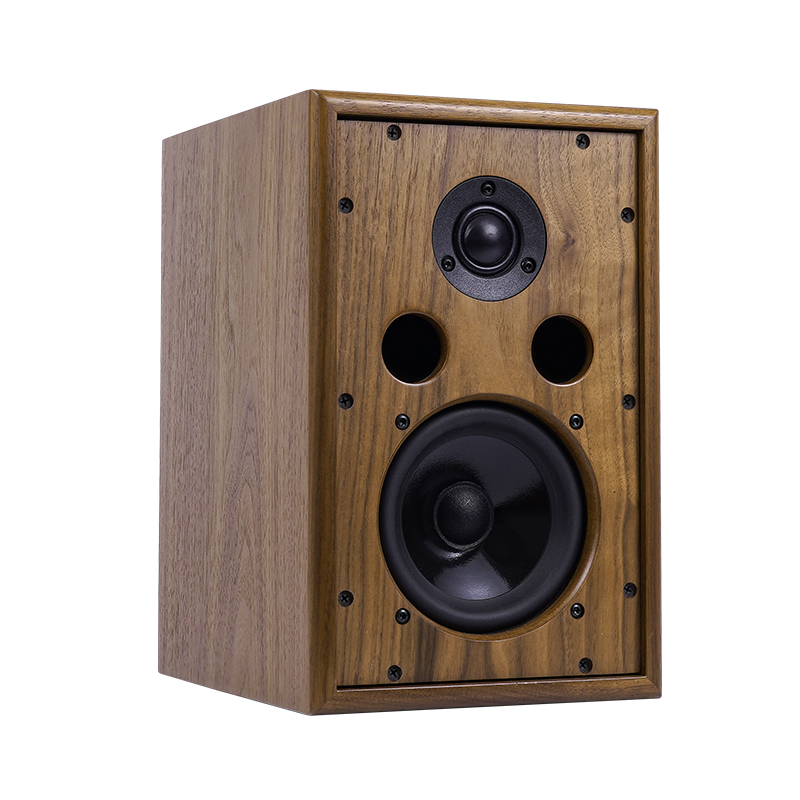
Bookshelf speakers remain popular in modern home audio because they balance room-friendly scale, a convincing stereo presentation, and installation flexibility. Buyers can place bookshelf speakers on stands, desks, or secure shelves, then build a system around a television, turntable, computer, or streaming source. That versatility makes bookshelf speakers relevant in apartments and dedicated listening rooms alike.
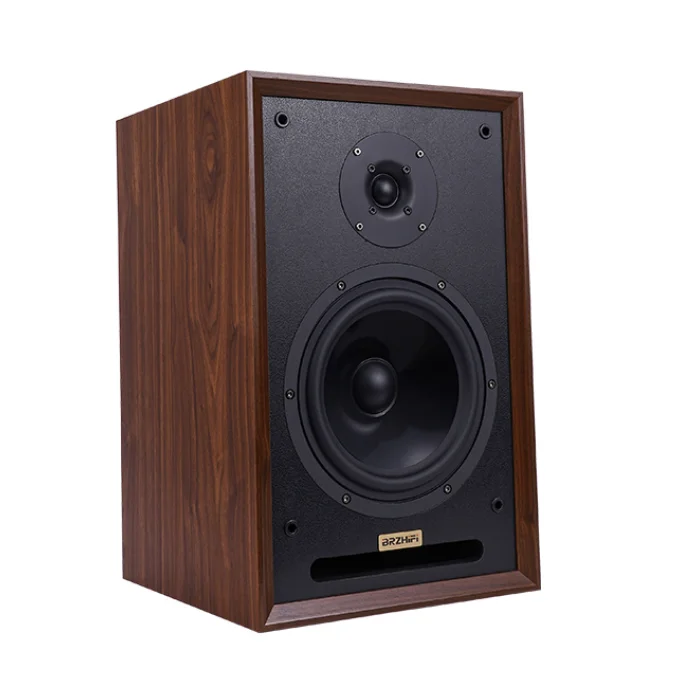
Their appeal is not simply that they are smaller than many floor-standing designs. Bookshelf speakers give listeners a practical way to choose where audio fits in the home, how the system connects, and whether it can grow over time. Understanding these reasons helps explain why bookshelf speakers continue to suit changing spaces, budgets, and everyday listening habits.
Room-friendly scale with a full stereo experience
Flexible placement for real living spaces
A major reason for their popularity is that bookshelf speakers work in rooms where large cabinets would dominate the layout. Their compact footprint can leave more space for furniture, walkways, and work areas, while a pair still creates left-right separation for music and film audio. For renters and homeowners alike, bookshelf speakers offer a manageable starting point without requiring a room redesign.
Placement options make that scale especially useful. Bookshelf speakers may sit on dedicated stands beside a media cabinet, on a desk for near-field listening, or on sturdy shelves when space is limited. The best location depends on room geometry and the speaker design, so listeners should leave suitable clearance around the cabinet and avoid unstable surfaces. Small placement adjustments can make a system easier to live with.
Stereo that suits different listening distances
A properly spaced pair can produce a clear stereo image for a person seated at a desk or across a living room. That makes bookshelf speakers useful for focused listening as well as background music during work or social time. Instead of relying on a single small device, listeners can position two separate sound sources to create a broader, more balanced presentation.
The result depends on room acoustics, listening distance, recording quality, and speaker setup, rather than size alone. Bookshelf speakers are popular because they let users experiment with these factors without committing to bulky equipment. Moving the pair slightly apart or adjusting toe-in can change the perceived soundstage, giving owners a practical way to tailor the experience to their space.
Flexible systems for changing audio habits
Compatible roles across home entertainment
Modern households use audio from several sources, and bookshelf speakers can fit into many of those routines. Depending on the system, they may serve as the main stereo pair for a turntable, a computer audio setup, or a television listening system. This multi-purpose role helps explain why bookshelf speakers appeal to buyers who want one considered setup rather than separate equipment for every activity.
Connection requirements still matter. Passive bookshelf speakers need a compatible amplifier or receiver, while powered models include amplification in the speaker cabinet and may offer direct inputs. Buyers should check the source connections, amplifier power and impedance guidance, and available controls before choosing. The bookshelf speakers format can therefore support different system plans, but the complete signal chain needs to match.
A modular system can also adapt as needs change. A listener might begin with bookshelf speakers and a basic amplifier, then add a subwoofer or improve the source later if the room and use case call for it. This is not an automatic upgrade path; compatibility and available connections should be checked first. Still, the option to build gradually is a practical attraction for many home audio buyers.
Their adaptable role is particularly useful in mixed-use rooms. Bookshelf speakers can support music playback during the day and television sound in the evening, provided the system is configured for those sources. People who work from home may value near-field listening at a desk, while households may prefer a pair positioned around a shared entertainment area. One format can serve these distinct routines without occupying the floor like larger cabinets.
Choices across formats and system needs
The category includes different cabinet sizes, driver arrangements, finishes, and connection types, so buyers can match bookshelf speakers to both practical needs and personal preferences. A smaller enclosure may suit a desktop, while a larger design may be more appropriate for a room where listeners sit farther away. Specifications help narrow options, but auditioning and checking dimensions remain useful where possible.
Passive and powered designs also answer different priorities. Passive bookshelf speakers allow the amplifier to be selected separately, which can suit people who already own compatible equipment or want a traditional stereo chain. Powered versions reduce component count and can simplify setup. Neither arrangement is universally preferable; the right choice depends on space, existing gear, desired inputs, and how much control the listener wants over system components.
Practical value beyond cabinet size
Balanced trade-offs for everyday listening
Popularity also comes from a useful balance between capability and household practicality. Bookshelf speakers are often easier to position and move than large floor-standing systems, and they can provide a more separated stereo setup than a compact all-in-one device. That middle ground fits buyers who care about sound but also need equipment to coexist with ordinary furniture and daily routines.
However, compact design has limits. Bookshelf speakers may not deliver the same low-frequency reach or effortless output in a large room as a larger system, and placement close to a wall can affect bass response. A subwoofer can extend low frequencies when the system supports one, but it adds cost, connections, and another placement decision. Recognizing these trade-offs helps buyers choose for actual room use rather than appearance alone.
Value is also shaped by longevity and flexibility, not only the initial purchase price. Bookshelf speakers can remain useful if a listener changes a source component, moves house, or repurposes a room, as long as the new setup remains compatible. Their manageable scale can make relocation less difficult, while standard system connections may allow an owner to retain other components. That practical continuity supports lasting interest.
For business buyers specifying audio for offices, meeting rooms, hospitality spaces, or demonstration areas, bookshelf speakers can offer a discreet stereo solution where appropriate. The decision should account for room size, expected coverage, mounting or stand requirements, durability, and operating hours. They are not a substitute for every distributed or high-output sound system, but their compact placement and familiar setup can suit targeted listening zones.
Room and setup decisions that protect the experience
To get useful performance from bookshelf speakers, start by measuring the available placement area and identifying the usual listening position. Check cabinet dimensions, stand height, rear-port clearance, cable routing, and access to controls before installation. These basic checks prevent a common mismatch: selecting a speaker that suits the sound preference but cannot be positioned properly in the intended room.
Then consider the room itself. Soft furnishings, reflective surfaces, open doorways, and nearby walls all influence what listeners hear, so bookshelf speakers may sound different in a showroom than at home. Allowing reasonable spacing, keeping the pair at a consistent height, and listening at the normal seat can help reveal whether the arrangement works. Small, deliberate adjustments are often more useful than assuming one placement suits every room.
FAQ
Why are bookshelf speakers so popular?
Bookshelf speakers are popular because they combine a compact footprint with stereo separation and flexible system options. They can fit desks, shelves, or stands and serve different sources, making bookshelf speakers a practical choice for varied rooms and listening routines.
Are bookshelf speakers suitable for a living room?
Yes, bookshelf speakers can work well in a living room when their output, placement, and amplification suit the room. Consider listening distance, wall clearance, and whether a subwoofer is needed. Bookshelf speakers are not automatically sufficient for every large or open space.
Do bookshelf speakers need an amplifier?
Passive bookshelf speakers require a compatible amplifier or receiver, while powered models have built-in amplification. Check the input connections and system specifications before buying. Matching bookshelf speakers to the intended sources and components helps ensure a practical, correctly configured setup.