
 EN
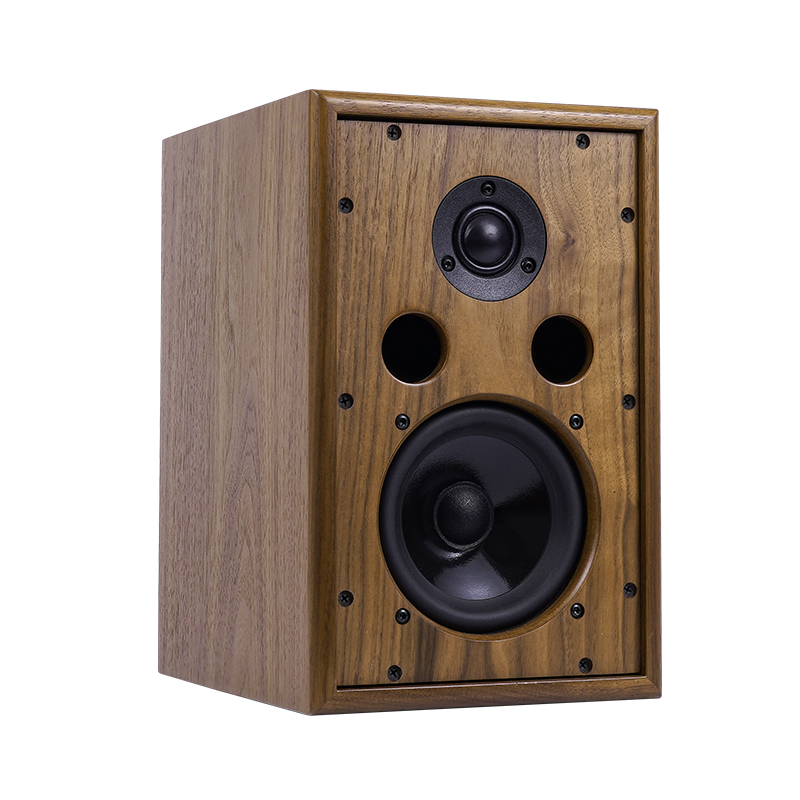
Choosing bookshelf speakers for a compact HiFi system means balancing sound, physical size, placement, and amplifier compatibility. The right choice is not simply the smallest cabinet or the model with the broadest specifications. Consider how the system will be used, how much listening space is available, and whether the speakers can work with existing equipment. These decisions help bookshelf speakers perform well in a small room without crowding the desk, shelf, or living area.
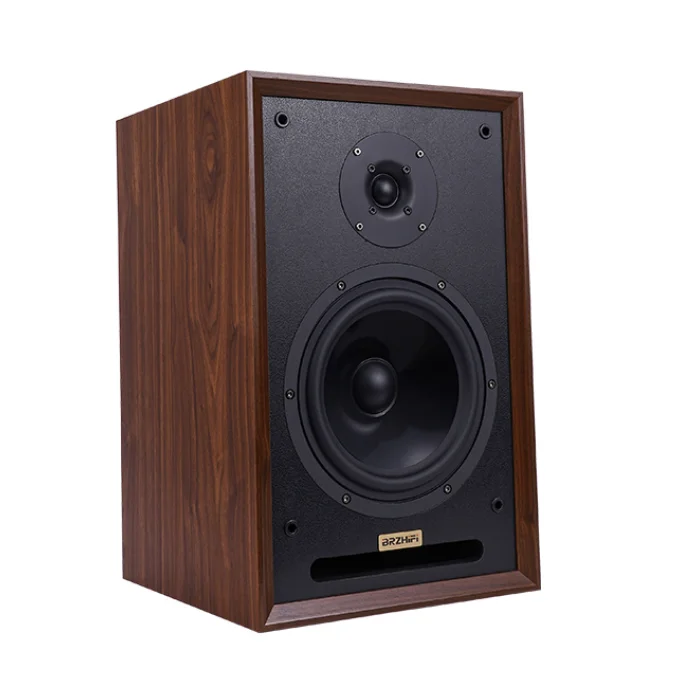
A compact setup still needs a considered match between components. Before selecting bookshelf speakers, identify the main listening position, the distance from the speakers to nearby walls, and the amplifier’s supported load and output. Those practical details often matter more than a single headline specification. This guide explains how to work through each choice, so your system fits the room and your listening habits.
Assess the room and intended listening
Match cabinet size to available space
Start by measuring the space where bookshelf speakers will sit, including height, width, and depth. Allow room for cables and any rear-facing ports, and avoid assuming that a cabinet will fit simply because its front face clears the shelf. Larger bookshelf speakers may offer a fuller presentation, but limited clearance can make placement awkward. Check dimensions against the actual furniture before comparing models.
Room size and listening distance help narrow the options. In a small office, bookshelf speakers positioned near the listener can deliver a satisfying stereo image without needing to fill a large area. In a shared living room, bookshelf speakers may need more output and flexibility to serve listeners farther away. Think about where people sit, not only the room’s total floor area.
Plan for speaker position and room boundaries
Placement affects tonal balance and stereo focus. Give bookshelf speakers some space from side walls when possible, and consider whether their rear ports will face close to a wall or cabinet. A shelf can reinforce bass or cause unwanted resonance, so a stable surface and suitable isolation may help. Small adjustments in spacing and angle can make bookshelf speakers sound more coherent from the primary seat.
Decide whether the system will sit on a desk, stand, or wall-mounted shelf. Desk reflections can color sound when bookshelf speakers are close to a hard work surface, while stands can raise tweeters nearer to ear level. Make sure each speaker has secure support and that the setup does not block ventilation around other electronics. Practical positioning prevents a compact system from becoming inconvenient in daily use.
Match the speakers to system components
Check amplifier compatibility
For passive bookshelf speakers, verify the amplifier’s supported impedance and power guidance before connecting anything. Look at the speaker’s nominal impedance and sensitivity, then consider how loudly and how far away you plan to listen. A low-sensitivity model may require more amplifier output for the same perceived level. Matching bookshelf speakers to the amplifier reduces avoidable strain and supports reliable operation.
Do not treat a maximum power rating as a target for everyday use. The amplifier should provide clean output at realistic listening levels, with enough headroom for short musical peaks. If an existing compact amplifier has limited output, choose bookshelf speakers whose sensitivity and impedance suit that equipment. Confirm the amplifier’s manual and speaker specifications rather than relying on a general rule.
Choose active or passive system architecture
Passive bookshelf speakers require a separate amplifier, giving the system owner flexibility to select or upgrade electronics. That arrangement can suit a compact HiFi system when the amplifier already provides the required inputs and power. Active bookshelf speakers include amplification in the speaker cabinet, which can reduce component count and simplify setup. Decide which approach best fits your space, budget, and preference for future changes.
Account for every connection before buying. A turntable, computer, television, or network source may need different inputs, and passive bookshelf speakers depend on an amplifier to connect those sources. Check whether a phono stage, digital input, or wireless capability is necessary elsewhere in the chain. A clear connection plan prevents a seemingly suitable pair of bookshelf speakers from leaving an important source unsupported.
Evaluate sound needs and everyday usability
Prioritize balanced performance over one specification
Specifications are useful for shortlisting, but they do not describe the complete listening experience. Frequency response, sensitivity, impedance, and driver configuration each provide context, yet they cannot predict how bookshelf speakers will interact with a particular room. Read measurements and product details carefully, then consider auditioning where practical. Listen for balanced vocals, controlled bass, and clear detail at the levels you normally use.
Bass expectations deserve special attention in a compact system. Small bookshelf speakers can be convenient, but physical size and placement influence how much low-frequency energy reaches the listening position. If music, films, or games need deeper bass, consider whether a subwoofer can be integrated and whether the amplifier supports it. Otherwise, select bookshelf speakers that provide an appropriate balance without forcing them into a role beyond their design.
Consider build, finish, and long-term fit
A speaker is part of the room as well as the audio chain. Compare cabinet dimensions, finish, grille design, and placement flexibility with the intended environment. In a desktop setup, bookshelf speakers should leave enough space for a monitor, keyboard, and everyday work. In a living area, stable cabinets and tidy cable routing can make the system easier to maintain and less intrusive.
For a product example, review the stated dimensions, connection method, and intended use of these bookshelf speakers alongside your room and amplifier requirements. Treat product descriptions as a starting point, then verify details that affect fit and compatibility. This method keeps the decision grounded in your setup rather than assumptions based on appearance alone.
Before finalizing a choice, revisit the priorities you established: available space, typical listening distance, connection needs, and desired sound balance. The best-fitting bookshelf speakers are those that work together with the room and the rest of the system. If possible, arrange a return or audition option that lets you assess placement and sound under realistic conditions. Careful evaluation makes compact HiFi choices more predictable.
FAQ
Can bookshelf speakers work well on a desk?
Yes, bookshelf speakers can suit a desk when their cabinets fit securely and their tweeters can be positioned near ear level. Leave space around the cabinets where possible, and test speaker angle and distance from the wall. Desk reflections may affect perceived clarity, so small placement changes can improve the result.
Do compact bookshelf speakers need a subwoofer?
Not always. Whether bookshelf speakers need a subwoofer depends on the desired bass depth, room, music, and listening level. If deeper low frequencies are important, check that the system can integrate a subwoofer properly. For many near-field or moderate-volume uses, a well-matched pair may be sufficient.
What should I check before connecting passive bookshelf speakers?
Check amplifier impedance guidance, speaker connections, and the intended listening level before connecting passive bookshelf speakers. Use appropriate speaker cable and follow the equipment manuals. Confirm that the amplifier is switched off during wiring, and ensure polarity is consistent at both speaker terminals.