
 EN
EN
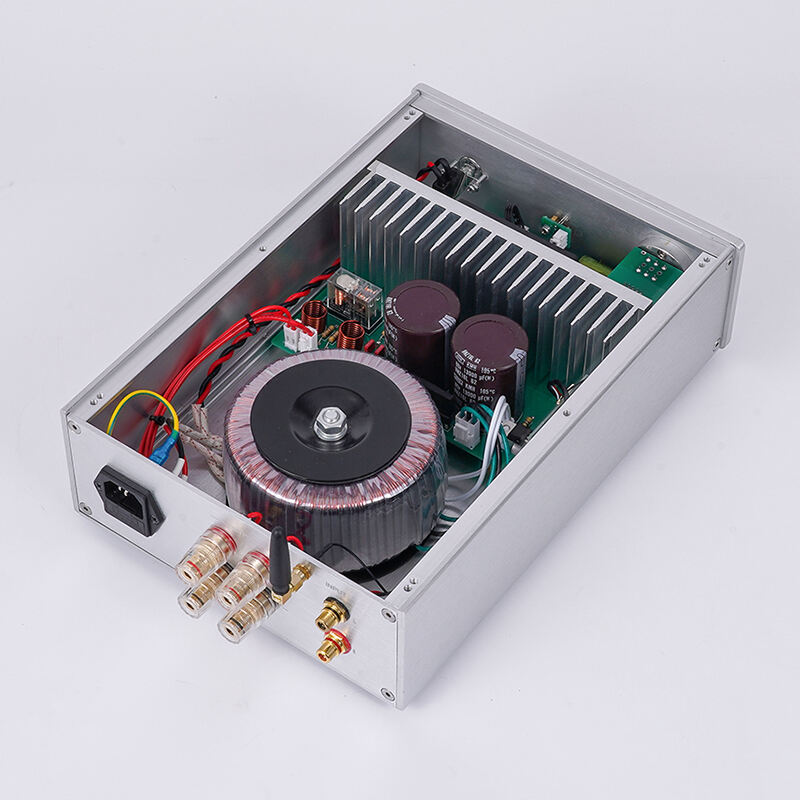
Zrozumienie tego, co czyni wzmacniacz mocy wyjątkowym, wymaga przeanalizowania specyfikacji technicznych, które odróżniają modele premium od zwykłych alternatyw. Najlepszy wzmacniacz mocy łączy w sobie doskonałe inżynierstwo, zaawansowaną elektronikę oraz precyzyjną produkcję, zapewniając nieskompromisową jakość dźwięku. Niezależnie od tego, czy budujesz wysokiej klasy system stereo, czy ulepszasz swój domowy system kinowy, rozpoznanie tych kluczowych specyfikacji pomoże Ci podjąć świadomą decyzję zakupową, odpowiadającą oczekiwanym standardom jakości dźwięku.
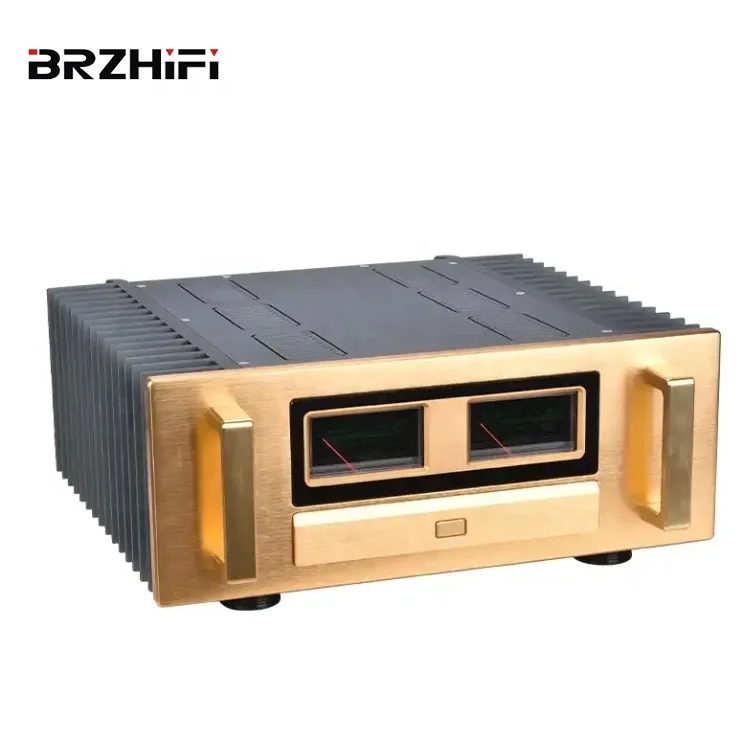
Przemysł audio nadal ewoluuje wraz z postępem technologicznym, jednak pewne podstawowe zasady pozostają niezmienne przy ocenie jakości wzmacniaczy. Inżynierowie dźwięku oraz wymagający entuzjaści konsekwentnie podkreślają konkretne parametry techniczne, które odróżniają wyjątkowe wzmacniacze od przeciętnych rozwiązań. Parametry te mają bezpośredni wpływ na dokładność odtwarzania dźwięku, zakres dynamiki oraz długotrwałą niezawodność w trudnych warunkach eksploatacyjnych.
Moc wyjściowa i charakterystyki wydajności dynamicznej
Moc RMS w porównaniu do mocy szczytowej
Najczęściej błędnie interpretowaną specyfikacją w marketingu wzmacniaczy są wartości mocy wyjściowej, przy czym producenci często podkreślają moc szczytową lub maksymalną zamiast ciągłej mocy RMS. Najlepszy wzmacniacz mocy podaje rzetelne wartości mocy RMS zmierzone w warunkach standaryzowanych, zwykle przy określonych obciążeniach impedancyjnych i zdefiniowanym poziomie całkowitego zniekształcenia harmonicznego. Ta specyfikacja ma bezpośredni związek z możliwością wzmacniacza efektywnego sterowania głośnikami bez wprowadzania niepożądanych artefaktów podczas złożonych fragmentów muzycznych.
Wartości mocy szczytowej, choć imponujące na kartach technicznych, rzadko odzwierciedlają rzeczywiste możliwości działania w praktyce. Wzmacniacze wysokiej jakości utrzymują swoje nominalne moce wyjściowe przez dłuższy czas, zapewniając spójną wydajność podczas dynamicznych treści muzycznych. Zrozumienie tej różnicy pomaga konsumentom uniknąć zakupu wzmacniaczy, które wydają się potężne na papierze, ale nie są w stanie zapewnić trwałej wydajności przy wymagających obciążeniach głośników.
Dostawa prądu i stabilność obciążenia
Obecna zdolność dostarczania mocy stanowi kolejny kluczowy czynnik odróżniający wzmacniacze premium od modeli standardowych. Najlepszy wzmacniacz mocy zapewnia stabilną pracę przy różniących się obciążeniach impedancyjnych – od 2 do 8 omów – bez istotnego spadku mocy ani aktywacji ochrony termicznej. Ta cecha okazuje się niezbędna podczas obsługi złożonych systemów głośnikowych, których impedancja zmienia się w zależności od zakresu częstotliwości.
Testy stabilności obciążenia ujawniają, jak dobrze wzmacniacz radzi sobie z rzeczywistymi impedancjami głośników, które rzadko pozostają stałe w całym zakresie słyszalnym. Wzmacniacze premium są wyposażone w solidne konstrukcje zasilania oraz topologię stopnia wyjściowego, które zapewniają stałą wydajność niezależnie od zmian połączonych obciążeń, gwarantując optymalną kontrolę nad głośnikami oraz zachowanie wysokiej jakości dźwięku.
Analiza stosunku sygnału do szumu oraz zniekształceń
Normy dotyczące stosunku sygnału do szumu
Specyfikacje stosunku sygnału do szumu dostarczają kluczowych informacji na temat charakterystyki szumów tła wzmacniacza, co bezpośrednio wpływa na ogólną jakość dźwięku oraz doświadczenie słuchowe. Najlepszy wzmacniacz mocy osiąga stosunek sygnału do szumu przekraczający 100 decybeli, zapewniając, że szumy tła pozostają niezauważalne w normalnych warunkach odsłuchu. Parametr ten nabiera szczególnej wagi w systemach audio wysokiej rozdzielczości, w których subtelne detale muzyczne muszą wyraźnie oddzielać się od całkowicie cichego tła.
Metodologia pomiaru ma istotny wpływ na podawane w dokumentacji wartości stosunku sygnału do szumu; pomiary z wagą A dostarczają bardziej istotnych danych dotyczących postrzegania dźwięku przez człowieka. Producentom wysokiej klasy podają one warunki pomiaru, w tym ograniczenia pasma i krzywe wagowe, umożliwiając konsumentom dokonywanie rzetelnych porównań pomiędzy różnymi modelami i markami wzmacniaczy.
Charakterystyki całkowitego zniekształcenia harmonicznego
Pomiary całkowitego zniekształcenia harmonicznego ujawniają, jak dokładnie wzmacniacz odtwarza sygnały wejściowe bez dodawania niepożądanej zawartości harmonicznej. najlepszy wzmacniacz mocy wzmacniacz utrzymuje poziom zniekształceń poniżej 0,01 procenta w całym zakresie pracy, zachowując wierność odtwarzania muzyki i zapobiegając zmęczeniu słuchacza podczas długotrwałych sesji słuchania. Specyfikacja ta ma szczególne znaczenie w zastosowaniach hi-fi, gdzie czystość dźwięku ma pierwszeństwo nad maksymalną mocą wyjściową.
Analiza zniekształceń zależnych od częstotliwości dostarcza dodatkowych informacji na temat wydajności wzmacniacza, ujawniając, jak zmieniają się charakterystyki zniekształceń w całym zakresie słyszalnym. Wzmacniacze premium utrzymują stałe, niskie poziomy zniekształceń – od głębokich tonów basowych po rozszerzony zakres wysokich tonów – zapewniając jednolitą jakość dźwięku niezależnie od złożoności treści muzycznej lub rozkładu częstotliwości.
Charakterystyka częstotliwościowa i szerokość pasma
Pełny zakres działania częstotliwościowego
Specyfikacje odpowiedzi częstotliwościowej wskazują, jak jednorodnie wzmacniacz odtwarza sygnały w całym zakresie słyszalnym i poza nim. Najlepszy wzmacniacz mocy zapewnia płaską odpowiedź od wartości poniżej 20 Hz do znacznie powyżej 20 kHz, często sięgając nawet 100 kHz lub więcej, aby zachować informacje o przebiegach wysokoczęstotliwościowych. Rozszerzona szerokość pasma gwarantuje wierną reprodukcję złożonych fal muzycznych bez przesunięć fazowych ani zmian amplitudy, które mogłyby wpłynąć na jakość dźwięku.
Charakterystyki odpowiedzi fazowej, choć rzadziej publikowane, mają istotny wpływ na kształtowanie sceny dźwiękowej oraz dokładność czasową. Wzmacniacze premium wykorzystują układy obwodów minimalizujące przesunięcia fazowe w całym zakresie audio, zachowując relacje przestrzenne i czasowe niezbędne do realistycznej reprodukcji dźwięku w systemach audio klasy high-end.
Szybkość narastania i odpowiedź impulsowa
Specyfikacje szybkości narastania (slew rate) określają, jak szybko wzmacniacz reaguje na szybko zmieniające się sygnały wejściowe, co bezpośrednio wpływa na jego zdolność do wiernego odtwarzania ostro zdefiniowanych impulsów oraz dynamicznych fragmentów muzycznych. Najlepsze wzmacniacze mocy osiągają szybkość narastania przekraczającą 20 woltów na mikrosekundę, zapewniając dokładne odtwarzanie instrumentów perkusyjnych, ataków fortepianu oraz innych treści muzycznych bogatych w impulsy – bez rozmywania ani zaokrąglania charakterystyki ataku.
Pomiary czasu narastania uzupełniają specyfikacje szybkości narastania, wskazując, jak szybko wzmacniacz osiąga pełną moc wyjściową w odpowiedzi na skokowe zmiany sygnału wejściowego. Krótki czas narastania przyczynia się do lepszego wyodrębniania szczegółów oraz wzmocnienia poczucia rytmu muzycznego, co jest szczególnie istotne przy odtwarzaniu złożonych utworów orkiestralnych oraz nowoczesnych nagrań o szerokim zakresie dynamiki.
Topologia obwodu i jakość komponentów
Praca klasa A a praca klasa AB
Klasa pracy znacząco wpływa na jakość dźwięku i charakterystyki sprawności wzmacniacza; projekty klasy A zapewniają wyższą liniowość, ale kosztem sprawności cieplnej. Najlepsze wzmacniacze mocy często pracują w czystej klasie A przy sygnałach o niskim poziomie, przełączając się na klasę AB przy wyższych poziomach mocy wyjściowej, aby osiągnąć równowagę między jakością dźwięku a praktycznymi wymaganiami zarządzania ciepłem.
Wzmacniacze klasy A utrzymują oba urządzenia wyjściowe w stanie przewodzenia przez cały cykl sygnału, eliminując zniekształcenia przejściowe, ale generując znaczne ilości ciepła. Takie podejście projektowe wymaga skutecznego zarządzania ciepłem i zwykle ogranicza maksymalną możliwą moc wyjściową, co czyni je najbardziej odpowiednimi do zastosowań, w których priorytetem jest jakość dźwięku, a nie maksymalna moc wyjściowa.
Wybór komponentów i jakość wykonania
Jakość komponentów wewnętrznych ma bezpośredni wpływ na długotrwałą niezawodność i jakość dźwięku; najwydajniejsze wzmacniacze wykorzystują rezystory klasy wojskowej, kondensatory wysokiej jakości oraz dobrze dopasowane elementy półprzewodnikowe. Najlepszy wzmacniacz mocy zawiera komponenty o parametrach znacznie przekraczających ich wymagania eksploatacyjne, zapewniając stabilną pracę przy zmianach temperatury oraz długą żywotność w warunkach ekstremalnego obciążenia.
Projekt zasilania stanowi kolejny kluczowy obszar, w którym jakość komponentów wpływa na ogólną wydajność. Wzmacniacze premium są wyposażone w nadmiernie duże transformatory, kondensatory filtrujące o dużej pojemności oraz zasilacze ze stabilizowanym napięciem, które zapewniają stabilną pracę niezależnie od wahania napięcia sieciowego lub zmian obciążenia.
Zarządzanie termicznym i systemy ochrony
Projekt odprowadzania ciepła
Skuteczne zarządzanie temperaturą zapewnia stałą wydajność i zapobiega degradacji komponentów w wzmacniaczach wysokiej mocy. Najlepszy wzmacniacz mocy zawiera znaczne odprowadzanie ciepła, chłodzenie wymuszone powietrzem lub zaawansowane techniki projektowania termicznego, które utrzymują bezpieczne temperatury pracy nawet w trakcie długotrwałej pracy przy wysokim poziomie mocy wyjściowej. To zarządzanie temperaturą ma bezpośredni wpływ na trwałość wzmacniacza oraz zapobiega pogorszeniu jego parametrów podczas nagrzewania się komponentów w trakcie eksploatacji.
Specyfikacje współczynnika temperaturowego wskazują, w jaki sposób parametry wzmacniacza zmieniają się wraz z temperaturą pracy; w rozwiązaniach premium charakterystyki pozostają stabilne w całym zakresie temperatur roboczych. Ta stabilność zapewnia spójną jakość dźwięku niezależnie od warunków otoczenia ani czasu trwania pracy.
Integracja obwodu ochronnego
Kompleksowe systemy ochrony chronią zarówno wzmacniacz, jak i podłączone głośniki przed uszkodzeniem spowodowanym awariami lub błędami operatora. Najlepsze wzmacniacze mocy wyposażone są w ochronę przed przesunięciem prądu stałego (DC offset), automatyczne wyłączenie przy przegrzaniu, ograniczanie prądu nadmiernego oraz obwody ochrony głośników, które działają niezauważalnie w warunkach normalnej pracy, zapewniając jednocześnie niezawodną ochronę w sytuacjach awaryjnych.
Filozofia projektowania obwodów ochronnych różni się u poszczególnych producentów: niektórzy kładą nacisk na maksymalny poziom ochrony, inni zaś priorytetem mają przejrzystość dźwiękową. Wzmacniacze premium osiągają oba te cele dzięki zaawansowanym rozwiązaniom ochronnym, które monitorują wiele parametrów, zachowując przy tym integralność ścieżki sygnału podczas normalnej pracy.
Czułość wejściowa i struktura wzmocnienia
Charakterystyki impedancji wejściowej
Specyfikacje impedancji wejściowej określają zgodność z różnymi komponentami źródłowymi oraz wpływają na poziom szumów systemu. Najlepszy wzmacniacz mocy charakteryzuje się wysoką impedancją wejściową, zwykle wynoszącą 47 kΩ lub więcej, zapewniając minimalne obciążenie komponentów źródłowych przy jednoczesnym utrzymaniu doskonałej wydajności stosunku sygnału do szumu. Ta wysoka impedancja zmniejsza również podatność na skutki pojemności kabli i umożliwia stosowanie dłuższych kabli międzymaszynowych bez degradacji sygnału.
Zrównoważone konfiguracje wejść oferują dodatkowe zalety w zastosowaniach profesjonalnych oraz w wysokiej klasy sprzęcie konsumenckim, zapewniając lepsze odrzucanie zakłóceń oraz umożliwiając dłuższe długości kabli bez pogorszenia jakości działania. Wzmacniacze premium często wyposażone są zarówno w wejścia zrównoważone, jak i niezrównoważone, z odpowiednim dopasowaniem impedancji dla każdego typu połączenia.
Optymalizacja struktury wzmocnienia
Poprawna struktura wzmocnienia zapewnia optymalną wydajność pod względem stosunku sygnału do szumu oraz wystarczającą czułość dla różnych komponentów źródłowych. Najlepszy wzmacniacz mocy oferuje regulowane ustawienia wzmocnienia lub wiele opcji czułości, umożliwiając zoptymalizowanie systemu pod kątem różnych poziomów wyjściowych źródeł i klasyfikacji efektywności głośników.
Specyfikacje iloczynu wzmocnienia i pasma wskazują, jak wzmocnienie wzmacniacza zmienia się wraz z częstotliwością, co wpływa na stabilność i wydajność w zakresie wysokich częstotliwości. Wzmacniacze premium zapewniają stałe wzmocnienie w całym zakresie słyszalnym, gwarantując jednolitą odpowiedź częstotliwościową niezależnie od poziomu lub złożoności sygnału wejściowego.
Często zadawane pytania
Jaka moc znamionowa powinien mieć dobry wzmacniacz?
Odpowiedni zakres mocy zależy od wydajności głośników oraz preferencji słuchowych, a nie po prostu od wybrania najwyższej dostępnej mocy wyrażonej w watach. Najlepszy wzmacniacz mocy zapewnia moc o 20–50% większą niż zalecana minimalna moc dla Twoich głośników, co zapewnia wystarczającą rezerwę mocy na dynamiczne szczyty bez obciążenia układu. Należy brać pod uwagę ciągłe wartości RMS, a nie parametry mocy szczytowej, oraz upewnić się, że wzmacniacz jest w stanie utrzymać swoje nominalne wyjście przy impedancji Twoich głośników.
Jakie znaczenie ma stosunek sygnału do szumu przy doborze wzmacniacza?
Stosunek sygnału do szumu wpływa bezpośrednio na słyszalność szumów tła, co jest szczególnie istotne w cichych środowiskach słuchowych lub przy użyciu głośników o wysokiej wydajności. Najlepszy wzmacniacz mocy osiąga stosunek sygnału do szumu powyżej 100 dB, zapewniając niesłyszalność szumów tła w normalnych warunkach pracy. Wyższe wartości tego stosunku stają się coraz bardziej istotne w systemach przeznaczonych do krytycznego słuchania lub zastosowań profesjonalnego monitoringu, gdzie poziom szumów tła wpływa na postrzeganą jakość dźwięku.
Czy klasa wzmacniacza znacząco wpływa na jakość dźwięku
Klasa wzmacniacza wpływa zarówno na cechy dźwiękowe, jak i na sprawność; konstrukcje klasy A zapewniają doskonałą liniowość przy niższej sprawności. Najlepszy wzmacniacz mocy stanowi kompromis między jakością dźwięku a praktycznymi czynnikami, takimi jak generowanie ciepła i pobór mocy. Konstrukcje klasy AB zapewniają doskonały kompromis w większości zastosowań, podczas gdy tryb pracy klasy A jest korzystny w zastosowaniach, w których najwyższa jakość dźwięku uzasadnia zwiększone zużycie mocy oraz wyższe wymagania dotyczące zarządzania ciepłem.
Jakie poziomy zniekształceń wskazują na wysoką jakość działania wzmacniacza
Całkowite zniekształcenie harmoniczne poniżej 0,01% w całym zakresie pracy wzmacniacza wskazuje na doskonałą wydajność, odpowiednią do zastosowań wymagających krytycznego słuchania. Najlepszy wzmacniacz mocy utrzymuje te niskie poziomy zniekształceń od minimalnej do maksymalnej mocy wyjściowej, zapewniając czystą reprodukcję dźwięku niezależnie od poziomu głośności odtwarzania. Należy uwzględnić zarówno specyfikację THD (całkowitego zniekształcenia harmonicznego), jak i specyfikację zniekształceń intermodulacyjnych, ponieważ oba parametry wpływają na postrzeganą jakość dźwięku oraz komfort słuchania podczas długotrwałych sesji.
Spis treści
- Moc wyjściowa i charakterystyki wydajności dynamicznej
- Analiza stosunku sygnału do szumu oraz zniekształceń
- Charakterystyka częstotliwościowa i szerokość pasma
- Topologia obwodu i jakość komponentów
- Zarządzanie termicznym i systemy ochrony
- Czułość wejściowa i struktura wzmocnienia
- Często zadawane pytania