
 EN
EN
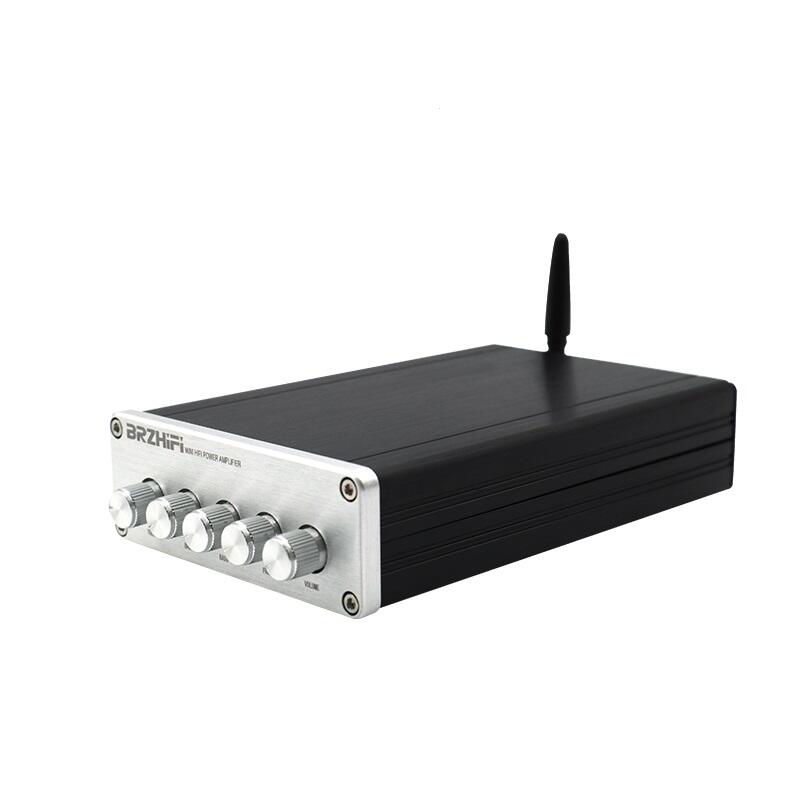
Постигнувањето на постојано качество на излезот во фабрика за моќностни појачувачи бара софистицирани производствени процеси, строги протоколи за тестирање и напредни системи за контрола на квалитетот. Производителите на современа аудио опрема се соочуваат со растечка побарувачка за доверливи, високо перформантни појачувачи кои обезбедуваат униформна репродукција на звук низ целиот производствен тек. Предизвикот лежи во одржувањето на прецизни електрични спецификации при зголемување на производството за да се задоволи побарувачката на пазарот, без компромис со верноста на звукот или долготрајната доверливост.
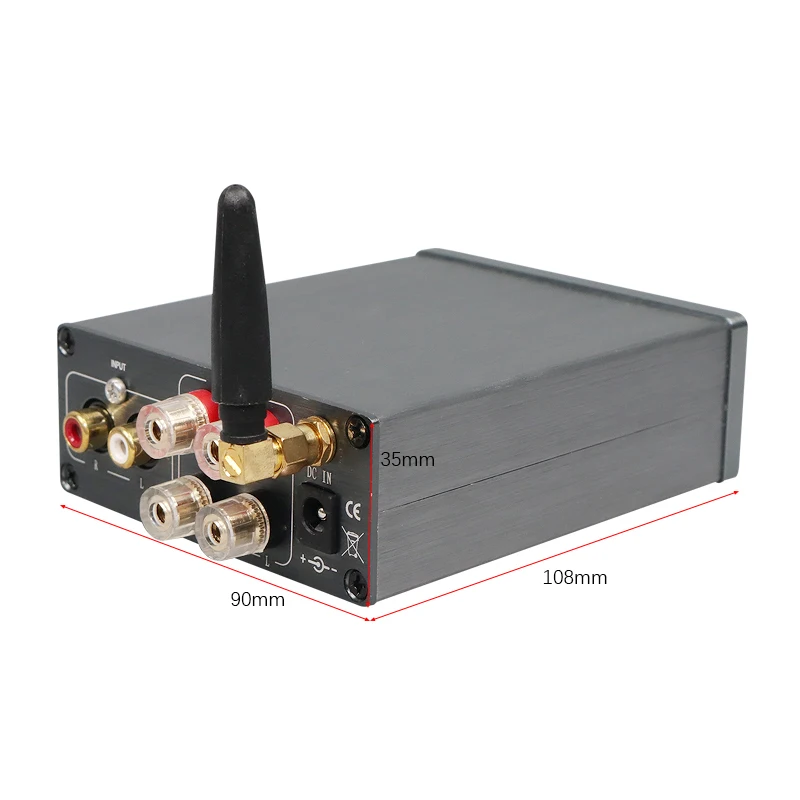
Конзистентноста во производството на аудио опрема директно влијае врз задоволството на клиентите, трошоците за гаранција и репутацијата на брендот. Кога фабриката за моќни појачувачи ќе имплементира комплексни мерки за контрола на квалитетот, таа осигурува дека секој уред ги исполнува идентичните стандарди за перформанси, што ги намалува неуспехите во употреба и ја одржува довербата на клиентите. Овие производствени објекти мора да балансират ефикасност со прецизност, создавајќи производи кои имаат идентични перформанси, било да излегуваат од производствената линија на првиот или на стотиот ден од еден производствен циклус.
Стандардизација на производствениот процес
Избор и набавка на компоненти
Успешната фабрика за моќностни појачувачи започнува контрола на конзистентноста на ниво на компоненти, со воспоставување строги стандарди за набавка на сите електронски делови. Менаџерите за квалитет воведуваат програми за квалификување на доставувачи кои ги проценуваат доставувачите врз основа на способностите за статистичка контрола на процесот, опсегот на толеранции на компонентите и доверливоста во испораката. Овие објекти водат список на одобрени доставувачи со резервни доставувачи за спречување на прекини во производството, додека осигуруваат конзистентно качество на компонентите во сите производствени серии.
Напредните објекти користат протоколи за влезна инспекција кои тестираат случајни примероци од секоја испорака на компоненти, потврдувајќи ги електричните спецификации пред деловите да влезат во производствената понуда. Овој пристап спречува дефектни компоненти да влезат во процесот на собирање, намалувајќи ги квалитетските проблеми надолу по текот и одржувајќи конзистентност на излезот. Тимовите за набавка работат блиску со доставувачите за воспоставување долготрајни партнёрства кои ставаат акцент на стабилноста на квалитетот, а не само на намалувањето на трошоците.
Конфигурација на линијата за собирање
Современите работници во фабриките за производство на моќни појачувачи користат стандардизирани постапки за монтажа кои елиминираат варијабилноста во производствените процеси. Инженерите за производство развиваат детални упатства за работа кои го наведуваат точното поставување на компонентите, техниките за лемење и редоследот на монтажата, за да се осигура идентична изградба на сите единици. Овие стандардизирани постапки вклучуваат специфични барања за алати, профили на температура за операциите на лемење и временски ограничувања за секој чекор од монтажата.
Автоматизираната опрема за монтажа игра клучна улога во одржувањето на конзистентноста, при што машините за подигање и поставување се програмирани да постигнат прецизно поставување на компонентите во строги толерантни опсези. Човечките оператори добиваат интензивно обуку за стандардизираните постапки, со редовни повторни сесии за одржување на нивото на вештини и придржување кон квалитетните протоколи. Комбинацијата од автоматизација и обучено персонал создава производствена средина во која конзистентноста на излезот станува предвидлива и мерлива.
Протоколи за тестирање на контрола на квалитетот
Процедури за тестирање во текот на производството
Ефикасната контрола на квалитетот во фабрика за моќностни појачувачи вклучува тестирање на повеќе производствени фази, наместо да се потпира исклучиво на конечно испитување. Тестирањето во текот на производството ги открива потенцијалните проблеми рани во производствениот циклус, спречувајќи дефектни единици да напредуваат низ скапите чекори на собирање. Овие меѓусебни точки за тестирање обично вклучуваат верификација на напојувањето, проверки на функционалноста на појачувачката фаза и прелиминарни мерки на перформансите.
Распоредите за калибрација на испитната опрема осигуруваат точност на мерењата низ целиот производствен процес, при што автоматизираните испитни системи се програмирани да одбиваат единици кои не влегуваат во предодредените граници на спецификациите. Системите за собирање на податоци следат резултатите од испитувањата за статистичка анализа, што овозможува на тимовите за квалитет да ги идентификуваат трендовите и да спроведат корективни акции пред проблемите да засегнат поголеми количини производство. Овој проактивен пристап значително го намалува варијацијата во перформансите на крајниот производ.
Валидација на крајните перформанси
Компрехензивното конечно испитување претставува последна можност за една фабрика за снаговни амплификатори за да се осигура согласност на излезот пред испорака на производите до клиентите. Овие тест процедури ги проценуваат сите критични параметри на перформансите, вклучувајќи ја излезната моќ, фреквенцискиот одговор, вкупната хармониска дисторзија и термалната стабилност под различни услови на оптоварување. Автоматизираната тест-опрема ги извршува овие мерења брзо и точно, генерирајќи детални извештаи за секоја единица кои покажуваат соодветност со спецификациите.
Техниките за статистичка контрола на процесот анализираат тест-податоците за да се идентификуваат варијациите во производството кои можат да укажуваат на поместување на опремата или промени во процесот. Тимовите за контрола на квалитетот ги поставуваат контролните граници врз основа на историските податоци за перформансите, што ги активира истражувањата кога мерењата ќе се приближат до овие граници. Овој систематски пристап овозможува на објектите да одржуваат строга контрола врз карактеристиките на излезот, додека истовремено ги идентификуваат можностите за континуирано подобрување на производствените процеси.
Калибрирање и одржувanje на опремата
Точност на мерната система
Одржувањето на точноста на мерењата во текот на производството бара систематски програми за калибрација на сите испитни и мерни уреди кои се користат во фабриката за производство на моќностни појачувачи. Распоредите за калибрација следат индустриски стандарди и препораки од производителите на опремата, со проследливи референци на националните мерни стандарди што осигуруваат точност низ целиот производствен објект. Овие програми вклучуваат захтеви за документација кои го демонстрираат проследливоста на мерењата за потребите на квалитетските ревизии и прашањата од страна на клиентите.
Контролите на околината во тестните области одржуваат стабилни услови на температура и влажност што можат да влијаат врз точноста на мерењата и перформансите на производот. Посебните лаборатории за калибрација обезбедуваат контролирани средини за прецизни мерења, додека тестните станици на производствената линија се подложени на редовни проверки за осигурување на нивната постојана точност. Овој повеќеслоен пристап спречува отстапување во мерењата од влијание врз одлуките за контрола на квалитетот и го одржува довербата во резултатите од тестирањето.
Поверливост на производствената опрема
Програмите за превентивно одржување на производствената опрема осигуруваат постојани услови за производство во текот на работата на фабриката за производство на моќностни појачувачи. Овие програми вклучуваат редовни распореди за инспекции, интервали за замена на компоненти и процедури за верификација на перформансите кои спречуваат деградација на опремата да влијае врз квалитетот на производите. Техничарите за одржување добиваат специјализирано обуку за работа со опремата и за процедури за нејзино прилагодување, за да се одржат оптималните карактеристики на перформансите.
Системите за надзор на опремата следат клучни показатели за перформанси, како што се стабилноста на температурата, точноста на позиционирањето и временските циклуси, за да ги идентификуваат потенцијалните проблеми пред да влијаат врз квалитетот на производството. Техниките за предвидлива одржувачка активност анализираат трендовите во перформансите на опремата за да се распоредат активностите за одржување во текот на планираното неработно време, со што се минимизираат прекините во производството, а истовремено се осигуруваат постојани услови за производство. Овој проактивен пристап го намалува веројатноста од квалитетни варијации поврзани со опремата, што влијае врз согласноста на излезот.
Воведување на статистичка контрола на процесот
Собирање и анализа на податоци
Современите операции на фабриките за производство на моќни појачувачи се потпираат на комплексни системи за собирање на податоци кои ги следат мерките за перформанси низ целиот процес на производство. Овие системи автоматски ги запишуваат резултатите од тестовите, условите на околината и параметрите на производството во централизирани бази на податоци, што овозможува статистичка анализа и идентификација на трендови. Инженерите за квалитет ги користат овие податоци за пресметување на индексите за способност на процесот и за идентификација на изворите на варијација кои би можеле да влијаат врз конзистентноста на излезот.
Контролните дијаграми обезбедуваат визуелна претстава на перформансите на процесот со текот на времето, нагласувајќи кога мерките се приближуваат до контролните граници или покажуваат необични шеми. Софтверот за статистичка анализа ги открива корелациите помеѓу променливите на процесот и перформансите на производот, што овозможува целосно насочени подобрувања кои намалуваат варијацијата на излезот. Овој заснован на податоци пристап трансформира контролата на квалитетот од реагирање на проблеми во проактивна оптимизација на процесот.
Иницијативи за континуирано подобрување
Успешните фабрички операции за производство на моќностни појачувачи имплементираат систематски пристапи кон континуирано подобрување што се засноваат на податоците од статистичката контрола на процесот. Тимовите за подобрување на квалитетот ги анализираат податоците за перформансите на процесот за да ги идентификуваат можностите за намалување на варијацијата и подобрување на конзистентноста. Овие иницијативи често вклучуваат мултифункционални тимови кои се состојат од работници од производството, инженерите и кадрите за квалитет, кои заедно работат за имплементација на ефикасни решенија.
Проектите за подобрување следат структурирани методологии како што се Шест Сигма или принципите на лин производство за да се осигура систематски пристап кон решавање на проблемите. Документирањето на активностите за подобрување создава институционално знаење кое спречува враќање на претходните нивоа на перформанси и обезбедува насоки за идни проекти за подобрување. Редовните состаноци за преглед следат напредокот на иницијативите за подобрување и поставуваат нови цели врз основа на менувачките барања на клиентите или пазарните услови.
Системи за контрола на животната средина
Контрола на температурата и влажноста
Условите на околината значително влијаат врз производствените процеси и перформансите на производот во фабрика за производство на моќностни појачувачи. Промените во температурата можат да влијаат врз вредностите на компонентите, квалитетот на лемењето и толеранциите при собирањето, додека нивоата на влажност влијаат врз ризиците од електростатички отвор и процедурите за ракување со компонентите. Системите за контрола на климата одржуваат стабилни услови на околината низ сите производствени области, со системи за надзор кои известуваат на персоналот за одстапувања од оптималните опсези.
Различните производствени области можат да бидат потребни од специфични услови на околината, засновани на чувствителноста на производствените процеси или компонентите што се обработуваат. Чистите соби за чувствителна електронска сборка обезбедуваат контролирани нивоа на честички и шеми на циркулација на воздухот кои спречуваат замрљување. Овие специјализирани средини осигуруваат конзистентни производствени услови кои придонесуваат за униформни перформанси на производот низ сите производствени серии.
Контрола на електромагнетните сметки
Производствените објекти за производство на моќни појачувачи мора да го контролираат електромагнетното забрзување кое може да влијае како врз работата на опремата за производство, така и врз точноста на тестирањето на производите. Опремените со штитови тестни средини спречуваат надворешното забрзување да влијае врз чувствителните мерења, додека во производствените зони се имплементираат системи за заземјување и мерки за електромагнетна совместливост. Овие контроли осигуруваат дека резултатите од тестирањето точно го одразуваат перформансот на производот, а не ефектите од надворешното забрзување.
При дизајнирањето на објектот се земаат предвид разни аспекти, меѓу кои и распоредот на опремата кој минимизира електромагнетно спојување помеѓу тест-станиците со висока моќност и чувствителната мерна опрема. Редовните истражувања на електромагнетната средина ги идентификуваат потенцијалните извори на забрзување и потврдуваат ефикасноста на применетите контролни мерки. Овој систематски пристап ја одржува точноста на мерењата и спречува лажни резултати од тестирањето кои би можеле да компромитираат одлуките во рамките на контролата на квалитетот.
Управување со квалитетот во снабдувачката верига
Осигурување на квалитетот од страна на снабдувачите
Одржувањето на конзистентноста на излезот во фабрика за моќностни појачувачи бара тесна соработка со доставувачите на компоненти за да се осигура дека квалитетот на влезните материјали ги исполнува производствените барања. Програмите за обезбедување квалитет од страна на доставувачите утврдуваат јасни спецификации, процедури за инспекција и метрики за перформанси кои доставувачите мора да ги исполнат за да останат квалификувани. Овие програми вклучуваат редовни ревизии на објектите и системите за квалитет на доставувачите за верификација на нивната способност и напорите за континуирано подобрување.
Активностите за развој на доставувачите помагаат на доставувачите да ги подобрат своите процеси и системи за квалитет за подобро задоволување на барањата на фабриката за моќностни појачувачи. Техничката соработка помеѓу инженерските тимови овозможува на доставувачите да ги разберат барањата за примена и да ги оптимизираат своите производи според специфичните потреби на производството. Долготрајните односи со доставувачите, изградени врз меѓусебни цели за квалитет, создаваат стабилни вериги за снабдување кои го потпираат конзистентниот производствен излез.
Проверка на Придобивките Материјали
Комплексните програми за влезна контрола потврдуваат дека сите компоненти ги исполнуваат спецификациите пред да влезат во производствената запаса. Овие програми балансираат трошоците за контрола со квалитетските ризици, користејќи статистички планови за примерок кои обезбедуваат доволни нивоа на доверба, при тоа одржувајќи ефикасни операции за прием на материјали. Резултатите од контролата се враќаат кон доставувачите за постојано подобрување и даваат рано предупредување за можни квалитетски проблеми.
Напредните техники за контрола можат да вклучат автоматизирана оптичка контрола за површински монтирани компоненти, електрични тестирања за критични делови и скрининг на еколошки стресови за верификација на постојаноста. Системите за проследливост на материјалите водат записи за резултатите од контролата и информациите за лотот од доставувачите низ целиот производствен процес. Ова документација ја поддржува анализа на основните причини кога настанат квалитетски проблеми и овозможува целосни коригирачки мерки што спречуваат повторно појавување на проблемите.
Обука и развој на работната сила
Развивање на вештините на операторите
Последователниот излез од фабриката за производство на моќностни појачувачи значително зависи од вештините и знаењата на работниците во производството на сите нивоа. Компрехензивните програми за обука осигуруваат дека операторите ги разбираат како техничките барања на нивната работа, така и квалитетните последици од нивните дејства. Почетната обука ги покрива основните процедури, барањата за безбедност и стандардите за квалитет, додека континуираната обука се занимава со новите технологии и подобрувањата на процесите.
Практичната обука со вистински производствени уреди им обезбедува на операторите практично искуство под контролирани услови пред да започнат самостојна работа. Програмите за сертификација потврдуваат дека персоналот ги демонстрирал компетенциите во критичните вештини пред да преземе одговорност за производствените операции. Редовната повторна обука ја одржува нивото на вештини и ги воведува ажурираните процедури или барања за квалитет како што се спроведуваат.
Развивање на култура на квалитет
Изградбата на силна култура на квалитет низ целата организација на фабриката за моќностни појачувачи бара ангажман на водството и вклученост на вработените на сите нивоа. Програмите за свест за квалитет помагаат на персоналот да разбере како нивните поединечни придонеси влијаат врз вкупната согласност на производот и задоволството на клиентите. Програмите за признаење ги наградуваат вработените кои идентификуваат подобрувања на квалитетот или спречуваат потенцијални проблеми со упорна внимателност кон постапките.
Меѓусекторските тимови, кои вклучуваат персонал од производството, инженерството и контролата на квалитетот, заедно работат на проекти за подобрување што ја зголемуваат согласноста на излезот. Овие колаборативни напори градат разбирање на барањата за квалитет помеѓу одделите и создаваат заедничка одговорност за целите во областа на квалитетот. Редовната комуникација за перформансите во областа на квалитетот и иницијативите за подобрување ја одржува фокусираноста врз целите за согласност низ целиот организација.
ЧПЗ
Каква улога игра автоматизацијата во одржувањето на согласноста на излезот од моќностните појачувачи
Автоматизацијата значително го подобрува согласноста на излезот со елиминирање на човечката променливост во повторливите производствени процеси. Автоматизираната опрема за собирање обезбедува прецизно поставување на компонентите, согласни параметри за лемење и повторливо временско траење на процесот, што човечките оператори не можат да го постигнат. Сепак, успешната автоматизација бара внимателно програмирање, редовна калибрација и стручни техничари за одржување на оптималната перформанса. Комбинацијата од автоматизација за задачи што барaat прецизност и човечки оператори за комплексно собирање и одлуки за квалитет претставува најефикасниот пристап за одржување на согласноста.
Како влијаат околинските фактори врз согласноста во производството на засилувачи на моќност?
Еколошките услови, како што се температурата, влажноста и електромагнетното заемно дејство, значително влијаат како врз производствените процеси, така и врз перформансите на производот. Промените во температурата влијаат врз вредностите на компонентите и квалитетот на лемењето, додека влажноста влијае врз ризикот од електростатички отвор и ракувањето со материјали. Електромагнетното заемно дејство може да ги наруши тест-мерењата и да влијае врз чувствителните електронски компоненти. Успешните фабрички операции за производство на моќностни појачувачи имплементираат комплексни еколошки контроли, вклучувајќи климатски системи, електромагнетно екранирање и опрема за надзор, за да се одржат стабилни производствени услови.
Кои методи за тестирање осигуруваат конзистентни перформанси на моќностните појачувачи низ сериите на производство?
Ефикасното тестирање комбинира проверки во процесот со комплексна крајна валидација на перформансите за да се осигура конзистентност. Проверките во текот на процесот ги откриваат проблемите на рана фаза, вклучувајќи верификација на напојувањето, функционалност на појачувачката фаза и прелиминарни мерења. Крајното тестирање ја оценува сите критични параметри, вклучувајќи излезна моќ, фреквентен одговор, нивоа на дисторзија и термална перформанса. Автоматизираната тест-опрема обезбедува точни и повторливи мерења, додека техниките за статистичка контрола на процесот анализираат трендови во податоците за да се идентификуваат потенцијални проблеми со конзистентноста пред да повлијаат на големи количини производство.
Како управувањето со квалитетот на доставувачите влијае врз конзистентноста на производството во фабриката за напојни појачувачи
Квалитетот на компонентите директно влијае врз конзистентноста на крајниот производ, поради што управувањето со квалитетот на доставувачите е од суштинско значење за успехот во производството. Ефикасните програми вклучуваат процедури за квалификување на продавачите, протоколи за влезна инспекција и активности за постојан развој на доставувачите. Квалитетните партнерства со доставувачите осигуруваат конзистентни спецификации на компонентите и доверлива испорака, додека го намалуваат варијацијата на влезните материјали. Долготрајните односи со доставувачите, изградени врз заеднички цели за квалитет, создаваат стабилни снабдувачки ланци кои ја поддржуваат предвидливата производствена изведба и минимизираат производствените прекини поврзани со квалитетот.
Содржина
- Стандардизација на производствениот процес
- Протоколи за тестирање на контрола на квалитетот
- Калибрирање и одржувanje на опремата
- Воведување на статистичка контрола на процесот
- Системи за контрола на животната средина
- Управување со квалитетот во снабдувачката верига
- Обука и развој на работната сила
-
ЧПЗ
- Каква улога игра автоматизацијата во одржувањето на согласноста на излезот од моќностните појачувачи
- Како влијаат околинските фактори врз согласноста во производството на засилувачи на моќност?
- Кои методи за тестирање осигуруваат конзистентни перформанси на моќностните појачувачи низ сериите на производство?
- Како управувањето со квалитетот на доставувачите влијае врз конзистентноста на производството во фабриката за напојни појачувачи