
 EN
EN
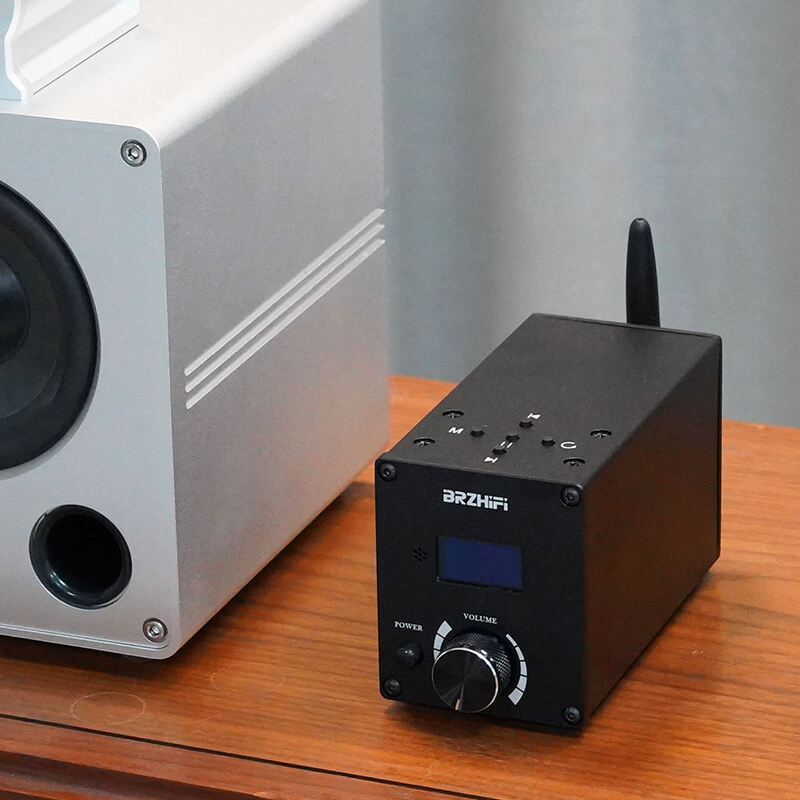
Profesionāli audio uzstādītāji saskaras ar būtiskiem lēmumiem, izvēloties pastiprinātāju aprīkojumu augstas klases instalācijām. Pastiprinātāja tehnoloģijas izvēle ievērojami ietekmē skaņas kvalitāti, sistēmas uzticamību un klientu apmierinātību. Dažādu pastiprinātāju klasifikāciju vidū A klases topoloģija izceļas ar savu izcilu audio precizitāti un minimālajām izkropļojumu īpašībām. Izskaistot tehniskos parametrus, uzstādīšanas prasības un veiktspējas raksturlielumus labākais klases A jaudas amplifikators nodrošina optimālu sistēmas veiktspēju un ilgstošu uzticamību prasīgiem pielietojumiem.
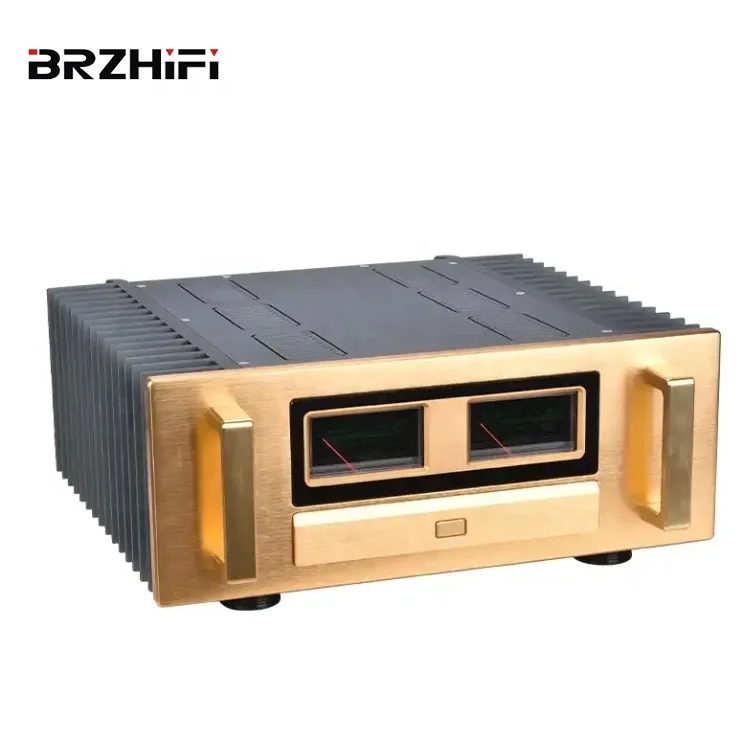
A klases pastiprināšanas tehniskais pamats
Darbības principi un dizaina filozofija
A klases pastiprināšana ir tīrākā signāla pastiprināšanas forma, kur izvades tranzistori paliek nepārtraukti aktīvi visu signāla cikla laikā. Šāda konstrukcijas filozofija pilnībā novērš pārejas izkropļojumus, jo aktīvie komponenti ekspluatācijas laikā nekad neatslēdzas. Labākais A klases jaudas pastiprinātājs uztur pastāvīgu piespriedzes strāvu, nodrošinot, ka izvades komponenti visu laiku darbojas savā lineārajā režīmā. Šī nepārtrauktā darbība nodrošina izcilu lineāritāti un minimālus harmoniskos izkropļojumus visā frekvences spektrā.
Klases A topoloģijas tehniskās priekšrocības kļūst redzamas, izpētot signāla ceļa raksturlielumus. Atšķirībā no klases AB vai klases D konstrukcijām, labākais klases A pastiprinātājs apstrādā audio signālus bez pārslēgšanās pārejām, kas var radīt traucējumus. Vienpusējās vai pretpusējās (push-pull) konfigurācijas saglabā nemainīgus impedances raksturlielumus, nodrošinot stabili slodzes vidējo vidi iepriekšējiem elektronikas komponentiem. Profesionāliem uzstādītājiem ir jāsaprot šie pamata darbības principi, lai pareizi integrētu klases A pastiprināšanu sarežģītās audio sistēmās.
Siltuma pārvaldības apsvērumi
Siltuma izvadīšana ir galvenais inženierijas uzdevums A klases pastiprinātāju projektēšanā. Nepārtrauktais piespiedu strāvas lielums rada ievērojamu siltumenerģiju neatkarīgi no signāla klātbūtnes, tāpēc nepieciešamas efektīvas siltuma regulēšanas risinājumi. Labākajos A klases jaudas pastiprinātājos izmanto pārlieku lielus siltumizvadi, piespiedu gaisa dzesēšanu vai sarežģītas siltumregulācijas shēmas, lai uzturētu drošas darbības temperatūras. Uzstādīšanas vides ir jāpielāgo ievērojamajam siltuma izdalījumam, īpaši noslēgtos aprīkojuma skapjos vai temperatūras kontrolētās telpās.
Profesionāli instalētājiem vajadzīga rūpīga siltuma slodžu aprēķināšana, izvēloties piemērotāko stiprinātāja klasi konkrētām lietojumprogrammām. Vides temperatūras svārstības, ventilācijas prasības un tuvums siltumjutīgai iekārtai ietekmē stiprinātāja novietojuma izvēli. Daži augstas klases A klases modeļi ir aprīkoti ar termiskās aizsardzības shēmām, kas samazina izvades jaudu vai izslēdz stiprinātāju, ja temperatūra pārsniedz drošos robežvērtību. Šo termiskās raksturības izpratne novērš veiktspējas pasliktināšanos un nodrošina uzticamu ilgstošu darbību prasībās pieslogotās instalācijas vidē.
Veiktspējas raksturlielumi un specifikācijas
Jaudas izvade un efektivitātes apsvērumi
Jaudas izvades specifikācijas labākās klases jaudas pastiprinātājam prasa rūpīgu analīzi, kas ir tālāk par vienkāršām vatu vērtībām. Klases A konstrukcijas parasti nodrošina zemāku maksimālo jaudu salīdzinājumā ar klases AB alternatīvām, jo pastāv termiski ierobežojumi un efektivitātes ierobežojumi. Tomēr pieejamā jauda paliek nemainīga dažādām slodzes impedancēm, nodrošinot prognozējamu veiktspēju dažādu skaļruņu konfigurāciju gadījumā. Nepārtrauktās jaudas vērtība attēlo ilgstošo izvades spēju reālistiskos ekspluatācijas apstākļos, nevis īslaicīgās maksimālās jaudas specifikācijas.
Efektivitātes apsvērumi ietekmē būtiski uzstādīšanas plānošanu un ekspluatācijas izmaksas. Vislabākā klases jaudas pastiprinātājs parasti darbojas ar 25–30 % efektivitāti, kas nozīmē ievērojamu jaudas patēriņu neatkarīgi no signāla līmeņiem. Profesionāliem uzstādītājiem ir jāņem vērā nepārtrauktais jaudas patēriņš, aprēķinot elektriskās prasības un ekspluatācijas izmaksas. Tomēr, neskatoties uz zemāko efektivitāti, augstākās klases audio kvalitāte bieži attaisno palielināto enerģijas patēriņu augstas klases pielietojumos, kur skaņas kvalitāte ir prioritārāka nekā ekspluatācijas izmaksas.
Frekvenču atbilde un dinamiskais diapazons
Labākās klases A pastiprinātāja frekvences reakcijas raksturlielumi demonstrē izcilu lineāritāti visā dzirdamajā frekvenču diapazonā. Pārslēgšanās distorsiju un pārejas artefaktu trūkums nodrošina paplašinātu augstfrekvences reakciju un uzlabotu pārejas procesu precizitāti. Zemfrekvences veiktspēja iegūst priekšrocības no stabiliem piesprieguma apstākļiem, nodrošinot stingru basa kontroli un precīzu sarežģītu muzikālu fragmentu atveidi. Šie raksturlielumi padara klases A pastiprināšanu īpaši piemērotu kritiskai klausīšanai paredzētām vides un augstas izšķirtspējas audio atveidei.
Dinamiskā diapazona specifikācijas atklāj augstākās klases stiprinātāja patiesās veiktspējas iespējas. Zems trokšņa līmenis, kombinēts ar augstu virstipruma izvadi, rada plašu dinamisko logu smalku mūzikas detaļu un spēcīgu krescendo atveidošanai. Signāla pret trokšņa attiecība parasti pārsniedz 100 dB augstas kvalitātes A klases konstrukcijās, ļaujot atveidot klusas fragmentus bez dzirdama fona trokšņa. Profesionāliem uzstādītājiem ir jāpārbauda, vai šīs specifikācijas atbilst sistēmas prasībām, īpaši lietojumos, kuros nepieciešama plaša dinamiskā diapazona atveide, piemēram, klasisks mūzikas izpildījums vai augstas izšķirtspējas audio atskaņošana.
Uzstādīšanas prasības un sistēmas integrācija
Elektriskā infrastruktūra un barošanas prasības
Labākās klases stiprinātāja uzstādīšana prasa rūpīgu uzmanību elektroinfrastruktūras prasībām. Nepārtrauktais augstais strāvas patēriņš nepieciešama atsevišķas elektroshēmas ar atbilstošu ampērkapacitāti un zemu pretestību savienojumiem. Sprieguma regulēšanas iekārtas kļūst būtiskas, lai nodrošinātu stabila sprieguma piegādi un minimizētu trokšņu ietekmi no ēkas elektrosistēmām. Profesionāli uzstādītājiem jākoordinē darbs ar elektrotehniķiem, lai nodrošinātu pietiekamu jaudas piegādes spēju un pareizas zemēšanas metodes.
Augstas klases A klases pastiprinātāja jaudas koeficienta raksturlielumi ietekmē elektriskās sistēmas projektēšanas lēmumus. Lineārie barošanas avoti, kas parasti sastopami augstas kvalitātes A klases konstrukcijās, rada pretestības slodzes ar lieliskiem jaudas koeficienta raksturlielumiem, atšķirībā no pārslēgšanās barošanas avotiem, kas var ieviest harmonisko izkropļojumu ēku elektriskajās sistēmās. Tomēr nepārtrauktais jaudas patēriņš prasa rūpīgu slodzes izlīdzināšanu pa visām elektriskajām fāzēm trīsfāžu instalācijās. Pareiza elektriskā plānošana novērš sprieguma kritumu un nodrošina stabila pastiprinātāja darbību maksimālās slodzes periodos.
Ventoilācija un vides kontrole
Vides kontroles prasības augstākās klases jaudas pastiprinātājam iet tālāk par vienkāršu temperatūras regulēšanu. Mitruma kontrole novērš kondensāciju un koroziju mitrās klimatiskās zonās, savukārt putekļu filtrācija aizsargā jutīgos iekšējos komponentus no piesārņojuma. Profesionālos uzstādīšanas telpu vides jāuztur kontrolētās, ar atbilstošām temperatūras robežām, parasti 15–25 °C, lai optimizētu pastiprinātāja veiktspēju un kalpošanas ilgumu. Pārmērīgas temperatūras svārstības var ietekmēt strāvas pielāgošanas stabilitāti un komponentu novecošanās ātrumu.
Vēdināšanas sistēmas projektēšanai jāņem vērā ievērojamais siltuma izdalījums, vienlaikus minimizējot akustisko troksni klausīšanās vidē. Augstākās klases pastiprinātājiem var būt nepieciešama piespiedu gaisa dzesēšana, kas rada potenciālus trokšņa avotus, kuriem kritiskās klausīšanās telpās jāpievērš rūpīga uzmanība. Stratēģiska aprīkojuma izvietošana, akustiskā izolācija un ventilācijas kanālu projektēšana novērš dzesēšanas ventilatora troksni, kas var piesārņot klausīšanās vidi. Dažās instalācijās labvēlīgi ir attālināti aprīkojuma telpu risinājumi, kas atdala siltumu radošās sastāvdaļas no akustiski jutīgajām zonām.
PIEKTAIS -Specifiski apsvērumi
Augstas klases privātmāju instalācijas
Augstākās klases pastiprinātāju privātmāju instalācijām ir jāsaskaņo veiktspējas prasības ar praktiskajām ierobežojumiem. Māja videi parasti trūkst specializētu aprīkojuma telpu un kontrolētu elektrosistēmu, kas raksturīgas komerciālajām instalācijām. Integrācijas problēmas ietver siltuma vadību standarta dzīvojamās telpās, elektriskās jaudas ierobežojumus un estētiskus apsvērumus redzamā aprīkojuma novietošanai. Klases A pastiprinātāju augstākā skaņas kvalitāte bieži attaisno šīs instalācijas sarežģītības augstas klases dzīvojamajos audio sistēmās.
Klientu izglītošana kļūst būtiska, izvēloties vispiemērotāko stiprinātāja klasi mājsaimniecības lietojumiem. Mājokļu īpašniekiem jāsaprot nepārtrauktās jaudas patēriņa, siltuma radīšanas un uzturēšanas prasības, kas saistītas ar A klases tehnoloģiju. Ieguldījums augstas kvalitātes stiprinātājā bieži veido ievērojamu daļu no sistēmas izmaksām, tāpēc ir nepieciešama skaidra komunikācija par snieguma priekšrocībām un ekspluatācijas apsvērumiem. Profesionāli uzstādītājiem vajadzētu nodrošināt detalizētu sistēmas dokumentāciju un ekspluatācijas norādījumus, lai panāktu optimālu ilgtermiņa darbību.
Komerciāli un profesionāli pielietojumi
Komerciāli pielietojumi augstākās klases jaudas pastiprinātājiem parasti ietver kritiskas klausīšanās vides, piemēram, ierakstu studijas, masteringu objektus un augstas klases viesnīcu telpas. Šādos objektos bieži ir kontrolētas vides un pieejama specializēta tehniskā apkalpe, kas padara A klases pastiprinātāju izmantošanu praktiskāku, neraugoties uz ekspluatācijas sarežģītībām. Izcilā audio kvalitāte attaisno paaugstinātās uzstādīšanas un ekspluatācijas izmaksas tajos pielietojumos, kur skaņas kvalitāte tieši ietekmē biznesa panākumus.
Profesionāliem uzstādījumiem ir izdevīgi vienmērīgums un uzticamība, ko nodrošina augstākās klases jaudas pastiprinātājs prasīgās ekspluatācijas vidē. Pārslēgšanas artefaktoru un termiskā ciklēšanas slodzes trūkums veicina ilgstošu uzticamību nepārtrauktas darbības lietojumprogrammās. Tomēr komerciāliem uzstādījumiem, izvēloties A klases pastiprinātājus, jāņem vērā ekspluatācijas izmaksas, apkopēs nepieciešamība un iespējamās tehniskās apkopes pārtraukumi. Misijas kritiskās lietojumprogrammās kļūst svarīgi rezerves pastiprinātāju un tehniskās apkopes pieejamības jautājumi.
Uzturēšana un ilgtermiņa veiktspēja
Profilakses uzturēšanas protokoli
Lai nodrošinātu optimālu veiktspēju no augstākās klases jaudas pastiprinātāja, nepieciešami sistēmiski profilaktiskās apkopas protokoli. Regulāra temperatūras uzraudzība nodrošina, ka darbības temperatūras paliek ietvaros, kas ir droši, un ļauj identificēt potenciālas dzesēšanas sistēmas problēmas pirms notiek attece. Strāvas nobīdes pielāgošanas procedūras saglabā optimālos darbības punktus, kamēr komponenti vecojas, tādējādi saglabājot audio kvalitāti un novēršot pārmērīgu siltuma ražošanu. Profesionāli uzstādītājiem vajadzētu izstrādāt apkopas grafikus, kas atbilst konkrētajiem ekspluatācijas apstākļiem un izmantošanas paraugiem.
Komponentu vecošanās raksturlielumi augstākajā klasē ir tādi, ka spēcīgā signāla pastiprinātājiem raksturīgi prognozējami raksturlielumi, kas ļauj izstrādāt proaktīvas apkopas stratēģijas. Izejas ierīču degradācija parasti izpaužas kā palielinātas barošanas strāvas prasības vai kā termiskā nestabilitāte slodzes apstākļos. Kondensatoru vecošanās ietekmē barošanas avota filtrēšanu un savienošanas raksturlielumus, iespējams, radot troksni vai frekvences atbildes svārstības. Regulāra darbības uzraudzība un komponentu nomaiņas grafiki novērš pakāpenisku darbības pasliktināšanos un negaidītas atteices kritiskās lietojumprogrammās.
Veiktspējas Monitoring un Optimizācija
Nepārtraukta augstākā klases palielinātāja veiktspējas optimizācija ietver galveno ekspluatācijas parametru uzraudzību un atbilstošus pielāgojumus. Temperatūras reģistrēšana identificē tendences, kas var norādīt uz attīstību esošām problēmām vai neoptimālām ekspluatācijas apstākļiem. Strāvas nobīdes uzraudzība nodrošina stabila darbība un optimālu efektivitāti, vienlaikus novēršot termiskās nestabilitātes (termiskās izraisīšanas) situācijas. Profesionāli instalētājiem vajadzētu ieviest uzraudzības sistēmas, kas atbilst instalācijas kritiskuma līmenim un budžeta ierobežojumiem.
Sistēmas integrācijas apsvērumi ietekmē augstākās klases stiprinātāja ilgtermiņa veiktspējas optimizāciju. Pretestības pielāgošana pievienotajiem skaļruņiem ietekmē termisko slodzi un izkropļojumu raksturlielumus. Signāla līmeņa optimizācija novērš pārpildīšanu, vienlaikus nodrošinot pietiekamu rezervi dinamiskajiem maksimumiem. Regulāra sistēmas kalibrēšana saglabā optimālu darbību, kamēr saistītā aprīkojuma veiktspēja samazinās vai mainās vides apstākļi. Šīs optimizācijas procedūras aizsargā ieguldījumu augstas kvalitātes stiprinātājā un nodrošina turpmāku augstas veiktspējas darbību ilgākā ekspluatācijas laikā.
BUJ
Kas padara A klases stiprinātāju par labāku nekā citus stiprinātāju dizainus
A klases pastiprinātājs novērš pārejas izkropļojumus, uzturot izvades ierīces nepārtraukti aktīvas visu signāla ciklu. Tas nodrošina augstāku lineāritāti, minimālus harmoniskos izkropļojumus un izcilu pārejas reakciju salīdzinājumā ar AB klases vai D klases risinājumiem. Labākais A klases jaudas pastiprinātājs nodrošina stabila impedances raksturlielumus un stabila darbību dažādos signāla apstākļos, tāpēc tas ir ideāls kritiskai klausīšanai, kur skaņas kvalitāte ir galvenā prasība.
Cik lielu papildu enerģijas patēriņu man vajadzētu gaidīt, izmantojot A klases pastiprinātājus?
Labākā klases (klase A) pastiprinātājs parasti patērē 3–4 reizes vairāk jaudas nekā līdzvērtīgi klases AB risinājumi, jo nepieciešams nepārtraukts piespriedzes strāvas plūsma. 100 vatu klases A pastiprinātājs var patērēt nepārtraukti 300–400 vatus neatkarīgi no signāla līmeņa. Profesionāliem uzstādītājiem ir rūpīgi jāaprēķina elektriskās prasības un ekspluatācijas izmaksas, jo augstākā audio veiktspēja nāk kopā ar ievērojami augstāku enerģijas patēriņu visu pastiprinātāja darbības laiku.
Kādas dzesēšanas prasības ir nepieciešamas, lai pareizi uzstādītu klases A pastiprinātāju
Labākā klase — A klases pastiprinātāji nepārtraukti rada ievērojamu siltumu, tāpēc nepieciešamas efektīvas dzesēšanas sistēmas. Parasti nepieciešams vismaz 6–8 collu brīvais attālums no visām pusēm, piespiedu gaisa ventilācija un apkārtējās vides temperatūra zem 25 grādiem pēc Celsija. Augstas jaudas A klases konstrukcijām var būt nepieciešamas speciālas dzesēšanas sistēmas vai aprīkojuma telpas ar HVAC sistēmām, lai uzturētu drošas ekspluatācijas temperatūras un novērstu termisko izslēgšanos vai komponentu degradāciju.
Vai A klases pastiprinātājus var izmantot standarta dzīvojamās ēkas instalācijās?
Labākā klase, kurā jaudas pastiprinātāju var veiksmīgi uzstādīt dzīvojamās telpās, pareizi plānojot elektroenerģijas jaudu, siltuma vadību un ventilācijas prasības. Atsevišķas elektroierīces, pietiekama ventilācija un klientu izglītošana par ekspluatācijas īpašībām ir būtiskas veiksmīgai dzīvojamās vietas uzstādīšanai. Lai gan tas ir sarežģītāks nekā standarta pastiprinātāju uzstādīšana, augstākā skaņas kvalitāte bieži attaisno papildu prasības augstas klases dzīvojamās vietas audio sistēmās.
Satura rādītājs
- A klases pastiprināšanas tehniskais pamats
- Veiktspējas raksturlielumi un specifikācijas
- Uzstādīšanas prasības un sistēmas integrācija
- PIEKTAIS -Specifiski apsvērumi
- Uzturēšana un ilgtermiņa veiktspēja
-
BUJ
- Kas padara A klases stiprinātāju par labāku nekā citus stiprinātāju dizainus
- Cik lielu papildu enerģijas patēriņu man vajadzētu gaidīt, izmantojot A klases pastiprinātājus?
- Kādas dzesēšanas prasības ir nepieciešamas, lai pareizi uzstādītu klases A pastiprinātāju
- Vai A klases pastiprinātājus var izmantot standarta dzīvojamās ēkas instalācijās?