
 EN
EN
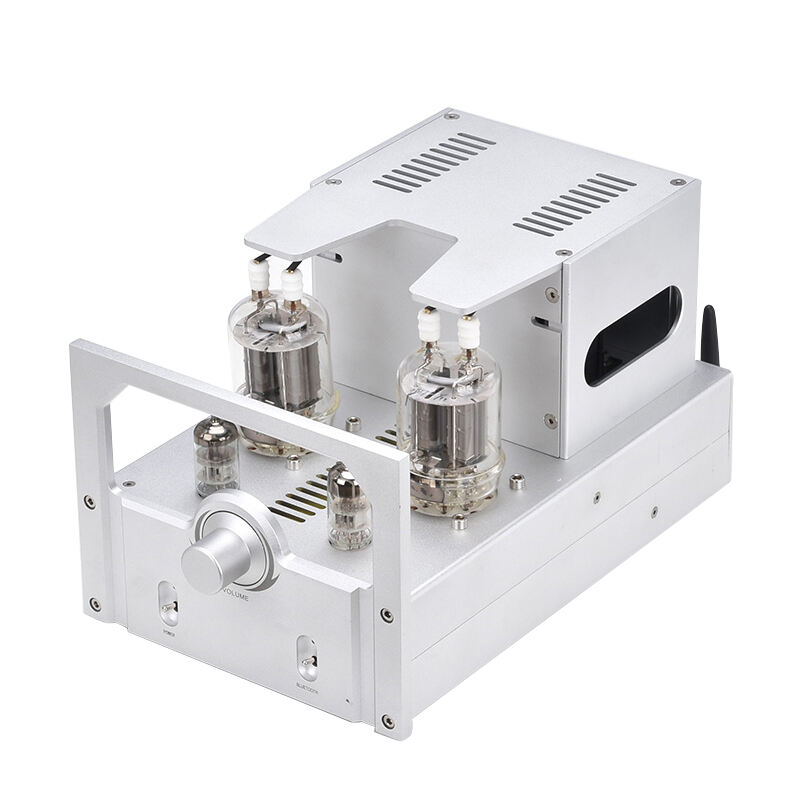
בחירת מפעל הולך-כוח מתאים לצרכים שלכם באספקת ציוד שמע דורשת הערכה זהירה של מספר יכולות טכניות ומבצעיות. נוף ייצור השמע הבינלאומי מציג מגוון אפשרויות, אך זיהוי מפעל הולך-כוח מהימן שמתאים לדרישות הספציפיות שלכם דורש הערכה מעמיקה של יכולות הייצור שלו, סטנדרטי האיכות שלו והמומחיות הטכנית שלו. הבנת גורמים קריטיים אלו תסייע לכם לבנות שותפויות מוצלחות ולדאוג לאיכות קבועה של המוצרים לעסק ציוד השמע שלכם.
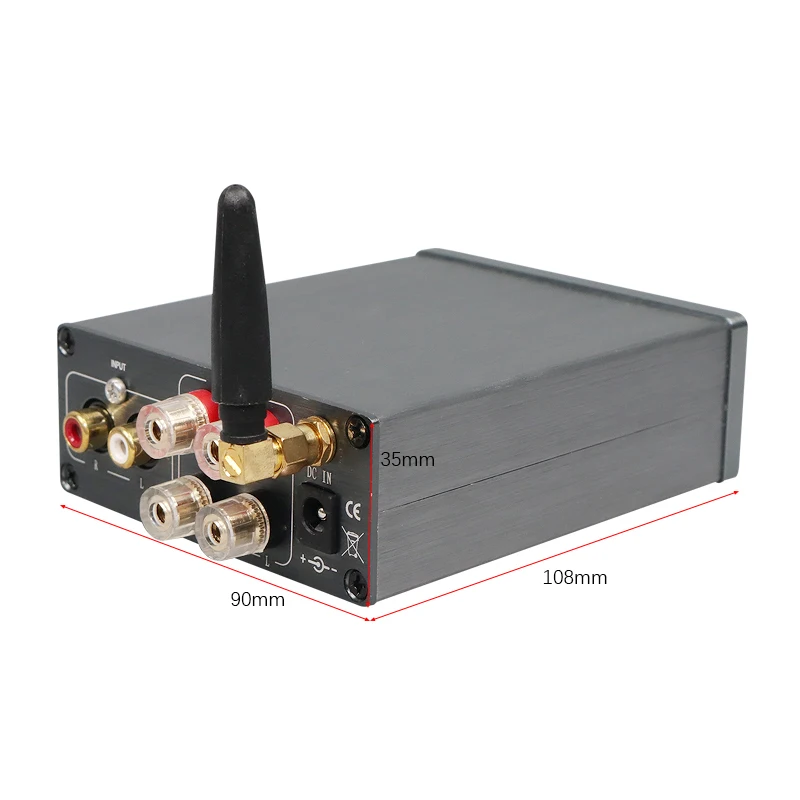
תשתית ייצור וקנה המידה של הייצור
הערכת מתקן ייצור
התשתית הפיזית של מפעל מגברי כוח משפיעה ישירות על איכות המוצר ועל עקביות הייצור. מתקני ייצור מודרניים צריכים לכלול חדרי ניקיון מיוחדים, תנאי סביבה מבוקרים וציוד متخصص למתן טיפול ברכיבים אלקטרוניים רגישים. מפעל מגברי כוח מוסמך בדרך כלל מחלק את המתחם לאזורי ייצור נפרדים עבור שלבים שונים בייצור, כולל הכנת רכיבים, הרכבת לוחות מעגלים, בדיקות ופעולות אריזה. אזורי התמחות אלו תורמים להקטנת סיכונים של זיהום ולשימור תנאי עבודה אופטימליים בעבודות הרכבה מדויקות.
ציוד ייצור מתקדם מייצג אלמנט תשתית חשוב נוסף. קווי SMT (טכנולוגיית הרכבה על פני השטח) מתקדמים, ציוד בדיקות אוטומטי ומכשירי מדידה מדויקים מעידים על מחויבות המפעל לייצור איכותי. קיומם של קווים מרובים לייצור מאפשר ניהול טוב יותר של הקapasיטי ומצריך סיכונים של תלות במהלך תקופות ביקוש גבוה.
קיבולת ומדרגיות
הבנת הקapasיטי לייצור במפעל להגבר הספק מסייעת לקבוע האם הוא מסוגל לספק את דרישות הנפח שלכם באופן עקבי. יצרנים מוכרים מספקים בדרך כלל מידע מפורט על הקapasיטי, כולל נפחי ייצור חודשיים, זמני משלוח עבור גדלי הזמנות שונים ואפשרויות הרחבה לעסקים שגדלים. שקיפות זו מאפשרת תכנון ייצור טוב יותר ומבטיחה ניהול מהימן של שרשרת האספקה.
שקולות התרחבות הופכות חשובות במיוחד לעסקים שמצפים לצמיחה או לתנודות ביקוש עונתיות. מפעל מספק של מגברים חשמליים חייב להפגין גמישות בתיאום לוחות הזמנים לייצור ובהגדלת היקף הפעילות כדי להתאים את עצמו לכמויות הזמנות משתנות, מבלי לפגוע בתקני האיכות או במועדי המסירה.
בקרת איכות ויכולות בדיקה
מערכות ניהול האיכות
מערכות ניהול איכות חזקות מהוות את היסוד לייצור אמינות של מגברי כוח. אישור ISO 9001 מהווה דרישה בסיסית, בעוד שאישורים נוספים כגון ISO 14001 לניהול סביבתי ו-OHSAS 18001 לבריאות ולבטיחות בעבודה מעידים על מצוינות תפעולית מקיפה. יצרן מכובד מפעל מגדילים חשמליים משמר תיעוד מפורט של הליכי האיכות שלו ומספק שקיפות בתהליכי ניהול האיכות שלו.
פרוטוקולי בדיקת חומרים נכנסת מבטיחים את איכות הרכיבים לפני תחילת הייצור. זה כולל אימות רכיבים אלקטרוניים, איכות לוחות ה-PCB, חומרי הגופנים והרכיבים לאחסון. בדיקות מקיפות של החומרים עוזרות למנוע בעיות איכות שיכולות להשפיע על ביצועי המוצר הסופי ועל האמינות שלו.
שיטות בדיקה ואישור
יכולות בדיקה מתקדמות מבדילות בין מפעלי מגברים מקצועיים לייצרנים קבלנים בסיסיים. ציוד הבדיקה החיוני כולל אנליזטורים של סך ההרמוניות והרעש (THD+N), אנליזטורים של הספק, אנליזטורים של הספקטרום ומערכות בדיקת שינון (burn-in). כלים אלו מאפשרים אימות מקיף של הביצועים במגוון פרמטרים קריטיים, ביניהם תגובת התדר, עיוות הרמוני, יחס אות לרעש (SNR) ואמינות לאורך זמן.
מערכות בדיקות אוטומטיות מגדילות את עקביות הבדיקות ומצמיצות את הסיכון לטעויות אנושיות. במתקני ייצור של מגברי כוח מודרניים רבים מיישמים סדרות בדיקות בשליטה ממוחשבת שבודקות מספר פרמטרים בו זמנית, ויוצרות דוחות בדיקה מפורטים למטרות תיעוד איכות ומעקב.
תכן טכני ותמיכה הנדסית
יכולות הנדסיות פנימיות
הנוכחות של צוותי מהנדסים מוסמכים במפעל לייצור מגברי כוח מגבירה באופן משמעותי את היכולת שלהם לתמוך בעיצובים מותאמים אישית ושינויים במוצרים. מהנדסי שמע בעלי ניסיון יכולים לספק תובנות חשובות באשר לאופטימיזציה של מעגלים, בחירת רכיבים ואפשרויות לשיפור הביצועים. המומחיות הזו הופכת לחשובה במיוחד בעת פיתוח מוצרים עבור קטעי שוק ספציפיים או כשנדרשים פתרונות טכניים ייחודיים.
יכולות CAD והגישה לתוכנות הדמיה מאפשרות לצוותי ההנדסה לייצר מודלים ולשפר את תכנוני המגברים לפני ייצור פרוטוטיפ פיזי. גישה זו מקצרת את זמן הפיתוח ומייעלת את העלות, ובמקביל משפרת את ביצועי המוצר הסופי. מפעל מגברים כשיר חייב להפגין שליטה בכלים לתכנון ופלטפורמות הדמיה סטנדרטיות בתעשייה.
התאמהשנה ושירותי OEM
הגמישות בהתאמות דרישה מותאמה היא שמתארת את יצרני השירות המלא לעומת מתקני ייצור בסיסיים. יכולות התאמה מקיפות כוללות שינויים במעגלים, התאמות לעיצוב השרירים, התאמות לממשק הבקרה, והתאמות למסחריות (בלייזינג). היכולת לפעול לפי مواנה של הלקוח תוך שמירה על יעילות הייצור מעידה על אינטגרציה חזקה בין הנדסה וייצור.
היצע שירותים של יצרן מזמין (OEM) ויצרן מصمם (ODM) מספק ערך נוסף לעסקים המחפשים שותפויות ייצור מקיפות. שירותים אלו כוללים לרוב תמיכה בעיצוב תעשייתי, סיוע בהיענות לדרישות רגולטוריית, וניהול שרשרת האספקה, מה שמאפשר ללקוחות להתמקד בשיווק ומכירה תוך ניצול המומחיות של מפעל מגברים בפיתוח וייצור.
ניהול שרשרת האספקה ורכש רכיבים
רשתות אספקת רכיבים
ניהול שרשראת האספקה היעיל מבטיח זמינות רכיבים עקבית ויציבות מחירים. פעולות מפעל המגבירים הקבועות שומרות על קשרים עם מספר ספקי רכיבים, ובכך מפחיתות את הסיכונים הנובעים מתלות בספק אחד ומבטיחות מחירים תחרותיים. שותפויות ישירות עם יצרני שבבים, ספקי רכיבים פסיביים וספקי רכיבים מכניים מספקות גישה לטכנולוגיות העדכניות ביותר ולתנאי מחירים מועדפים.
תהליכי אישור רכיבים מאשרים שכולל החומרים עומדים בתקנים המוגדרים לביצוע ואמינות. כולל זה אימות פרמטרים חשמליים, בדיקות סביבתיות, והערכה ארוכת טווח של אמינות. אישור רכיבים תקין עוזר למנוע כשלים בשטח ומבטיח ביצועי מוצר עקביים לאורך סדרות ייצור.
מערכות ניוד מלאי
מערכות מודרניות לניהול מלאי מאפשרות תכנון ייצור יעיל ואופטימיזציה של עלויות. מערכות ERP מתקדמות עוקבות אחר צריכת הרכיבים, מנבאות את דרישות החומר, וממזערות את רמות המלאי כדי למזער את עלויות האחסון תוך מניעת מחסור במלאי. מפעל מאmplיפיקטורים מונוהל היטב מספק נראות למצב המלאי ולתזמן הייצור, כדי לעזור ללקוחות לתכנן את ההזמנות שלהם בצורה יעילה.
הנוהלים של מלאי בזמן-המתאים מאוזנים בין יעילות עלות לבין גמישות ייצור. גישה זו דורשת תחזיות ביקוש מתקדמות ותיאום עם הספקים, אך היא מביאה לירידה בעלויות המלאי ולשיפור ניהול זרימת המזומנים הן לייצרן והן ללקוחותיו.
הסכמה תקנית ותעודות
בטיחות והתאמה ל совместимость אלקטרומגנטית (EMC)
יכולות רגולטוריות מקיפות מבטיחות שהמוצרים עומדים בדרישות הביטחון והתאמה לсовместимות אלקטרומגנטית (EMC) הבינלאומיות. מפעל מוסמך להגברת הספק מספק ידע עדכני בתקנים החלים, כולל UL, CE, FCC ודרישות אזוריות אחרות. מתקני בדיקות באתר לביטחון ולתאמה לсовместимות אלקטרומגנטית (EMC) מקצרים את זמן האישור ואת העלות בהשוואה לשימוש במעבדות בדיקות חיצוניות.
מערכות ניהול תיעוד והסמכות עוקבות אחר סטטוס ההתאמה ומשמרות רשומות הנדרשות להגשת מסמכים רגולטוריים. יכולת ארגונית זו הופכת לחשובה במיוחד בעת שירות בשווקים בינלאומיים מרובים עם דרישות רגולטוריות משתנות.
סטנדרטים סביבתיים וכفاءת אנרגטית
סטנדרטים סביבתיים להתאמה כמו RoHS ו-REACH דורשים בחירה זהירה של חומרים ושליטה בתהליכים. מפעל אחראי לייצור מגבירי כוח מיישם מערכות נרחבות למעקב אחר החומרים ועובד עם הספקים כדי להבטיח התאמה לאורך שרשרת האספקה כולה. דרישות כفاءת אנרגיה כמו Energy Star או סטנדרטים אזוריים דומים עשויים גם כן לחול על קטגוריות מסוימות של מגבירים.
תוכניות ניהול פסולת וחידוש ידועות כהפגנת אחריות סביבתית ועשויות להיות מחויבות במסגרת תוכניות הסמכה מסוימות. יוזמות אלו תורמות גם לצמצום עלויות באמצעות שחזור חומרים ומזעור פסולת.
תקשורת וניהול פרויקטים
האשראי של תשתית התמיכה ללקוחות
מערכות תקשורת יעילות מקלות על ביצוע הפרויקט בצורה חלקה ופתרון בעיות. מפעל מקורות כוח מקצועי שומר על צוותי תמיכה ללקוחות מיוחדים בעלי מומחיות טכנית וכישורי שפה המתאימים לבסיס הלקוחות שלהם. עדכונים רגילים על ההתקדמות, ייעוץ טכני ותמיכה מהירה בפתרון בעיות תורמים לשותפויות ייצור מוצלחות.
שיטות ניהול פרויקטים עוזרות להבטיח משלוח בזמן והתיישנות לדרישות הטכניות. תהליכי ניהול פרויקטים מאורגנים כוללים מעקב אחר נקודות ציון, הערכת סיכונים ותכנון אמצעי התמודדות כדי להתמודד עם בעיות פוטנציאליות לפני שהן משפיעות על לוחות הזמנים של המשלוח או על איכות המוצר.
מערכות תיעוד ודיווח
מערכות תיעוד מקיפות תומכות באחראיות איכותית ובהגשמת דרישות הלקוח. כולל مواصفות מוצר מפורטות, דוחות בדיקות, הליכי ייצור ותיעוד של בקרת שינויים. מערכות ניהול מסמכים אלקטרוניות מספקות גישה מאובטחת למידע העדכני תוך שמירה על בקרת גרסאות ורשומות ביקורת.
יכולות דיווח קבועות שומרות על לקוחות מעודכנים בנוגע למצב הייצור, מדדי האיכות וכל בעיה הדורשת תשומת לב. דיווח שקוף בונה אמון ומאפשר ניהול פרואקטיבי של בעיות או עיכובים פוטנציאליים.
שאלות נפוצות
אילו כמויות הזמנה מינימליות יש לצפות ממפעל מגברי הספק?
כמויות ההזמנה המינימליות משתנות באופן משמעותי בהתאם ליצרן הספציפי של מגברי הכוח ולמורכבות המוצר. למוצרים סטנדרטיים עשויה להיות כמות הזמנה מינימלית נמוכה כבר מ-100–500 יחידות, בעוד שעיצובים מותאמים אישית דורשים בדרך כלל לפחות 1,000–5,000 יחידות. גורמים המשפיעים על הכמות המינימלית להזמנה כוללים דרישות לכלי ייצור, מינימום רכישת רכיבים והוצאות הקמה לייצור. דיון בפרוייקציות הנפח שלכם בשלב המוקדם של תהליך הערכת הספקים עוזר לזהות יצרנים מתאימים.
כמה זמן בדרך כלל נמשך פיתוח עיצוב מותאם אישית של מגבר כוח?
התוֹקף לפיתוח מגברי כוח מותאמים אישית נע בין 4 ל-12 שבועות, תלוי במורכבות העיצוב ובדרישות ההתאמה. שינויים פשוטים, כגון החלפת מעטפת או עדכון ממשק הבקרה, עשויים לדרוש רק 4–6 שבועות, בעוד שעיצוב מעגל חדש לחלוטין עלול לקחת 8–12 שבועות או יותר. זמינות משאבי ההנדסה ביצרן מגברי הכוח, וכן היקף הבדיקות והאישורים הנדרשים, משפיעים אף הם על התוֹקף לפיתוח.
אילו תעודות איכות עליי לחפש בעת הערכת יצרנים?
תעודות איכות חיוניות כוללות את תקן ISO 9001 למערכות ניהול איכות ותעודות בטיחות מוצרים רלוונטיות כגון UL, CE או FCC, בהתאם לשוק היעד שלכם. תעודות נוספות כגון ISO 14001 (ניהול סביבתי) ו-IATF 16949 (איכות אוטומotive) עשויות להיות רלוונטיות ליישומים מסוימים. מפעל מוסמך של מגברים חשמליים אמור גם להפגין התאמה לתקנים ספציפיים לתעשייה ולשמור על תעודות אישור מעודכנות.
איך אפשר לאשר את היכולות הטכניות של שותף ייצור פוטנציאלי?
אימות היכולות הטכניות דורש מספר גישות להערכה, כולל סיורים במתקנים, יצירת קשר עם לקוחות מפונים, בדיקת דוגמיות של מוצרים וראיונות עם צוות ההנדסה. יש לבקש מידע מפורט על ציוד הבדיקה, הליכי האיכות והיכולות לתמיכה הנדסית. יש לבחון מסמכים של פרויקטים דומים ולבקש פניות מלקוחות עם דרישות דומות. יש לשקול קיום פרויקט ניסיוני קטן כדי להעריך את תפקוד התקשורת, האיכות וההספקה לפני קבלת התחייבות לכמויות גדולות יותר.