
 EN
EN
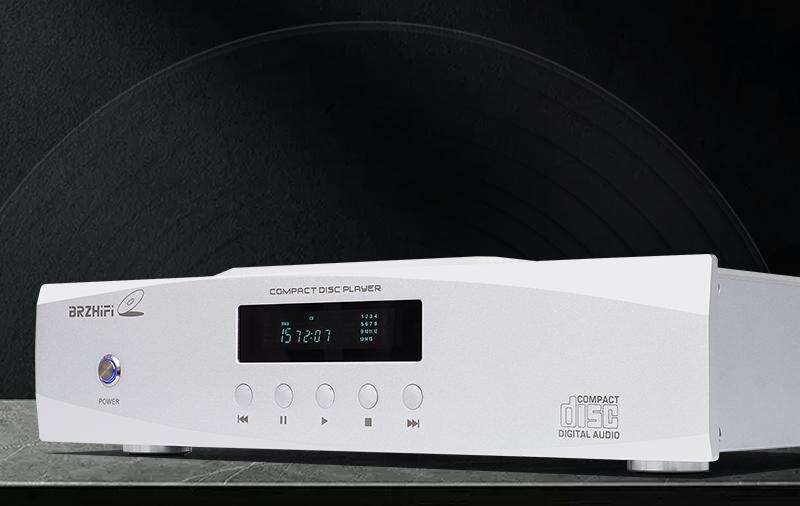
כאשר חובבי אודיו מתווכחים על טופולוגיית המגבר, השאלה של ערך לעומת ביצועים נוטה למרכז סביב השוואת עיצובי מגברי AB ומגברי A. בעוד שמגברי A מוערכים באיכות השמע היבשה שלהם, המגבר הטוב ביותר מחלקת AB מציע איזון מרשים של ביצועים, יעילות וזמינות במחיר סביר, מה שהופך אותו לבחירה מושכת עבור מאזינים רציניים. הבנת ההבדלים הטכניים והיתרונות המעשיים של כל עיצוב עוזרת לקונים מודעים לקבל החלטות שמתאימות למטרות האודיו שלהן ולמגבלות התקציב שלהן.
הבנת טכנולוגיית מערכת הגברה מסוג AB
עקרונות בסיסיים של פעולת
מגברות מדרגה AB מייצגות גישה היברידית שמשלבת אלמנטים משתי טופולוגיות: מדרגה A ומדרגה B. בעיצוב זה, טרנזיסטורים פלטיים מוגבים כך שיעבדו יותר מחצי מחזור של האות הקלט, לרוב כ-180–200 מעלות. תצורה זו מאפשרת למגבר ה-AB הטוב ביותר לשמור על מאפייני עיוות נמוכים, תוך השגת יעילות גבוהה בהשוואה למגברות טהורות מדרגה A.
סידור ההגבהה במגברות מדרגה AB מבטיח שטרנזיסטור פלטי אחד ישאר פעיל בתנאי אות חלש, ובכך יפעל בפועל במודוס מדרגה A עבור אותות ברמת עוצמה נמוכה. ככל שעוצמת האות עולה, המגבר עובר למצב פעילות של מדרגה B, שבו שני הטרנזיסטורים עובדים יחד כדי לטפל בכל הגל האותי. מנגנון החלפה חכם זה שומר על נאמנות השמע בקטעי האזנה קריטיים, תוך סיפוק היעילות החשמלית הנדרשת לשיאי מוזיקה דרמטיים.
יתרונות יעילות
עיצובים מודרניים של מגברים מסדר AB משיגים יעילות תיאורטית של 60–78 אחוז, מה שגבוה בהרבה מהיעילות המרבית של 25 אחוז chez מגברים מסדר A. היעילות המוגדלת הזו מתורגמת ישירות לירידה בייצור חום, ליצירת עלות פעילות נמוכה יותר ולשיפור האמינות. העיצובים הטובים ביותר של מגברי AB כוללים מערכות מתקדמות لإدارة החום שמשמרות טמפרטורת פעולה אופטימלית גם במהלך פעילות ממושכת בעוצמה גבוהה.
הדרישות לאספקת הכוח למגברי AB הן גם סבירות יותר בהשוואה לעיצובי מגברי A. בעוד שמגבר 100 וואט מסדר A עלול למשוך 400 וואט מהשקע באופן רציף, עיצוב מקביל של מגבר AB צורך בדרך כלל 150–200 וואט במהלך הפעולה הרגילה. יתרון היעילות הזה נעשה חשוב במיוחד במערכות תיאטרון ביתיות רב־ערוציות, שבהן מספר ערוצים של מגברים פועלים בו־זמנית.
השוואת מאפייני איכות השמע
ביצועי עיוות
החתימה האקוסטית של מגבר ה-AB המוביל בדרגה שלו מפתיעה לעתים קרובות את השומעים שמצפים להפרעות משמעותיות בהשוואה למגברי כיתה A. יישומים מודרניים של מגברי כיתה AB מגיעים לרמות עיוות הרמוני כולל מתחת ל-0.01 אחוז, עם مواפיינים של עיוות בין-מודולציה שמתחרים במגברי כיתה A מיוחדים. טופולוגיות מעגלים מתקדמות, כולל לולאות משוב לתיקון שגיאות ורכיבי פלט שנותרו בזהירות, תורמות לمواפיינים המרשימים הללו.
עיוות הצלב, שהיה פעם דאגה משמעותית בעיצובי מגברי כיתה AB, הוסר כמעט לחלוטין באמצעות שיטות הטיה משופרות וטרנזיסטורים מהירים יותר להחלפה. העיצובים המודרניים שומרים על זרם הטיה קבוע לאורך רמות אות משתנות, מה שמבטיח מעברים חלקים בין מצב הפעולה של כיתה A למצב הפעולה של כיתה B. התוצאה היא שקיפות שמשמרת את הדקויות המוזיקליות תוך שהמגביר מספק את ההשפעה הדינמית שמעוררת חיים בתקליטים.
טווח דינמי ורזרבה
מגברים מדרגה AB מצליחים במיוחד בלהעניק הספק רגעי מיידי לאירועים מוזיקליים טרנסיאנטיים. התכנונים הטובים ביותר של מגברים מדרגה AB כוללים מקורות ספק כוח מוגדלים עם קיבולת אחסון אנרגיה משמעותית, מה שמאפשר העברת הספק צורב שיכולה לעלות על דירוגי ההספק הרציף במרחבים גדולים. יתרון זה של "הראשון" הופך לקритי בעת שחזור קרייסצנדות תזמורתיות, התקפות כלי הקשה או מוזיקה אלקטרונית עם שינויים דינמיים פתאומיים.
יחס האות לרעש במגברים איכותיים מדרגה AB בדרך כלל עולה על 100 דציבל, מה שמביא רקע שקט המאפשר להבחין בבירור בפרטים מוזיקליים עדינים. תכנונים מתקדמים של מעגלים ממזערים הפרעות אלקטרומגנטיות תוך שמירה על תגובה רוחב פס רחב שמתמשכת רחוק מעבר לטווח השמעי. מאפיינים אלו מבטיחים שהמגבר עצמו לא מוסיף צבעוניות להקלטה המקורית ומשמר את טווח הדינמיקה המלא של חומר המקור ברזולוציה גבוהה.
שקולות בעלות פרקטיות
יצירת חום ומיקום
אחת היתרונות המעשיים החשובים ביותר של בחירת מגבר מדרגה AB אופטימלי היא ניהול החום בהתקנות בעולם האמיתי. מגברים מדרגה A מייצרים חום רב גם במצב מנוחה, ודורשים שיעור התנעה מספיק ואף עלולים להשפיע על טמפרטורת החדר במהלך ישיבות האזנה ממושכות. לעומת זאת, מגברי מדרגה AB פועלים קרים בהרבה, ומייצרים חום בעיקר בתנאי פליטה גבוהים, כאשר המוזיקה דורשת זאת.
מאפיין תרמי זה מאפשר גמישות רבה יותר במיקום הציוד ובשילובו בארון או ברק. מגברי מדרגה AB יכולים לעתים קרובות להתקן בארונות סגורים או ברהיטים מותאמים אישית, ללא דרישות התנעה נרחבות שמהם זקוקים מגברי מדרגה A. הפחתת פליטת החום תורמת גם לאריכות חיים של הרכיבים, מאחר שהחלקים הפנימיים נמצאים בלחץ תרמי נמוך יותר לאורך זמן פעולתם.
דרישות חשמל והתק infrastructure
שקולות תשתית חשמלית מעדיפות טופולוגיה מסוג Class AB עבור רוב התקנות הבתיות. המגבר הטוב ביותר מסוג Class AB פועל ביעילות מסרקי החשמל הביתיים הסטנדרטיים ללא צורך בחיבורים חשמליים מיוחדים בעלי זרם גבוה או לוחות חשמל מיוחדים. התאמה זו מפשטת את ההתקנה ומביאה להפחתת עלות המערכת הכוללת ומורכבותה.
דפוסי צריכת הכוח במגברים מסוג Class AB מתאימים גם כן יותר לתבניות האזנה משתנות. בניגוד לעיצובים מסוג Class A שצורכים זרם מרבי ללא תלות ברמת העוצמה, מוגברי Class AB צורכים כמות חשמל היחסית לדרישות הפלט. מאפיין זה מביא לצמצום счетות החשמל ולהפחתת השפעת המערכת על הסביבה, במיוחד למשתמשים שמכירים מוזיקה ברקע ברמות עוצמה מתונות.
ניתוח ערך השוק
יחס מחיר לביצועים
בעת הערכת הצעות הערך של מגברים, מגבר מחלקת AB הטוב ביותר מספק באופן עקבי יחס מעולה בין מחיר לביצועים בהשוואה לעיצובי מגברים מחלקת A שקולים. עלויות הייצור של מגברי מחלקת AB נמוכות יותר באופן טבעי בשל דרישות נמוכות יותר למקורות כוח, סנקי חום קטנים יותר ודרישות פחות קפדניות לרכיבים. חסכונות אלו מועברים בדרך כלל לצרכנים ללא פגיעה בביצועי האודיו.
מגברי מחלקת AB פרימיום מייצרנים מוסמכים מציעים איכות בנייה וביצועים אודיו השווים למגברי מחלקת A יקרים בהרבה. ההבדל במחיר מייצג לעיתים קרובות חיסכון של 30 עד 50 אחוז, מה שמאפשר להקצות את התקציב לרכיבים אחרים במערכת, כגון רמקולים באיכות גבוהה יותר או ציוד מקור שעשוי לספק שיפור ביצועים מורגש יותר.
עלויות בעלות ארוכת טווח
חישובי עלות הבעלות הכוללת מעדיפים טופולוגיה של כיתה AB כאשר נלקחות בחשבון הוצאות הפעלה לאורך תקופות חיים טיפוסיות של מגברים. ירידה בצריכת החשמל, דרישות קירור נמוכות יותר ומעלות מופחתות על רכיבים תורמות לחסכונות משמעותיים לאורך שנים של פעילות.
ערך המעודכן של מגברי כיתה AB איכותיים נשאר חזק בזכות הפצה רחבה והיתרונות המעשיים שלהם. אם כי עיצובי כיתה A אקסוטיים עשויים לדרוש מחירים פרמיומים בשווקים מיוחדים, מגברי כיתה AB שומרים על ביקוש עקבי הן מאוזנים והן משומעים לא פורמליים, מה שמאפשר נזילות טובה יותר בעת עדכון או החלפת מערכות.
שימוש - יתרונות ספציפיים
מערכות רב־ערוצים
בית יישומים תיאטרליים נהנים במיוחד מתכנולוגיית המגבר מסוג AB בשל דרישות ההספק של פורמטים מודרניים של קול סוררונד. המגבר הטוב ביותר מסוג AB יכול לספק בהיעילות מספר ערוצים בו זמנית תוך שימור הטווח הדינמי הנדרש לאפקטים קולנועיים ולפסי צלילים מוזיקליים. עיצובי מגבר מסוג A הופכים לא פרקטיים ליישומים מרובה ערוצים בגלל הצריכה העצומה שלהם באנרגיה והחום שהם מייצרים כאשר הם מוכפלים על חמישה ערוצים או יותר.
התאמת הערוצים בעיצובי AB נוטה גם להיות עקבייה יותר לאורך רצף ייצור, בהשוואה למגברים מסוג A, שבהם שינויים תרמיים יכולים להשפיע על מאפייני הביצועים. עקביות זו מבטיחה הדמיה תקינה של קול סוררונד ואיזון טונאלי בכל הערוצים, גורמים קריטיים להצגה משכנעת של תיאטרון בית.
תאימות עם רמקולים בעלי יעילות גבוהה
רמקולים מודרניים בעלי יעילות גבוהה מתאימים בצורה יוצאת דופן עם מגברים מסוג Class AB, ויוצרים מערכות שמספקות רמות צלil מרשים עם צריכה מינימלית של ספק כוח. התכנונים הטובים ביותר של מגברי Class AB שומרים על ניקיון ובהירות יוצאי דופן ברמות נמוכות של אות, תוך כדי הספקת עוצמה מספקת לפסיגות דינמיות, מה שמתאים באופן מושלם לרמקולים בעלי רגישות של מעל 90 דציבל.
הרעש הנמוך יותר המאפיין בדרך כלל את תכנוני Class AB הופך ליתרון מיוחד כאשר משתמשים ברמקולים רגישים שיכולים לחשוף צילוץ רקע או אפקטים אחרים הנובעים מתכנונים פחות מתקדמים של מגברים. התאימות הזו פותחת את האפשרויות לבחירת רמקולים מתוך טווח רחב בהרבה של תכנונים ונקודות מחיר, ונותנת גמישות למערכת שמשפרת את הערך הכולל שלה.
שאלות נפוצות
האם מגברי Class AB נשמעים שונה באופן מורגש ממגברי Class A?
מגברי Class AB באיכות גבוהה הם כמעט לא ניתנים להבחנה ממגברי Class A במבחני שמיעה מבוקרים כראוי. ה המפלס האידאלי ביותר של מפץ מחלקה AB יישומים אלו משתמשים בביוּס מתקדם ובעיצוב מעגלים sophisiticated כדי למחוק את עיוות החצויה (crossover distortion) שמאפיין בעבר טופולוגיה זו. מאז, מאז שומעים מודרניים יותר סביר להניח שירגישו הבדלים בין מותגי מגברים ומודלים ספציפיים, ולא הבדלים בסיסיים בטופולוגיות.
כמה חשמל מגברי Class AB צורך בפועל בשימוש רגיל?
מגברי Class AB צורכים בדרך כלל 20–40 אחוז מההספק המרבי המדורג שלהם ברמות האזנה מתונות, לעומת מגברי Class A שצורכים תמיד את כל ההספק המרבי. מגבר Class AB בהספק 200 וואט עלול לצרוך 50–80 וואט בעת האזנה למוזיקה ברקע רגילה, בעוד שהוא מספק את כל ההספק רק בשיאי המוזיקה. דפוס הצריכה המשתנה הזה תורם לחסכון משמעותי בחשבונות החשמל בהשוואה למגברי Class A שקולים.
האם מגברי Class AB מתאימים ליישומי האזנה ביקורתית?
בוודאי. סטודיות להקלטות מקצועיות, מתקני מאסטרינג ויצרני ציוד שמע ברמה גבוהה משתמשים באופן קבוע במגברים מסוג AB ליישומי ניטור קריטיים. תכנונים הטובים ביותר של מגברים מסוג AB מספקים את הדיוק, טווח הדינמיקה והעיוות הנמוך הדרושים לעבודת שמע מקצועית, תוך שהם מציעים גם את האמינות והיעילות הדרושות לפעולת רציפה בסביבות קשות.
על מה עלי להסתכל בעת בחר מגבר מסוג AB
התמקדו בתכונות כמו עיוות הרמוני כולל מתחת ל-0.1 אחוז, יחס אות לרעש מעל 100 דציבל, ורחבת סרט הספקת הסיגנל שמתמשכת מעבר ל-20 קילוהרץ. מדדי איכות הבנייה כוללים אספקת כוח חזקה, פתרונות יעילים להסרת חום ומותגים מוכרים של רכיבים. המגבר הטוב מסוג AB יתאים גם לפעילות יציבה מול התנגדויות שונות של רמקולים ויספק את עוצמת הספקת ההספק הנדרשת עבור החדר שבו אתם מקשיבים והשילוב של הרמקולים שלכם.