
 EN
EN
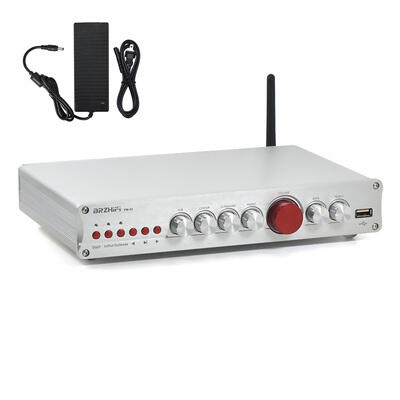
מציאת מגבר מחלקה A הטוב ביותר לחדר האזנה קטן דורש התייחסות זהירה למספר גורמים טכניים ומעשיים. הגברה מחלקה A מייצגת את שיא איכות השמע, ומציעה ניקיון סאונד ייחודי ופרטי מוזיקליים שמאוד מוערכים על ידי חובבי שמע כבר עשורים רבים. בבחירת הגברה לחללים קטנים להאזנה, הסינרגיה בין מאפייני המגבר לאקוסטיקה של החדר הופכת קריטית במיוחד כדי להשיג את איכות השמע הטובה ביותר. חדרי האזנה קטנים מציגים אתגרים וייחודיות מסוימים שדורשים מאפיינים ספציפיים מהמגבר כדי למקסם את חווית ההאזנה.
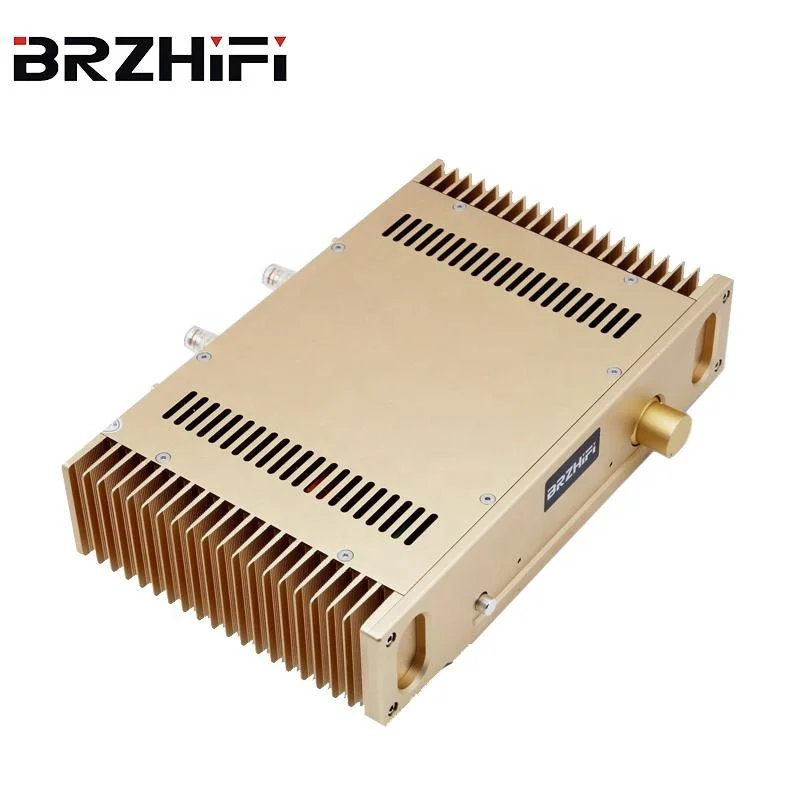
הבנת טכנולוגיית הגברה מסוג כיתה א'
עקרונות הפעולה הטהורים של מחלקת A
מגברות מדרגה A פועלות כך שטרנזיסטורים הפלטיים שלהן מוליכים באופן רציף לאורך מחזור האות המלא, מה שמבטיח אפס עיוות חיבור (crossover distortion) ותחזוקת ליניאריות מושלמת. מצב פעולה זה דורש צריכה משמעותית גבוהה יותר של הספק ומייצר חום רב, אך מספק איכות צליל יוצאת דופן שמייצגת את המגבר המוביל בדרגה A לעומת טופולוגיות אחרות. ההולכה הרציפה מבטיחה שאותות מוזיקליים עוברים דרך שלב ההגברה ללא עקביות מתחלפת (switching artifacts) או אי-סדירות בזמן, אשר עלולות לפגוע בדיוק השמעי.
הדרישות לניהול חום של מערכות מסוג A דורשות פתרונות מתקדמים להסרת חום וביקורת מחמירה בבחירת הרכיבים כדי לשמור על פעילות יציבה. יצרנים איכותיים מממשים מעגלי ביקורת מתח מתקדמים ששמורים על נקודות הפעלה אופטימליות בתנאי טמפרטורה משתנים, ומבטיחים ביצועים עקביים גם במהלך ישיבות האזנה ממושכות. הבנת עקרונות יסוד אלו עוזרת לאודיו-פילים להעריך מדוע המגבר הטוב ביותר מסוג A זוכה למחיר פרמיום, תוך שהו מספק איכות צלילים ללא פשרות.
מאפייני התפוקה הקולית והיתרונות
החתימה הסאונדית של הגברת כיתה A כוללת שקיפות יוצאת דופן בטווח התווך, מבנה הרמוני טבעי, ויכולת יוצאת דופן לאחזרת פרטים ברמה נמוכה, מה שמשפר את הנאות המוזיקלית. הגברות הללו מצליחות להפיק ביעילות טקסטורות עדינות של כלים, גוונים קוליים עדינים של הקול האנושי, ומידע מרחבי שיוצר תצוגת צלילים שכוללת ומעוררת בתוך סביבות הקשבה קטנות. היעדר עיוותי המתח מעניק השמעה חלקה במיוחד בגבהים ללא קשיות או עייפות גם במהלך ישיבות הקשבה ממושכות.
מגברות מדרגה A מציגות גם שליטה מעולה בבאס ותגובה דינמית, מה שחשוב במיוחד בחדרים קטנים שבהם האינטראקציות האקוסטיות עלולות להדגיש או לפגוע בתדרים מסוימים. הפעולה הליניארית שומרת על ביצועים עקביים לאורך כל טווח התדרים, ומבטיחה שמגבר המדרגה הטובה ביותר מסוג A מספק השמע מאוזן ללא תלות במורכבות המוזיקלית או בדרישות הטווח הדינמי. עקביות זו הופכת לערך מיוחד במרחבים אינטימיים להאזנה, שם כל פרט סאונדי נודע בקלות.
שקולים אקוסטיים לחדר קטן להאזנה
השפעת גודל החדר על בחירת מגבר
חדרי האזנה קטנים דורשים בדרך כלל מגברים בעלי הספק נמוך יותר, מכיוון שאנרגיה אקוסטית מצטברת מהר יותר במרחבים מוגבלים, מה שהופך הספק מתון למספיק כדי להשיג רמות האזנה מספקות. המגביר הטוב ביותר מסוג A לחדרים קטנים פועל בדרך כלל בטווח של 10–30 וואט, ומספק זמני הספק מספיקים תוך שימור מצב הפעולה הטהור מסוג A לאורך כל ישיבות האזנה רגילות. דירוגי הספק הגבוהים יותר עלולים להיות מיותרים ויכולים לפגוע באיכות השמע אם המגבר פועל בעיקר ברמות הספק נמוכות מאוד.
מידות החדר משפיעות גם על אפשרויות מיקום הרמקולים ודרישות הטיפול האקוסטי, אשר משפיעות באופן ישיר על שיקולי התאמה של המגבר. במרחבים קטנים נחלקים מגברים בעלי פתרון מעולה ברמות נמוכות ותפיסה דינמית טובה, מכיוון שמעListeners יושבים בדרך כלל קרוב יותר לרמקולים ויוכלו להעריך פרטים מוזיקליים עדינים. הסביבה האקוסטית המ kontrolת של חדרים קטנים מאפשרת למגבר מסוג ה-CLASS A הטוב ביותר לתהות את יכולות הפתרון וההדמיית הקול המצוינות שלו ללא תחרות עם רעידה אקוסטית מוגזמת או השתקפויות אקוסטיות.
דרישות תאימות רמקולים
התאמת אימפדנס הפלט של המגבר לתכונות הרמקול הופכת קריטית בחדרי האזנה קטנים, שבהם האינטראקציות האקוסטיות בולטות יותר. מגבר מחלקת A טוב ביותר צריך להפגין פעילות יציבה עם עקומת האימפדנס הספציפית של הרמקולים שלכם, תוך שמירה על ספקי הספק עקביים בכל טווח התדרים. ירידות באימפדנס נמוך בעיצובי רמקולים עלולות ללחוץ את שלבים הפלטיים של המגבר, מה שעלול לפגוע באיכות השמע או באמינות אם לא תהיינה מתאימים כראוי.
דרוגי הרגישות של הרמקולים משפיעים באופן משמעותי על דרישות הספק המגבר, ועיצובי רמקולים בעלי יעילות גבוהה מאפשרים למגברים מחלקת A נמוכי הספק להגיע לרמות האזנה מספקות. בחדרים קטנים, שילוב של רמקולים יעילים ומגבר מחלקת A איכותי יוצר חווית האזנה אינטימית ומעוררת עניין, אשר לא ניתן לשכפל אותה במרחבים גדולים יותר. הסינרגיה בין תכונות המגבר לרמקולים קובעת את הביצועים הכוללים של המערכת יותר מאשר مواחדות רכיבי הרכיבים בלבד.
תכונות מפתח להערכה
תוצאת כוח ויעילות
קביעת פלט טרור מתאים לחדרי האזנה קטנים דורשת איזון בין רזרבה מספקת של עוצמה לבין שיקולים פרקטיים כגון ייצור חום וצריכת חשמל. ה המפלג המופת של אמפלייפר מחלקה A מספק בדרך כלל רזרבות עוצמה מספקות כדי להתמודד עם שיאי מוזיקה ללא מתח, תוך הפעלה בעיקר באזור המיטבי של עקומת העוצמה שלו. דירוגי עוצמה צנועים נחלים לעיתים קרובות את הדרוש, מאחר שחדרים קטנים דורשים פחות אנרגיה אקוסטית כדי להשיג רמות לחץ קול משכיות.
פיזור החום הופך חשוב במיוחד במרחבי האזנה קטנים, שבהם הציוד פועל בקרבה רבה למשמענים. מגברים איכותיים מסוג כיתה A כוללים מערכות ניהול תרמי יעילות שמאפשרות פעילות יציבה ללא יצירת תנאי האזנה לא נוחים. המגבר הטוב ביותר מסוג כיתה A מאזן בין פלט העוצמה ליעילות תרמית, ומבטיח ביצועים אמינות במהלך ישיבות האזנה ממושכות, מבלי להגרום להתחממות יתרה בסביבות קטנות.
איכות בנייה ובחר ברכיבים
בחירת רכיבים פרימיום מבדילה בין מגברים מהדרגה A יוצאי דופן לבין אלטרנטיבות זולות יותר, כאשר יצרנים איכותיים משתמשים בטרנזיסטורים מתואמים, נגדים מדויקים וקבלים באיכות גבוהה לאורך מסלולי האות. המגבר הטוב ביותר מסוג A כולל פיקוד יציב של ספק הכוח, שלבים קלט איכותיים ומעגלי פלט מעוצבים בזהירות שמשמרים את שלמות האות בכל תנאי פעולה. איכות בנייה עליונה מבטיחה אמינות לטווח ארוך ואת תכונות הביצועים הקבועות לאורך שנים של שימוש.
איכות הבנייה המכנית משפיעה הן על הביצועים והן על האורך חיים, כאשר שדרוג מבנה שזקוף מספק חסימה אלקטרומגנטית יעילה ומערכת בקרה של רעידות. יצרנים איכותיים מיישמים תכנונים מתחשבים של המבנה שממזערים את ההתערבות בין מקטעי המעגלים תוך כדי סיפוק צמחייה מספקת לניהול החום. המגבר מהדרגה הטובה ביותר (Class A) מפגין תשומת לב למפרטים בכל היבטי הבנייה, החל במגוון הרכיבים ועד לאיכות ההרכבה המכנית.
היקשבויות התקנה והגדרה
تهوية וניהול תרמי
תכנון התנופה הנכון הופך לחשוב במיוחד בעת התקנת מגברים מדרגה A בחדרי האזנה קטנים, מאחר שמערכות אלו מייצרות חום משמעותי במהלך הפעולה הרגילה. המגבר מהדרגה הטובה ביותר (Class A) דורש רווח מספיק סביב משטחי הפליטה (heatsinks) ופתחי התנופה כדי לשמור על טמפרטורת הפעלה אופטימלית. מדפים או מערכות מדפי ציוד חייבים לכלול פתרונות לתנופה המאפשרים זרימת אוויר בלתי מופרעת סביב גוף המגבר.
בקרת טמפרטורת הסביבה עוזרת לשמור על ביצועי המגבר ומייצרת חיים ארוכים יותר לרכיבים, במיוחד חשוב במרחבים קומפקטיים שבהם הצטברות חום מתרחשת במהירות רבה יותר. התקנות איכותיות כוללות מערכות ניטור טמפרטורה ווינטילציה שמניעות הצטברות יתר של חום במהלך הפעלות ממושכות של המערכת. המגבר הטוב מסוג A פועל בצורה אופטימלית בטווחי הטמפרטורות שצוינו, אשר שומרים על תכונות הרכיבים ומבטיחים איכות צלילים מיטבית.
שקולות של חיבורים וזרם
כבלים איכותיים לחיבור בין רכיבים (interconnect) ומערכות אספקת זרם מקסמים את הפוטנציאל לביצועים של מגברים מסוג A, דבר שחשוב במיוחד במערכות שגלויה, שבהן תרומת כל רכיב נשמעת בבירור. למגבר הטוב מסוג A יש צורך ברקעים איכותיים, כולל טיפול באספקת הזרם (power conditioning), כבלי חיבור מתאימים, וטכניקות יישור (grounding) נכונות. רכיבי התמיכה האלה מסייעים לממש את הפוטנציאל המלא של ההשקעה במגברי שיא.
איכות מזון החשמל משפיעה על ביצועי מגבר כיתה א' יותר מאשר על טופולוגיות אחרות, בשל הזרם הרציף הנמשך והמאפיינים של פיזור הספק גבוה. מערכות חשמל מיוחדות ומערכות עיבוד חשמל איכותיות מספקות ספקי מתח יציבים וסינון רעשים שמאפשרים למגבר הכיתה הא' הטוב ביותר לפעול ברמה המירבית של הביצועים. התקנה חשמלית תקינה יוצרת את היסודות לאיכות צליל יוצאת דופן ביישומים של חדרי הקשבה קטנים.
הערכת תקציב וערך
ציפיות טווח המחירים
מגברי כיתה א' נמכרים במחיר פרמיום בשל העיצוב המורכב של המעגלים שלהם, רכיבי האיכות הגבוהה שלהם ודרישות הניהול המורחבים של החום. המגבר הטוב ביותר בכיתה א' מהווה השקעה משמעותית, אך מספק איכות צליל עליונה שמתאימה למחיר הגבוה יותר עבור אודיו-פילים רציניים. יש לקחת בחשבון את התחשבות התקציב גם בהוצאות בעלות ארוכת טווח, כולל צריכת החשמל והצורך באחזקה אפשרית לאורך זמן שירותו של המגבר.
הערכה של הערך כוללת השוואה בין יכולות הביצוע למחירAcross יצרנים שונים וטווחי תפוקת הספק. הממבר הטוב ביותר במחלקת A מציע איזון אופטימלי בין איכות השמע, אמינות והתחשבות בעלויות, בהתאמה למטרות האישיות של הקשבה ולמגבלות התקציב. עיצובים איכותיים מספקים בדרך כלל שירות אמין במשך עשורים, מה שהופך אותם להשקעה אסטרטגית ארוכת טווח למעריכי מוזיקה נלהבים.
תכנון מסלול שדרוג
בחירת ממברים עם שדה ביצועים מתאים מאפשרת שדרוג עתידי של המערכת ללא צורך בהחלפת הממבר. הממבר הטוב ביותר במחלקת A צריך לתמוך בשדרוגים אפשריים של רמקולים או שיפורים ברכיבי המקור, תוך שמירה על מאפייני הביצוע האופטימליים. תכנון מסלולי שדרוג עוזר למקסם את הערך הארוך טווח ואת הפוטנציאל להתפתחות המערכת לאורך זמן.
שקולות ערך השוק החוזר משפיעות על עלויות הבעלות הכוללות, כאשר מגברי CLASS A איכותיים שומרים בדרך כלל על ערך שוק חזק בשל המוניטין המתמשך שלהם בקרב חובבי אודיו. המגבר הטוב ביותר מסוג CLASS A מייצרנים מוכרים מפגין ביקוש עקבי בשווקים המשניים, מה שהופך אותו להשקעה ארוכת טווח מושכת. בנייה איכותית ועיצובים קלאסיים מבטיחים רלוונטיות מתמשכת למרות מגמות הטכנולוגיה המתקדמות.
שאלות נפוצות
אילו תפוקת הספק היא אידיאלית לחדרי האזנה קטנים עם מגברי סדרה A?
לחדרי האזנה קטנים דרוש בדרך כלל הספק של 10–30 וואט ממגבר סדרה A, מכיוון שמרחבים אלו משיגים רמות האזנה נאותות גם עם הספק צנוע, הודות לאגירת האנרגיה האקוסטית. המגבר הטוב ביותר מסדרה A מספק את גובה הראש הנדרש לפסגות המוזיקליות, תוך שהמגבר פועל בעיקר במישור ההספק האופטימלי שלו, ומבטיח פעילות טהורה של סדרה A במהלך ישיבות האזנה הרגילות.
מהי החשיבות של ניהול חום במגברי סדרה A במרחבים קטנים?
ניהול תרמי הוא קריטי למגברות מדרגה A בחללים קטנים לשמע, בשל פעולת הזרם הגבוהה המתמשכת שלהם וייצור החום. ויסות אוויר נאות ושליטה בטמפרטורה מבטיחים ביצועים יציבים, חיים ארוכים של רכיבים ותנאי שמע נוחים. המגבר הטוב ביותר מדרגה A כולל מערכות פיזור חום יעילות המתאימות לסביבות התקנה קומפקטיות.
האם מגברות מדרגה A פועלות היטב עם כל סוגי הרמקולים בחדרים קטנים?
מגברות מדרגה A פועלות טוב ביותר עם רמקולים התואמים את מאפייני הפלט והיכולת הספקית שלהן, דבר חשוב במיוחד בחדרים קטנים בהם האינטראקציות האקוסטיות בולטות יותר. רמקולים בעלי יעילות גבוהה מתאימים לרוב למגברות מדרגה A בעוצמת הספק נמוכה, בעוד שרמקולים בעלי אימפדנס נמוך עשויים להצריך שלבים חזקים יותר בפלט. המגבר הטוב ביותר מדרגה A צריך להפגין פעילות יציבה בהתאם לדרישות הרמקולים הספציפיות שלכם.
מה גורם למגברות מדרגה A להיות שווים את העלויות הגבוהות שלהן לחדרים קטנים לשמע?
מגברות מחלקה A מצדיקות מחיר פרימיום בזכות איכות השמע העליונה שלהן, כולל שקיפות יוצאת דופן בטווח התווך, חוסר מוחלט של עיוות מעבר (crossover distortion), ויכולת יוצאת דופן לשחזר פרטים ברמה נמוכה מאוד – מה שמופיע במיוחד בסביבות האזנה אינטימיות. המגבר הטוב ביותר מחלקה A מספק מעורבות מוזיקלית דיוק סוני שמשפר את חוויית האזנה בדרכים שמצדיקות את ההשקעה לאודיפילים רציניים.