
 EN
EN
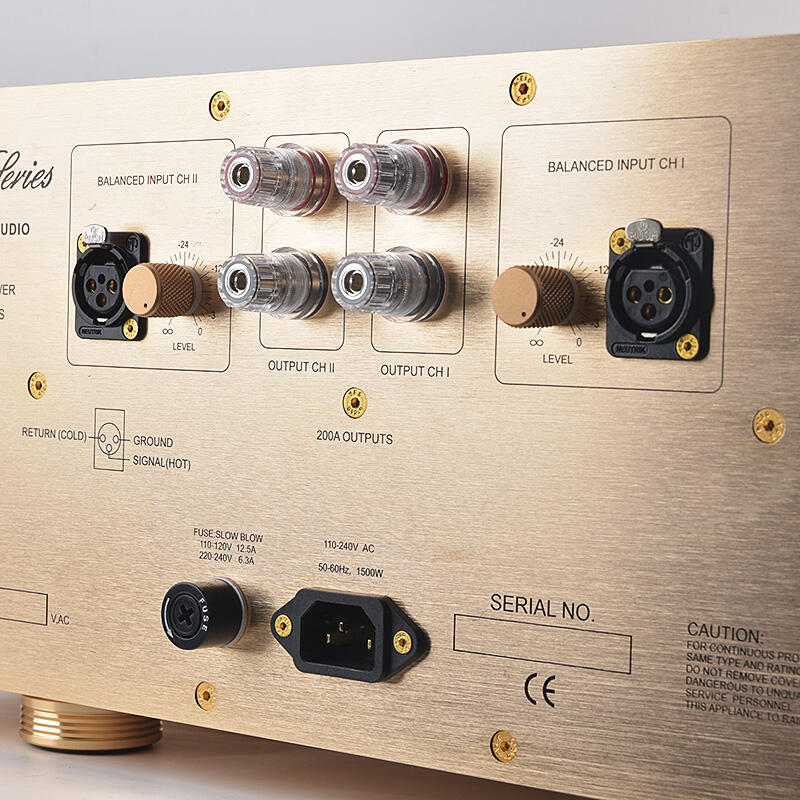
The world of digital audio has revolutionized how we consume music, offering unprecedented convenience and quality for both streaming enthusiasts and local file collectors. When searching for the best digital players, consumers face an overwhelming array of options ranging from portable devices to sophisticated home audio systems. Modern digital music players have evolved far beyond simple MP3 playback, now supporting high-resolution formats, wireless connectivity, and advanced digital-to-analog conversion technologies that can transform your listening experience.
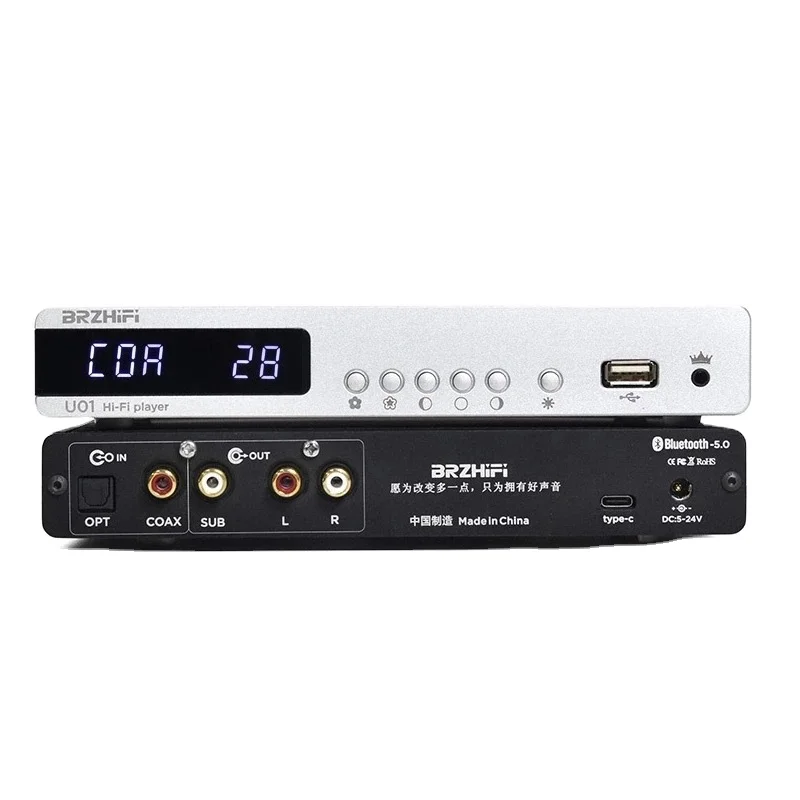
Understanding your specific audio needs is crucial before investing in premium digital playback equipment. Whether you prioritize portable convenience for daily commutes, wireless streaming capabilities for modern connectivity, or audiophile-grade components for critical listening, the market offers specialized solutions. The best digital players combine superior sound quality with user-friendly interfaces, robust build quality, and comprehensive format support to deliver exceptional performance across diverse listening scenarios.
Understanding Digital Player Categories and Applications
Portable Digital Audio Players
Portable digital audio players represent the most popular category for personal music consumption, offering the perfect balance between sound quality and mobility. These devices typically feature compact designs, long battery life, and support for multiple audio formats including FLAC, DSD, and high-resolution PCM files. When evaluating the best digital players in this category, consider factors such as storage capacity, battery performance, display quality, and physical controls that enhance usability during active use.
Modern portable players often incorporate advanced DAC chips and amplifier circuits that rival desktop components, enabling exceptional audio reproduction through both wired headphones and wireless connections. Many premium models support balanced output connections, providing improved signal integrity and reduced noise for demanding headphone setups. The best digital players in this segment also offer customizable equalizer settings, gapless playback, and seamless integration with popular music streaming services.
Desktop and Home Audio Digital Players
Desktop digital players cater to serious audiophiles who prioritize ultimate sound quality over portability, incorporating high-end components and sophisticated circuit designs. These systems typically feature premium DAC implementations, multiple input options, and robust power supplies that minimize electrical interference. The best digital players for home use often support various digital input formats including USB, optical, coaxial, and network streaming protocols that accommodate diverse source components.
Professional-grade digital players designed for home audio systems frequently include advanced features such as upsampling capabilities, digital filters, and tube or solid-state output stages that allow users to customize their sound signature. These devices often serve as central hubs for digital music collections, supporting network attached storage, DLNA streaming, and integration with popular music management software. The most sophisticated models offer room correction capabilities and multi-zone audio distribution for comprehensive home audio solutions.
Essential Features and Technical Specifications
Digital-to-Analog Conversion Technology
The heart of any digital music player lies in its digital-to-analog conversion circuitry, which directly impacts sound quality and overall performance characteristics. The best digital players incorporate high-quality DAC chips from renowned manufacturers such as ESS Sabre, AKM, or Burr-Brown, each offering distinct sonic signatures and technical capabilities. Understanding DAC specifications such as signal-to-noise ratio, total harmonic distortion, and dynamic range helps identify players that deliver exceptional audio fidelity.
Advanced digital players often employ delta-sigma or R-2R DAC architectures, each providing unique advantages for different listening preferences and musical genres. Delta-sigma designs typically offer excellent measurements and precise digital filtering, while R-2R implementations often provide more natural, analog-like sound reproduction. The best digital players may also include multiple DAC chips in parallel or differential configurations to further enhance performance and reduce distortion.
Format Support and Compatibility
Comprehensive format support ensures your digital player can handle current music collections while remaining compatible with future audio formats and streaming standards. The best digital players support lossless formats such as FLAC, ALAC, and DSD, along with high-resolution PCM files up to 32-bit/768kHz for maximum audio fidelity. Many modern devices also decode MQA files, providing access to master-quality recordings from select streaming services and download platforms.
Streaming compatibility has become increasingly important as music consumption habits shift toward cloud-based services and network audio solutions. Premium digital players often include built-in Wi-Fi, Bluetooth, and ethernet connectivity for seamless integration with Spotify, Tidal, Qobuz, and other popular platforms. The most versatile players support multiple streaming protocols including AirPlay, Chromecast, and DLNA for broad compatibility with smartphones, tablets, and computer systems.
Connectivity Options and Integration Capabilities
Wired Connection Interfaces
Professional digital players offer multiple connection options to accommodate various audio systems and personal preferences, ensuring optimal signal integrity and system compatibility. Standard 3.5mm headphone outputs provide universal compatibility, while balanced XLR or 4.4mm connections deliver improved performance with high-impedance headphones and professional audio equipment. The best digital players often include both single-ended and balanced outputs to maximize compatibility across diverse audio setups.
Digital output connections such as optical and coaxial SPDIF allow integration with external DACs and audio processors, enabling system upgrades and customization without replacing the entire player. USB output connections provide bit-perfect digital audio transmission to compatible DACs, while some advanced players include I2S outputs for ultimate signal purity. Line-level analog outputs facilitate connection to integrated amplifiers, preambifiers, and active speakers for complete audio system integration.
Wireless Technologies and Smart Features
Modern digital players increasingly incorporate wireless technologies that enhance convenience and expand functionality beyond traditional wired connections. Bluetooth connectivity enables quick pairing with wireless headphones, speakers, and car audio systems, while advanced codecs such as aptX HD and LDAC maintain audio quality over wireless links. Wi-Fi integration allows access to streaming services, firmware updates, and network music libraries without requiring physical connections to computers or routers.
Smart features such as mobile app control, voice activation, and multi-room audio support transform digital players into sophisticated entertainment hubs. Many premium models include touchscreen interfaces, gesture controls, and customizable user interfaces that simplify navigation through large music collections. The best digital players often support over-the-air updates that add new features and improve performance throughout the product lifecycle.
Performance Considerations and Audio Quality Factors
Power Supply and Electrical Design
The power supply design significantly impacts overall audio performance, with premium digital players employing sophisticated regulation circuits and high-quality components. Linear power supplies typically provide cleaner power delivery compared to switching designs, resulting in lower noise floors and improved dynamic range. The best digital players often incorporate separate power supplies for digital and analog sections, minimizing cross-contamination and maintaining signal purity throughout the audio chain.
Advanced electrical designs include careful component selection, optimized circuit layouts, and extensive shielding to minimize electromagnetic interference. Premium players may feature high-quality capacitors, precision resistors, and low-noise operational amplifiers that enhance overall sound quality. Thermal management through efficient heat dissipation ensures consistent performance during extended listening sessions and prevents component degradation over time.
Build Quality and Durability Standards
Professional-grade digital players emphasize robust construction and premium materials that ensure long-term reliability and consistent performance. Aluminum chassis provide excellent electromagnetic shielding while dissipating heat effectively, while high-quality mechanical components ensure smooth operation of physical controls and connections. The best digital players undergo extensive quality testing and incorporate redundant protection circuits that safeguard against electrical damage and component failure.
Attention to mechanical design details such as vibration isolation, secure component mounting, and precision-machined parts contributes to overall audio performance and system longevity. Premium manufacturers often provide comprehensive warranties and ongoing technical support that protect your investment and ensure optimal performance throughout the product lifespan. Environmental considerations such as operating temperature ranges and humidity tolerance ensure reliable operation across diverse conditions.
Selecting the Right Digital Player for Your Needs
Budget Considerations and Value Analysis
Digital player pricing spans from affordable entry-level models to premium audiophile systems, with performance and features scaling accordingly across different price segments. Entry-level players typically offer basic functionality and acceptable sound quality for casual listening, while mid-range options provide enhanced features and improved components. The best digital players in premium categories deliver exceptional performance through advanced technologies and superior build quality that justify higher investment levels.
Evaluating long-term value involves considering factors beyond initial purchase price, including upgrade potential, format support longevity, and manufacturer reputation for ongoing support. Some players offer modular designs that allow component upgrades, extending product lifespan and maintaining contemporary performance standards. The most cost-effective approach often involves selecting players with slight excess capability to accommodate future needs and technological developments.
System Integration and Compatibility Planning
Successful digital player selection requires careful consideration of existing audio equipment and future expansion plans to ensure optimal system synergy. Impedance matching between players and headphones or amplifiers affects both sound quality and maximum output levels, while gain settings must accommodate sensitive or demanding transducers. The best digital players offer adjustable output levels and impedance settings that optimize performance across diverse audio equipment combinations.
Interface compatibility ensures seamless integration with existing digital sources, streaming services, and control systems throughout your audio setup. Consider factors such as remote control compatibility, mobile app functionality, and integration with home automation systems when evaluating different player options. Future-proofing through support for emerging formats and connectivity standards helps protect your investment against technological obsolescence.
FAQ
What audio formats should the best digital players support?
The best digital players should support all common lossless formats including FLAC, ALAC, and WAV, along with high-resolution PCM files up to 24-bit/192kHz or higher. DSD support is valuable for accessing Super Audio CD content, while MQA compatibility provides access to master-quality streaming content. Ensure your chosen player handles your existing music collection formats and supports emerging standards for future compatibility.
How important is the DAC quality in digital music players?
DAC quality significantly impacts overall sound reproduction, making it one of the most critical components in any digital player. High-quality DAC implementations provide better signal-to-noise ratios, lower distortion, and more accurate audio reproduction across the frequency spectrum. While DAC specifications provide useful guidance, listening tests remain the best method for evaluating real-world performance differences between various implementations.
Do wireless connections compromise audio quality in digital players?
Modern wireless technologies such as aptX HD, LDAC, and Wi-Fi streaming can deliver excellent audio quality that approaches wired connections when implemented properly. However, Bluetooth compression still introduces some quality limitations compared to wired connections, particularly for high-resolution audio content. The best digital players offer both wired and wireless options, allowing users to choose the most appropriate connection method for each listening scenario.
What storage capacity do I need for a portable digital player?
Storage requirements depend on your music collection size and preferred audio formats, with lossless files requiring significantly more space than compressed formats. A typical album in FLAC format occupies 300-500MB, while high-resolution files can exceed 1GB per album. Consider players with expandable storage through microSD cards if your collection exceeds the internal capacity, ensuring room for future growth and diverse format support.