
 EN
EN
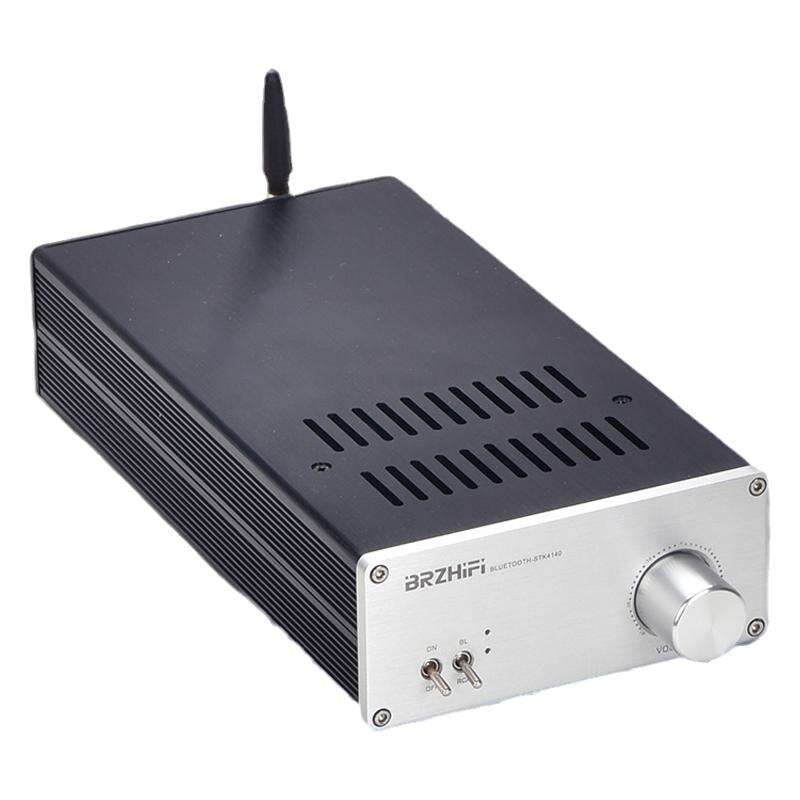
Selecting the right power amplifier manufacturer for OEM orders requires a comprehensive audit process that evaluates multiple critical factors. The success of your audio product line depends heavily on partnering with a reliable manufacturer who can deliver consistent quality, meet production deadlines, and provide competitive pricing. Understanding how to properly assess a power amplifier manufacturer will help you avoid costly mistakes and establish long-term partnerships that drive business growth.
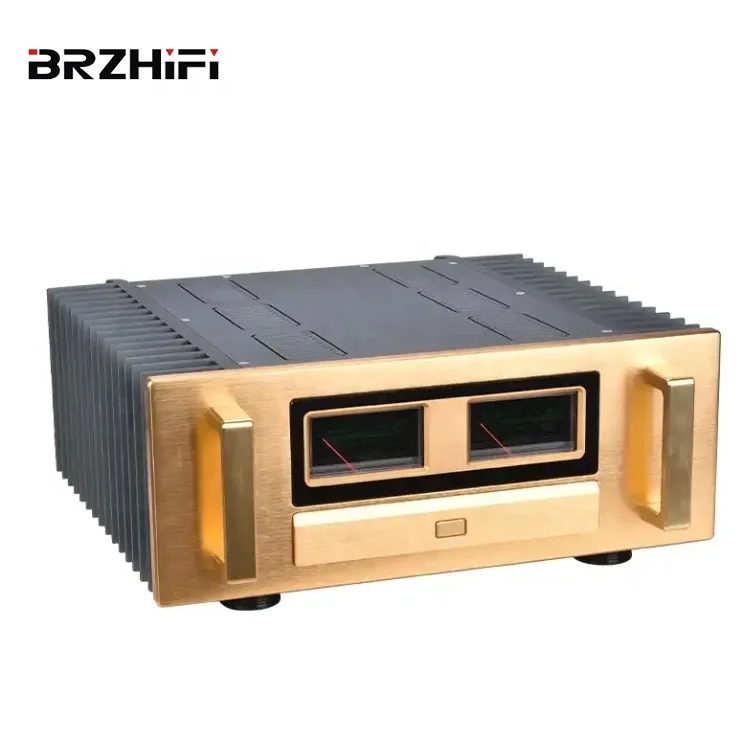
A thorough manufacturer audit involves examining production capabilities, quality control systems, certifications, and financial stability. The audio industry demands precision engineering and consistent performance, making it essential to evaluate potential partners through multiple lenses. This comprehensive approach ensures that your chosen power amplifier manufacturer can meet both current requirements and future scaling needs while maintaining the high standards your customers expect.
Manufacturing Capabilities and Infrastructure Assessment
Production Capacity Evaluation
When auditing a power amplifier manufacturer, begin by thoroughly examining their production capacity and infrastructure. Visit their manufacturing facilities to assess the scale of operations, equipment sophistication, and overall production workflow. A reputable manufacturer should have modern assembly lines specifically designed for electronic components, automated testing equipment, and climate-controlled environments to ensure consistent product quality.
Document the manufacturer's current production volumes, lead times, and capacity utilization rates. This information helps determine whether they can handle your expected order quantities without compromising quality or delivery schedules. Pay particular attention to their ability to scale production during peak seasons or when your business experiences growth spurts.
Technology and Equipment Standards
Modern power amplifier manufacturing requires sophisticated technology and precision equipment. Evaluate the manufacturer's investment in current-generation machinery, including surface-mount technology (SMT) lines, automated optical inspection (AOI) systems, and advanced testing equipment. These technological capabilities directly impact product reliability, consistency, and overall manufacturing efficiency.
Assess their research and development capabilities, including access to cutting-edge design software, prototyping equipment, and testing laboratories. A forward-thinking power amplifier manufacturer should demonstrate continuous investment in technology upgrades and process improvements to maintain competitive advantages in the market.
Quality Management Systems and Certifications
ISO Standards Compliance
Verify that your potential power amplifier manufacturer maintains current ISO 9001 certification, which demonstrates adherence to international quality management standards. This certification indicates that the manufacturer has implemented systematic quality control processes, maintains detailed documentation, and regularly undergoes third-party audits to ensure compliance with established standards.
Additionally, look for industry-specific certifications such as ISO 14001 for environmental management and OHSAS 18001 for occupational health and safety. These certifications reflect the manufacturer's commitment to responsible business practices and long-term sustainability, which are increasingly important factors in supplier selection decisions.
Quality Control Procedures
Examine the manufacturer's quality control procedures throughout the entire production process. This includes incoming material inspection, in-process testing, final product verification, and packaging quality checks. A reliable manufacturer should have documented procedures for each stage, with clear acceptance criteria and corrective action protocols when issues arise.
Request detailed information about their defect tracking systems, customer complaint handling procedures, and continuous improvement initiatives. The best manufacturers use statistical process control methods to monitor production quality and implement preventive measures before problems affect product shipments.
Financial Stability and Business Continuity
Financial Health Assessment
Conduct a thorough financial analysis of your potential power amplifier manufacturer to ensure long-term partnership viability. Request recent financial statements, credit ratings, and references from existing customers and suppliers. Financial stability indicators include consistent revenue growth, healthy profit margins, manageable debt levels, and adequate working capital to support operations.
Consider the manufacturer's investment patterns in facility upgrades, equipment purchases, and employee development. These investments demonstrate commitment to business growth and suggest the financial resources necessary to support your partnership over the long term.
Supply Chain Resilience
Evaluate the manufacturer's supply chain management capabilities, including relationships with component suppliers, inventory management systems, and contingency planning for supply disruptions. A robust supply chain ensures consistent material availability and helps maintain production schedules even during market volatility or unexpected demand fluctuations.
Assess their supplier diversification strategies and backup sourcing arrangements for critical components. The most reliable manufacturers maintain multiple qualified suppliers for key materials and have established protocols for rapid supplier qualification when needed.
Technical Expertise and Design Capabilities
Engineering Team Qualifications
Review the technical qualifications and experience levels of the manufacturer's engineering team. A competent power amplifier manufacturer should employ engineers with relevant degrees in electrical engineering, electronics, or related fields, plus specific experience in audio amplifier design and manufacturing processes.
Examine their track record of successful product developments, including any patents, published research, or industry recognition for technical innovations. Strong engineering capabilities enable the manufacturer to provide design support, troubleshoot technical issues, and adapt products to meet specific customer requirements.
Customization and Design Support Services
Determine the extent of customization services offered by the power amplifier manufacturer, including circuit modifications, mechanical adaptations, and software programming capabilities. Many OEM customers require specific features, performance characteristics, or form factors that differ from standard products.
Evaluate their prototyping capabilities, design validation processes, and timeline expectations for custom development projects. The most valuable manufacturing partners can provide comprehensive design support from initial concept through production launch, helping reduce your development costs and time-to-market.
Communication and Project Management
Communication Protocols
Establish clear communication protocols with your potential power amplifier manufacturer to ensure smooth project coordination and issue resolution. Effective communication includes regular progress updates, technical documentation sharing, and established escalation procedures for urgent matters.
Assess their language capabilities, time zone considerations, and preferred communication methods. Many successful international partnerships rely on dedicated project managers who serve as primary contacts and coordinate activities across different departments within the manufacturing organization.
Project Management Systems
Review the manufacturer's project management methodologies and tracking systems. Professional manufacturers typically use established project management frameworks that provide visibility into project status, milestone achievements, and potential risks or delays.
Examine their change management processes, including how they handle specification changes, scope modifications, and timeline adjustments during production. Clear change management procedures help prevent misunderstandings and ensure that all parties agree on project modifications before implementation.
Intellectual Property and Confidentiality
IP Protection Measures
Verify that the power amplifier manufacturer has adequate intellectual property protection measures in place to safeguard your proprietary designs, specifications, and business information. This includes secure data storage systems, access controls, and employee confidentiality agreements.
Review their policies regarding customer design ownership, including any claims to derivative works or improvements made during the manufacturing process. Clear IP agreements prevent future disputes and protect your competitive advantages in the marketplace.
Non-Disclosure Agreements
Establish comprehensive non-disclosure agreements (NDAs) before sharing sensitive technical information or business plans with potential manufacturers. These agreements should cover all aspects of your relationship, including technical specifications, pricing information, market strategies, and customer lists.
Ensure that the NDA terms extend to the manufacturer's subcontractors, suppliers, and any third parties who might have access to your confidential information during the manufacturing process. Strong confidentiality protections are essential for maintaining competitive advantages and protecting valuable business assets.
Cost Analysis and Pricing Structure
Total Cost of Ownership Evaluation
Conduct a comprehensive total cost of ownership analysis when evaluating different power amplifier manufacturer options. This analysis should include not only the unit manufacturing costs but also development fees, tooling costs, shipping expenses, quality-related costs, and potential warranty or support expenses.
Consider long-term cost implications such as price escalation clauses, volume discount structures, and currency fluctuation impacts for international manufacturers. The lowest initial price may not represent the best value when considering all associated costs over the product lifecycle.
Pricing Transparency and Structure
Request detailed pricing breakdowns that clearly identify material costs, labor charges, overhead allocations, and profit margins. Transparent pricing helps you understand cost drivers and provides a foundation for future price negotiations or value engineering initiatives.
Evaluate the manufacturer's pricing flexibility for different order volumes, payment terms, and contract durations. Many manufacturers offer more competitive pricing for longer-term commitments or larger volume commitments, which can provide significant cost savings for established product lines.
FAQ
What are the most critical factors to evaluate when auditing a power amplifier manufacturer?
The most critical factors include manufacturing capabilities and capacity, quality management systems and certifications, financial stability, technical expertise, and communication protocols. Additionally, assess their intellectual property protection measures, pricing transparency, and supply chain resilience. A comprehensive evaluation should cover both current capabilities and future scalability to support your business growth.
How can I verify the quality standards of a potential power amplifier manufacturer?
Verify quality standards by reviewing their ISO certifications, conducting facility inspections, examining quality control procedures, and requesting customer references. Review their defect tracking systems, testing protocols, and continuous improvement initiatives. Ask for quality metrics such as defect rates, customer satisfaction scores, and on-time delivery performance to validate their quality claims.
What documentation should I request during the manufacturer audit process?
Request comprehensive documentation including quality certifications, financial statements, customer references, technical capabilities overviews, and production capacity reports. Also obtain copies of their quality manuals, process flow charts, testing procedures, and supplier qualification requirements. This documentation provides objective evidence of their capabilities and commitment to quality standards.
How do I assess the long-term viability of a power amplifier manufacturer partnership?
Assess long-term viability by evaluating financial stability, investment in technology upgrades, market reputation, and growth trajectory. Review their strategic plans, research and development investments, and ability to adapt to changing market conditions. Consider their customer retention rates, employee stability, and commitment to continuous improvement as indicators of sustainable business practices and partnership potential.
Table of Contents
- Manufacturing Capabilities and Infrastructure Assessment
- Quality Management Systems and Certifications
- Financial Stability and Business Continuity
- Technical Expertise and Design Capabilities
- Communication and Project Management
- Intellectual Property and Confidentiality
- Cost Analysis and Pricing Structure
-
FAQ
- What are the most critical factors to evaluate when auditing a power amplifier manufacturer?
- How can I verify the quality standards of a potential power amplifier manufacturer?
- What documentation should I request during the manufacturer audit process?
- How do I assess the long-term viability of a power amplifier manufacturer partnership?