
 EN
EN
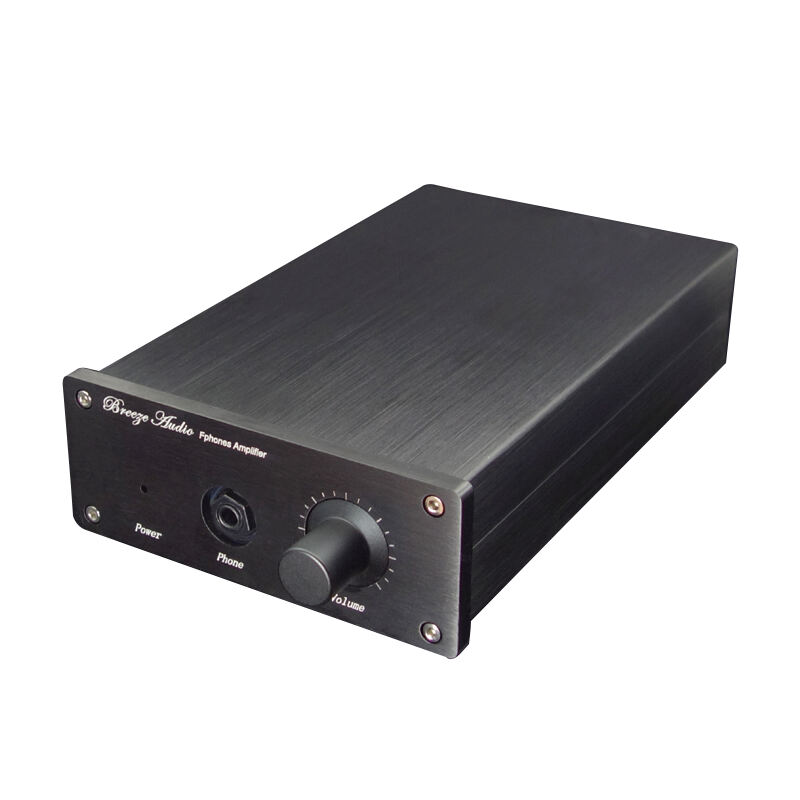
Matching speakers with compatible amplifiers forms the foundation of any exceptional audio system. Whether you're building a professional studio setup or enhancing your home entertainment experience, understanding the relationship between amplifiers and speakers determines the quality and longevity of your sound system. When searching for the perfect speaker for sale, many enthusiasts overlook the critical importance of amplifier compatibility, leading to suboptimal performance or potential equipment damage. This comprehensive guide explores the essential factors that ensure your speakers and amplifiers work harmoniously together, delivering the audio excellence you desire.
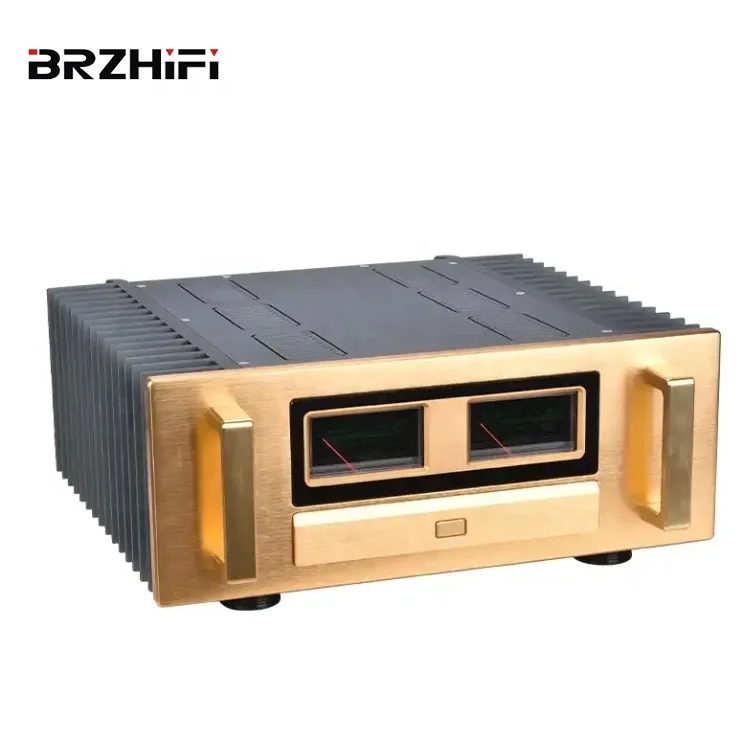
Understanding Power Specifications and Impedance Matching
Power Rating Fundamentals
Power specifications represent the most critical aspect of speaker-amplifier compatibility. Every speaker for sale includes power handling specifications, typically expressed in watts RMS (Root Mean Square) and peak power ratings. RMS power indicates the continuous power a speaker can handle without damage, while peak power represents short-term maximum capacity. Your amplifier must deliver power within the speaker's RMS range to ensure optimal performance and prevent damage. Underpowering speakers can result in distortion and clipping, while overpowering risks permanent driver damage.
Understanding the relationship between amplifier output and speaker power requirements helps you make informed decisions when selecting audio equipment. Professional audio engineers recommend matching amplifier power to approximately 75-100% of the speaker's RMS rating for optimal headroom and dynamic range. This approach ensures your system can handle sudden peaks in audio content without strain or distortion. When evaluating any speaker for sale, always verify these power specifications match your amplifier's capabilities.
Impedance Matching Principles
Speaker impedance, measured in ohms, determines how much electrical resistance the speaker presents to the amplifier. Common impedance ratings include 4, 8, and 16 ohms, with 8 ohms being the most standard for home audio applications. Your amplifier must be designed to handle the specific impedance of your chosen speakers to operate safely and efficiently. Mismatched impedance can cause amplifier overheating, reduced power output, or complete system failure. Most quality amplifiers specify their power output at different impedance levels, allowing you to select the appropriate speaker for sale that matches your amplifier's optimal operating conditions.
When connecting multiple speakers to a single amplifier, impedance calculations become more complex. Series connections increase total impedance, while parallel connections decrease it. Understanding these calculations prevents amplifier overload and ensures consistent performance across all connected speakers. Professional installations often employ impedance matching transformers or specialized switching systems to maintain proper load characteristics throughout the audio chain.
Frequency Response and Driver Compatibility
Frequency Range Considerations
Every speaker for sale features specific frequency response characteristics that must complement your amplifier's output capabilities. Full-range speakers attempt to reproduce the entire audible spectrum, while specialized drivers focus on specific frequency bands such as tweeters for high frequencies or woofers for low frequencies. Your amplifier should provide consistent power delivery across the frequency range your speakers are designed to reproduce. Some amplifiers include built-in crossover circuits or tone controls that can enhance compatibility with specific speaker types.
Matching frequency response characteristics ensures balanced sound reproduction without gaps or peaks in certain frequency ranges. High-quality amplifiers maintain linear frequency response across their operating range, providing consistent power delivery from 20Hz to 20kHz. When selecting speakers, consider how their frequency response complements your listening preferences and room acoustics. Professional monitors and audiophile speakers often feature extended frequency response that requires amplifiers with exceptional low-noise performance and wide bandwidth capabilities.
Driver Protection and Crossover Integration
Multi-driver speaker systems incorporate crossover networks that divide the audio signal into appropriate frequency bands for each driver. These crossovers can be passive components built into the speaker cabinet or active electronic circuits within the amplifier or separate processor. Understanding crossover integration helps you select the right speaker for sale that matches your amplifier's configuration. Active crossover systems require multiple amplifier channels but offer superior control and efficiency compared to passive designs.
Driver protection becomes especially important when matching high-power amplifiers with delicate tweeter elements. Many modern speakers include protection circuits that prevent tweeter damage from excessive power or DC voltage. Your amplifier should incorporate similar protection features, including current limiting, thermal shutdown, and DC offset protection. These safety mechanisms ensure long-term reliability and prevent costly driver replacement when system parameters exceed safe operating limits.
Room Acoustics and Speaker Placement Optimization
Acoustic Environment Assessment
Room acoustics significantly influence the performance of any speaker for sale and its compatibility with amplifier power requirements. Large rooms with high ceilings and hard surfaces require more amplifier power to achieve adequate listening levels, while smaller, acoustically treated spaces may perform well with modest power levels. Understanding your listening environment helps determine the appropriate speaker sensitivity and power requirements for optimal performance. Reflective surfaces create standing waves and frequency response irregularities that may require specific speaker placement or acoustic treatment to resolve.
Professional acoustic analysis involves measuring room response characteristics using specialized test equipment and software. However, basic room assessment can identify obvious acoustic challenges such as parallel walls, large glass surfaces, or insufficient furnishing that affects sound quality. These environmental factors influence your choice of speakers and may require amplifiers with specific features such as room correction DSP or adjustable output characteristics to compensate for acoustic deficiencies.
Speaker Positioning and Amplifier Requirements
Proper speaker placement maximizes the effectiveness of your amplifier investment and ensures optimal sound reproduction. Near-field monitors require different amplifier characteristics than far-field speakers designed for large listening areas. When evaluating any speaker for sale, consider its intended placement and how this affects amplifier power requirements. Speakers positioned close to walls or corners may exhibit increased bass response that requires amplifiers with excellent low-frequency control and damping characteristics.
Stereo imaging and soundstage performance depend heavily on precise speaker positioning and amplifier channel matching. High-quality amplifiers maintain consistent performance characteristics between channels, ensuring accurate stereo reproduction and imaging. Some amplifiers offer individual channel controls that allow fine-tuning of balance and level matching to compensate for room asymmetries or speaker variations. This flexibility proves valuable when optimizing system performance in challenging acoustic environments.
Technical Specifications and Performance Metrics
Amplifier Topology and Speaker Interaction
Different amplifier topologies interact uniquely with speaker loads, affecting overall system performance and compatibility. Class A amplifiers provide excellent linearity and low distortion but generate significant heat and consume more power than other designs. Class AB amplifiers offer a compromise between efficiency and sound quality, making them popular for both professional and consumer applications. When selecting a speaker for sale, consider how different amplifier classes will affect performance and operating costs.
Class D switching amplifiers achieve high efficiency but may exhibit different frequency response characteristics and electromagnetic interference patterns that affect sensitive speakers. Some speakers include filtering components designed to work optimally with specific amplifier types. Understanding these interactions helps you make informed decisions when building a compatible audio system. Modern amplifier designs often incorporate feedback circuits and compensation networks that improve compatibility across a wide range of speaker types and impedances.
Distortion Characteristics and Speaker Sensitivity
Total Harmonic Distortion (THD) specifications indicate how cleanly an amplifier reproduces audio signals when connected to specific speaker loads. Lower distortion figures generally indicate better performance, but the type and distribution of harmonic content also affects perceived sound quality. High-efficiency speakers require amplifiers with extremely low noise floors and distortion levels to prevent audible artifacts during quiet passages. When shopping for any speaker for sale, verify that your amplifier's distortion specifications meet the performance requirements of your chosen speakers.
Speaker sensitivity ratings, expressed in decibels per watt per meter, determine how much amplifier power is required to achieve specific listening levels. High-sensitivity speakers above 90dB/W/m work well with low-power amplifiers, while inefficient speakers below 85dB/W/m require substantial amplifier power for adequate output levels. Matching amplifier power to speaker sensitivity ensures optimal dynamic range and prevents system limitations during demanding musical passages. Professional sound reinforcement applications often specify minimum amplifier power based on speaker sensitivity and desired maximum output levels.
System Integration and Future Expansion
Multi-Channel Considerations
Modern audio systems often incorporate multiple speakers in surround sound or multi-zone configurations that require careful amplifier channel planning. Each speaker for sale in your system should receive appropriate power allocation while maintaining consistent performance characteristics across all channels. Multi-channel amplifiers must maintain stable operation when driving different speaker types simultaneously, requiring robust power supply design and thermal management. Some installations benefit from separate amplifiers for different speaker groups to optimize performance and provide operational flexibility.
Channel separation and crosstalk specifications become important when multiple speakers share a common amplifier chassis. High-quality multi-channel amplifiers maintain excellent isolation between channels to preserve stereo imaging and prevent interference between different audio sources. When planning system expansion, ensure your amplifier selection provides adequate channels and power reserves for future speaker additions without compromising current performance levels.
Connectivity and Control Integration
Modern amplifier and speaker combinations often incorporate digital connectivity options that affect compatibility and installation requirements. Network-enabled amplifiers can receive digital audio signals directly, bypassing traditional analog connections and potentially improving signal quality. When selecting speakers, consider whether digital processing capabilities or built-in amplification might simplify system integration and reduce compatibility concerns. Some powered speakers include built-in amplification specifically matched to their driver requirements, eliminating amplifier selection challenges entirely.
Control system integration allows centralized management of amplifier and speaker parameters through automation platforms or mobile applications. These features prove valuable in commercial installations or sophisticated home theater systems where multiple zones require independent control. Planning for future integration capabilities helps ensure your speaker for sale selection remains compatible with evolving technology standards and user requirements. Professional installation often benefits from equipment that supports common control protocols and remote monitoring capabilities.
FAQ
What happens if I use an amplifier that's too powerful for my speakers?
Using an overpowered amplifier can damage your speakers if you drive the system beyond the speakers' power handling capacity. However, having more amplifier power than your speakers' rating isn't automatically dangerous. The key is controlling the volume to stay within safe limits. High-power amplifiers actually provide better headroom and cleaner sound at moderate levels. Always monitor listening levels and watch for signs of speaker distress such as harsh sound, rattling, or reduced output. Quality amplifiers include protection circuits that help prevent accidental speaker damage, but user discipline remains the most important safety factor.
Can I connect speakers with different impedance ratings to the same amplifier?
Connecting speakers with different impedance ratings to the same amplifier is possible but requires careful consideration of the total load presented to the amplifier. When speakers are connected in parallel, their impedances combine to create a lower total impedance that the amplifier must handle. Most amplifiers specify minimum impedance ratings that shouldn't be exceeded. Using speakers with different impedance ratings may result in uneven power distribution, with lower impedance speakers receiving more power than higher impedance units. For optimal performance, use speakers with matching impedance ratings or employ impedance matching devices.
How do I determine if my current amplifier is suitable for new speakers I want to purchase?
To determine amplifier suitability for new speakers, compare the amplifier's power output specifications with the speakers' power handling and impedance requirements. Your amplifier should provide between 75-150% of the speakers' RMS power rating at the correct impedance. Check the amplifier's frequency response to ensure it matches the speakers' range, and verify that distortion specifications meet your performance expectations. Consider your listening environment and typical volume levels when assessing power requirements. If your amplifier specifications fall within the speakers' recommended ranges and your listening habits align with the system capabilities, the match should work well.
What role does speaker sensitivity play in amplifier selection?
Speaker sensitivity determines how much amplifier power you need to achieve desired listening levels. High-sensitivity speakers (above 90dB/W/m) require less amplifier power to reach the same volume as low-sensitivity speakers (below 85dB/W/m). A 3dB difference in sensitivity represents a doubling of required amplifier power. For example, if 88dB sensitivity speakers need 100 watts to reach a certain level, 85dB speakers would need 200 watts for the same output. Understanding sensitivity ratings helps you select appropriately powered amplifiers and avoid overbuying power you don't need. This relationship also affects amplifier selection for battery-powered or portable applications where efficiency is crucial.
Table of Contents
- Understanding Power Specifications and Impedance Matching
- Frequency Response and Driver Compatibility
- Room Acoustics and Speaker Placement Optimization
- Technical Specifications and Performance Metrics
- System Integration and Future Expansion
-
FAQ
- What happens if I use an amplifier that's too powerful for my speakers?
- Can I connect speakers with different impedance ratings to the same amplifier?
- How do I determine if my current amplifier is suitable for new speakers I want to purchase?
- What role does speaker sensitivity play in amplifier selection?