
 EN
EN
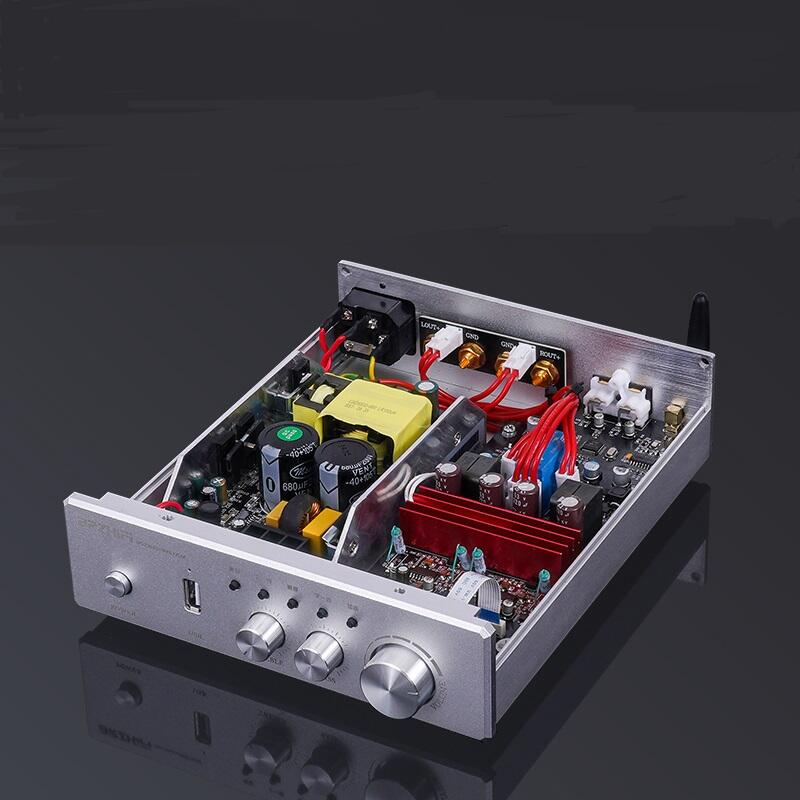
The audio equipment distribution industry has experienced significant growth, particularly in the cd players wholesale market. Distributors who understand how wholesale deals operate can capitalize on this expanding sector by securing profitable partnerships with manufacturers and retailers. The process involves complex negotiations, volume commitments, and strategic planning that can determine the success of your distribution business.
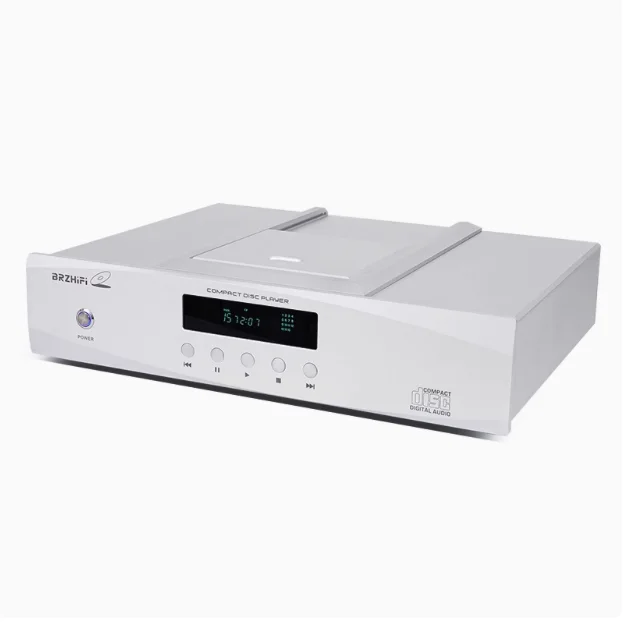
Understanding the mechanics of cd players wholesale transactions requires knowledge of manufacturer relationships, pricing structures, and market demand patterns. Successful distributors develop comprehensive strategies that encompass everything from initial contact with suppliers to final delivery to retail partners. This intricate process demands attention to detail and a thorough understanding of the audio equipment market dynamics.
Understanding Wholesale Pricing Structures
Manufacturer Suggested Retail Price Framework
The foundation of any cd players wholesale deal begins with understanding the manufacturer's pricing framework. Most audio equipment manufacturers establish a Manufacturer Suggested Retail Price (MSRP) that serves as the baseline for all pricing negotiations. Distributors typically receive pricing that ranges from 40% to 60% below MSRP, depending on volume commitments and relationship strength.
Pricing tiers often correlate with order quantities, where larger volume commitments result in better wholesale rates. For example, a distributor ordering 100 units might receive a 45% discount from MSRP, while ordering 500 units could secure a 55% discount. These volume-based pricing structures incentivize distributors to make larger commitments while providing manufacturers with predictable sales volumes.
Territory and Exclusivity Considerations
Many cd players wholesale agreements include territorial restrictions or exclusivity clauses that affect pricing and market positioning. Exclusive distributors often receive better pricing in exchange for territorial limitations and minimum order commitments. These arrangements protect both parties by preventing price wars and ensuring market stability.
Non-exclusive agreements typically offer less favorable pricing but provide greater flexibility in market coverage. Distributors must carefully evaluate whether exclusive territory rights justify potentially higher minimum orders and restricted expansion opportunities. The decision often depends on market size, competition levels, and growth projections within specific geographic regions.
Volume Commitments and Order Minimums
Establishing Minimum Order Quantities
Manufacturers typically establish minimum order quantities (MOQs) for cd players wholesale deals to ensure production efficiency and cost-effectiveness. These minimums vary significantly based on product complexity, manufacturing costs, and market positioning. Entry-level CD players might have MOQs of 50-100 units, while high-end audiophile models could require minimum orders of 20-50 units.
Distributors must balance MOQ requirements with cash flow considerations and market demand forecasts. Ordering too few units results in higher per-unit costs, while excessive inventory ties up capital and increases storage costs. Successful distributors develop sophisticated demand forecasting models that account for seasonal variations, market trends, and competitive dynamics.
Quarterly and Annual Commitment Structures
Many cd players wholesale partnerships involve quarterly or annual volume commitments that provide predictability for both manufacturers and distributors. These agreements often include progressive discount structures where meeting quarterly targets unlocks additional pricing benefits for subsequent orders. Failure to meet commitments might result in pricing penalties or loss of preferred distributor status.
Annual commitments typically offer the best pricing but require substantial upfront planning and financial commitment. Distributors must carefully analyze market capacity, competitor activities, and economic conditions before agreeing to annual volume targets. Some manufacturers offer flexible commitment structures that allow adjustments based on market conditions or unforeseen circumstances.
Payment Terms and Financial Arrangements
Credit Terms and Payment Schedules
Payment terms significantly impact the profitability and cash flow implications of cd players wholesale deals. Standard industry terms range from Net 30 to Net 60 days, with some manufacturers offering early payment discounts of 1-3% for payments within 10-15 days. Established distributors with strong credit histories often negotiate more favorable payment terms.
Letters of credit become important for international cd players wholesale transactions, particularly when dealing with overseas manufacturers. These financial instruments provide security for both parties but add complexity and cost to the transaction process. Distributors must factor letter of credit fees and bank charges into their overall cost calculations when evaluating international wholesale opportunities.
Credit Requirements and Financial Guarantees
Manufacturers typically require credit applications and financial statements before establishing wholesale relationships. Credit limits determine maximum outstanding balances and influence payment terms offered to distributors. Strong financial positions enable better terms, while weaker credit profiles might require personal guarantees, deposits, or shorter payment periods.
Some cd players wholesale agreements include credit insurance or factoring arrangements that provide additional security for manufacturers. These arrangements can benefit distributors by enabling larger credit lines and more favorable terms, though they typically involve additional costs that must be factored into pricing calculations.
Distribution Network Development
Retailer Relationship Management
Successful cd players wholesale operations require strong relationships with retail partners who can effectively market and sell the products to end consumers. Distributors must identify retailers with appropriate customer bases, adequate showroom space, and competent sales staff capable of demonstrating technical products effectively.
Retail partner selection involves evaluating factors such as location demographics, existing product lines, marketing capabilities, and financial stability. The best retail partners complement the distributor's market positioning strategy while providing adequate sales volumes to justify the wholesale relationship. Regular communication and support help maintain strong retailer relationships and drive consistent sales performance.
Market Coverage and Expansion Strategies
Effective market coverage requires strategic planning to ensure adequate geographic distribution without oversaturating markets or creating channel conflicts. Distributors must balance intensive coverage with selective distribution strategies that maintain product positioning and margin integrity. This involves careful retailer selection and ongoing market analysis to identify expansion opportunities.
Geographic expansion in the cd players wholesale market requires understanding regional preferences, competition levels, and regulatory requirements. Different regions may have varying demand patterns, price sensitivities, and preferred product features that influence distribution strategies and inventory planning.
Inventory Management and Logistics
Warehouse and Storage Considerations
Effective cd players wholesale operations require adequate warehouse facilities with appropriate storage conditions for electronic equipment. Climate control, security systems, and proper handling procedures protect inventory from damage while ensuring product quality maintenance. Storage costs must be factored into overall distribution economics when evaluating wholesale opportunities.
Inventory turnover rates significantly impact profitability in cd players wholesale operations. Fast-moving products require different storage and handling strategies compared to specialty items with longer sales cycles. Distributors must balance inventory investment with storage costs while maintaining adequate stock levels to meet customer demand and avoid stockouts.
Shipping and Fulfillment Operations
Efficient fulfillment operations are crucial for maintaining customer satisfaction and controlling distribution costs. This includes selecting appropriate shipping partners, negotiating favorable freight rates, and implementing tracking systems that provide visibility throughout the delivery process. Many cd players wholesale customers expect rapid fulfillment and accurate order processing.
Packaging requirements for electronic equipment involve protecting products from damage while minimizing shipping costs. Original manufacturer packaging often provides the best protection but may not be most cost-effective for distribution purposes. Some distributors repackage products to optimize shipping efficiency while maintaining adequate protection standards.
Marketing and Sales Support
Manufacturer Marketing Programs
Many cd players wholesale agreements include manufacturer-provided marketing support such as advertising materials, product training, and promotional programs. These resources help distributors and retailers effectively market products while maintaining brand consistency and messaging. Cooperative advertising programs can significantly reduce marketing costs for distributors.
Product training programs ensure that distributor sales staff and retail partners understand technical specifications, features, and benefits that differentiate products in competitive markets. Well-trained sales teams can more effectively communicate value propositions to customers and close sales more efficiently. Some manufacturers provide ongoing training updates when new products are introduced.
Digital Marketing and Online Presence
Modern cd players wholesale operations increasingly rely on digital marketing strategies to reach customers and support retail partners. This includes maintaining professional websites, utilizing search engine optimization, and leveraging social media platforms to build brand awareness and generate leads. Digital marketing provides measurable results and cost-effective customer acquisition.
E-commerce capabilities allow distributors to serve smaller retailers and individual customers who might not meet traditional wholesale minimums. Online platforms can expand market reach while reducing transaction costs and improving customer service through automated ordering and tracking systems. However, online sales must be carefully managed to avoid channel conflicts with traditional retail partners.
Quality Control and Technical Support
Product Testing and Quality Assurance
Quality control procedures are essential in cd players wholesale operations to ensure customer satisfaction and minimize returns. This includes incoming inspection protocols, periodic testing of stored inventory, and procedures for handling defective or damaged products. Strong quality control systems protect the distributor's reputation and reduce warranty costs.
Technical support capabilities become increasingly important as products become more sophisticated and customers expect expert assistance. Distributors must either develop internal technical expertise or establish relationships with qualified service providers who can support customers effectively. Technical support quality often differentiates successful distributors from competitors.
Warranty and Service Management
Warranty administration represents a significant operational component of cd players wholesale businesses. This includes processing warranty claims, coordinating repairs, and managing replacement products for defective units. Efficient warranty processes minimize customer disruption while controlling costs associated with defective products.
Service network development involves establishing relationships with qualified repair facilities that can service products throughout the distribution territory. Service capability often influences customer purchasing decisions and affects long-term customer satisfaction. Some distributors develop in-house service capabilities to maintain better control over service quality and response times.
Financial Performance and Profitability Analysis
Margin Analysis and Cost Management
Successful cd players wholesale operations require sophisticated financial analysis to understand true profitability across different product lines, customer segments, and geographic territories. This includes tracking not only gross margins but also allocating overhead costs such as warehousing, shipping, marketing, and administrative expenses to understand net profitability.
Cost management involves continuously evaluating all aspects of the distribution operation to identify efficiency improvements and cost reduction opportunities. This might include negotiating better freight rates, optimizing inventory levels, or streamlining operational processes. Small cost improvements can significantly impact overall profitability in competitive wholesale markets.
Performance Metrics and Key Performance Indicators
Key performance indicators help cd players wholesale distributors monitor business health and identify areas requiring attention. Important metrics include inventory turnover rates, customer acquisition costs, average order values, and customer lifetime values. Regular performance monitoring enables proactive management and strategic adjustments.
Benchmarking performance against industry standards and competitors provides context for evaluating business performance and identifying improvement opportunities. This might involve participating in industry associations, subscribing to market research services, or developing informal networks with other distributors to share performance insights and best practices.
FAQ
What are typical minimum order quantities for cd players wholesale deals
Minimum order quantities for cd players wholesale typically range from 20 to 100 units depending on the product category and manufacturer policies. Entry-level models often have higher minimum orders of 50-100 units, while premium audiophile products might require minimum orders of 20-50 units due to their higher value and more specialized market demand.
How long do wholesale agreements usually last
Most cd players wholesale agreements are structured as annual contracts with automatic renewal clauses, though some manufacturers prefer quarterly review periods for newer distributors. Established relationships often operate under evergreen agreements that continue indefinitely unless terminated by either party with appropriate notice, typically 30 to 90 days.
What profit margins can distributors expect in wholesale cd player deals
Profit margins in cd players wholesale typically range from 15% to 35% after all costs, depending on product positioning, volume levels, and operational efficiency. Premium products often provide higher percentage margins but may have slower turnover rates, while entry-level products offer lower margins but potentially faster inventory movement and higher volume opportunities.
Are exclusive territory rights common in wholesale agreements
Exclusive territory rights are fairly common in cd players wholesale agreements, particularly for established distributors who can demonstrate adequate market coverage and volume commitments. These arrangements typically require minimum annual purchase commitments and may include performance standards that must be maintained to retain exclusivity rights within the designated territory.
Table of Contents
- Understanding Wholesale Pricing Structures
- Volume Commitments and Order Minimums
- Payment Terms and Financial Arrangements
- Distribution Network Development
- Inventory Management and Logistics
- Marketing and Sales Support
- Quality Control and Technical Support
- Financial Performance and Profitability Analysis
- FAQ