
 EN
EN
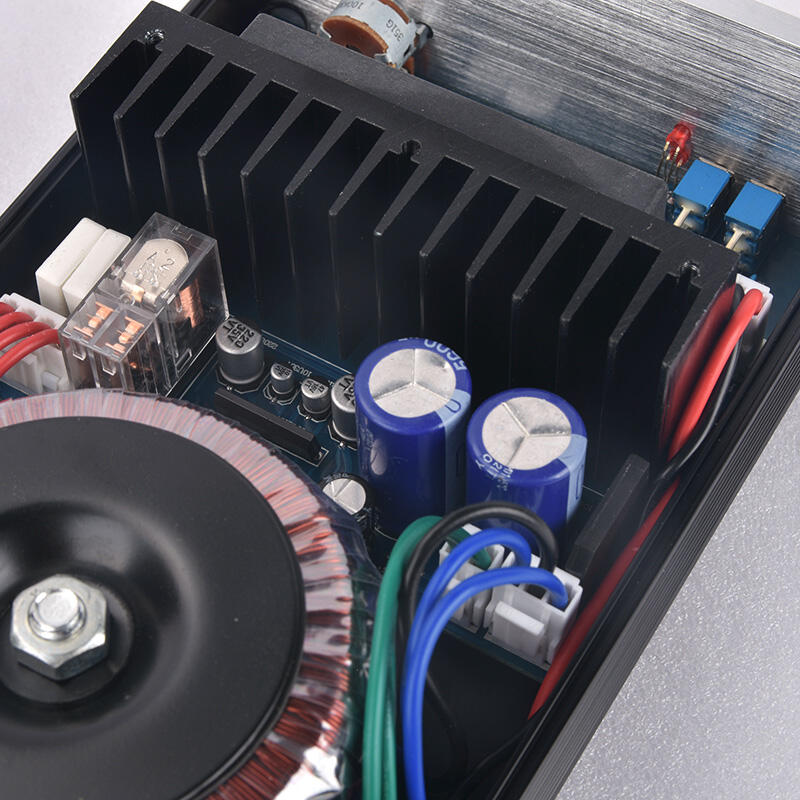
A surround sound system transforms your living room into an immersive entertainment hub, delivering audio experiences that standard TV speakers simply cannot match. Whether you're watching action-packed blockbusters, enjoying concert performances, or gaming with friends, the right surround sound system creates dimensional audio that places you at the center of the action. Modern home theater enthusiasts recognize that visual quality is only half the equation when creating a truly captivating entertainment environment.
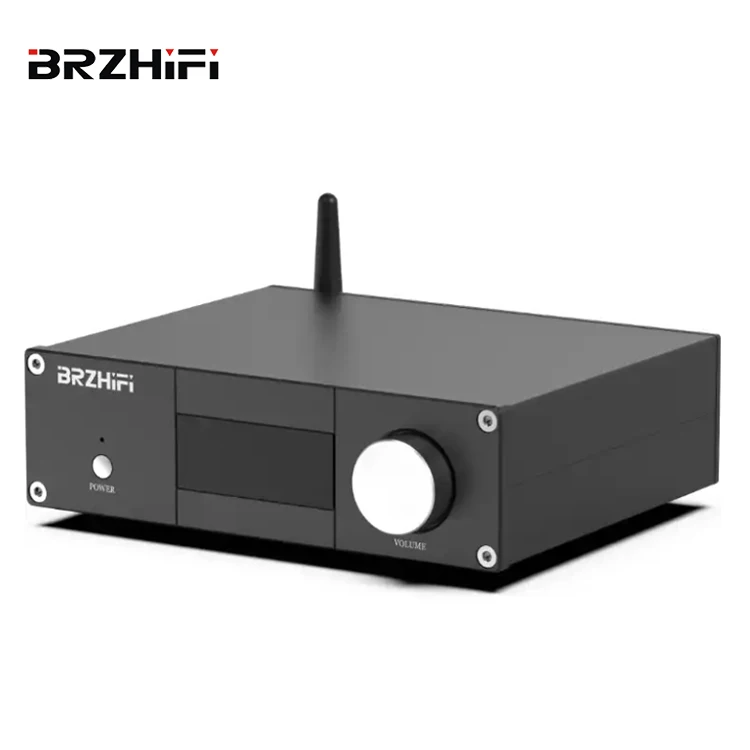
The evolution of audio technology has made professional-grade surround sound accessible to homeowners seeking cinema-quality experiences without the premium theater ticket prices. A well-designed surround sound system enhances dialogue clarity, amplifies sound effects with precision, and creates atmospheric depth that draws viewers deeper into their favorite content. Understanding how these systems work and what benefits they provide helps consumers make informed decisions about upgrading their home entertainment setups.
Understanding Surround Sound Technology
Multi-Channel Audio Architecture
Surround sound systems utilize multiple audio channels to create three-dimensional soundscapes that envelop listeners from various directions. Traditional stereo setups use two channels (left and right), while a comprehensive surround sound system employs five, seven, or even more channels to position sounds accurately within the listening environment. Each channel carries specific audio information designed to reach your ears at precise timing intervals, creating the illusion that sounds originate from their intended locations on screen.
The most common configuration is the 5.1 surround sound system, featuring five main speakers (front left, front right, center, rear left, rear right) plus one subwoofer for low-frequency effects. This arrangement provides excellent spatial audio reproduction for most home theaters, delivering clear dialogue through the center channel while positioning ambient sounds and effects through the surrounding speakers. Advanced systems like 7.1 or 9.1 configurations add additional rear and side channels for even more precise sound placement.
Digital Signal Processing
Modern surround sound systems incorporate sophisticated digital signal processing (DSP) technology that analyzes incoming audio signals and distributes them appropriately across multiple speakers. This processing ensures that movie soundtracks, music, and gaming audio maintain their intended spatial relationships regardless of the source format. Advanced DSP algorithms can even create surround effects from stereo sources through intelligent sound field expansion techniques.
The digital amplification found in contemporary systems provides clean, distortion-free power delivery to each speaker channel while maintaining precise volume control across the entire frequency spectrum. This technology enables users to experience subtle audio details that often get lost in compressed TV audio, from the whisper of wind through trees to the thunderous impact of explosive action sequences.
Enhanced Audio Clarity and Dialogue
Dedicated Center Channel Performance
One of the most significant advantages of implementing a surround sound system is the dramatic improvement in dialogue clarity through dedicated center channel reproduction. Television speakers often struggle to separate vocal frequencies from background music and sound effects, leading to muffled or unclear speech that forces viewers to constantly adjust volume levels. A dedicated center speaker eliminates this problem by handling dialogue exclusively, ensuring that conversations remain crisp and intelligible even during complex audio scenes.
The center channel positioning directly below or above the display screen creates a natural audio-visual connection that enhances the viewing experience. When characters speak on screen, their voices appear to emanate from their actual positions rather than from the sides of the room. This spatial accuracy reduces listener fatigue and creates more engaging entertainment experiences, particularly during dialogue-heavy dramas or documentaries where clear speech is essential.
Frequency Separation and Balance
Professional surround sound systems excel at separating different frequency ranges across multiple speakers, preventing the audio muddiness that commonly plagues single-speaker television setups. Low frequencies route to dedicated subwoofers, mid-range sounds distribute through main speakers, and high frequencies receive precise tweeter reproduction. This separation ensures that each element of the soundtrack maintains its intended clarity and impact without competing for the same acoustic space.
The balanced frequency distribution also enables users to customize their listening preferences through equalizer settings and speaker positioning adjustments. Movie enthusiasts can emphasize bass for action sequences, while music lovers might prefer enhanced midrange clarity for vocal performances. This flexibility transforms the surround sound system into a versatile entertainment tool that adapts to different content types and personal preferences.
Immersive Gaming and Interactive Entertainment
Three-Dimensional Gaming Audio
Gaming enthusiasts discover new levels of immersion when they upgrade to a quality surround sound system designed specifically for interactive entertainment applications. Modern video games incorporate sophisticated audio engines that track player movements and environmental changes, delivering positional audio cues that enhance gameplay strategy and atmospheric engagement. Players can pinpoint enemy locations, identify approaching vehicles, and navigate complex virtual environments using audio information that stereo speakers cannot adequately convey.
The tactical advantage provided by accurate surround sound extends beyond entertainment value into competitive gaming scenarios where split-second reactions determine success or failure. Racing games benefit from engine sounds that shift realistically as vehicles pass by, while first-person shooters provide critical directional information about threats and opportunities. A well-configured surround sound system becomes an essential gaming peripheral that enhances both performance and enjoyment.
Virtual Reality Integration
As virtual reality technology becomes more accessible, surround sound systems provide the audio foundation necessary for convincing VR experiences that transport users into alternate realities. Traditional headphone-based VR audio can feel isolating and disconnected from physical surroundings, while a room-scale surround sound system maintains spatial awareness while delivering immersive virtual soundscapes.
The combination of VR visuals with properly positioned surround audio creates unprecedented levels of presence and engagement that neither technology achieves independently. Users report feeling more connected to virtual environments when ambient sounds, character voices, and environmental effects emanate from appropriate physical locations around the room rather than being confined to headphone drivers.
Music Appreciation and Audio Fidelity
Stereo Enhancement and Sound Staging
Music enthusiasts often underestimate how significantly a surround sound system can enhance their favorite recordings through advanced stereo processing and expanded soundstage presentation. While traditional stereo speakers create a narrow audio image between two points, surround configurations expand the musical experience to encompass the entire listening room. Classical music benefits particularly from this expansion, as orchestral instruments gain realistic spatial positioning that mirrors live concert hall experiences.
Jazz recordings reveal new details when reproduced through high-quality surround systems that separate individual instrument contributions without losing ensemble cohesion. The improved dynamic range and reduced distortion provided by dedicated amplification for each speaker channel ensures that subtle musical nuances remain audible even at higher volume levels. This fidelity improvement transforms familiar recordings into fresh listening experiences that reveal previously unnoticed artistic elements.
Multi-Format Compatibility
Contemporary surround sound systems accommodate various audio formats, from compressed streaming services to high-resolution digital files and vinyl record players. This versatility ensures that music collections spanning different eras and recording qualities receive appropriate reproduction treatment without requiring multiple audio systems. Advanced systems automatically detect input formats and apply suitable processing to optimize playback quality.
The ability to connect multiple audio sources simultaneously enables seamless switching between different entertainment options without complicated rewiring or setup procedures. Users can transition from streaming music services to gaming consoles to movie players while maintaining consistent audio quality and surround effect processing throughout their entertainment sessions.
Installation and Room Optimization
Speaker Placement Strategies
Proper speaker placement plays a crucial role in maximizing surround sound system performance, requiring careful consideration of room acoustics, furniture arrangement, and listener positioning. Front speakers should form an equilateral triangle with the primary seating position, while rear speakers require strategic placement to avoid audio shadows and unwanted reflections. The center channel must align with the display screen both horizontally and vertically to maintain proper audio-visual synchronization.
Subwoofer positioning demands special attention since low-frequency sounds interact differently with room boundaries and furnishings compared to higher frequencies. Corner placement often amplifies bass response, while wall-mounted positions may provide more controlled low-frequency distribution. Experimentation with subwoofer locations helps identify optimal placement for balanced bass response throughout the listening area.
Acoustic Treatment Considerations
Room acoustics significantly influence surround sound system performance, with hard surfaces creating unwanted reflections that can muddy audio clarity and soft furnishings absorbing frequencies unevenly across the spectrum. Strategic placement of acoustic treatments, including absorption panels and diffusion elements, helps optimize the listening environment without requiring extensive room modifications or expensive professional installation.
Simple adjustments like adding area rugs, repositioning furniture, or installing curtains can substantially improve surround sound reproduction by reducing echo and controlling frequency response irregularities. Professional calibration tools and smartphone applications enable users to measure their room's acoustic characteristics and make informed decisions about treatment placement and speaker adjustments.
Technology Integration and Smart Features
Wireless Connectivity Options
Modern surround sound systems embrace wireless technology to simplify installation while maintaining high-quality audio transmission throughout multi-speaker configurations. Bluetooth connectivity enables seamless smartphone and tablet integration for music streaming, while Wi-Fi connections provide stable, high-bandwidth audio transmission for demanding applications like high-resolution music playback and gaming audio.
Advanced wireless systems eliminate the cable management challenges that previously complicated surround sound installations, particularly in rooms where running speaker wires through walls or under flooring proves impractical. Battery-powered wireless speakers extend surround sound capabilities to outdoor entertainment areas and temporary event setups without requiring permanent electrical installations.
Smart Home Integration
Contemporary surround sound systems integrate seamlessly with smart home ecosystems, enabling voice control through popular virtual assistants and automated operation based on user preferences and activity patterns. Smart integration allows users to create custom audio scenes for different entertainment types, automatically adjusting volume levels, equalizer settings, and input selections based on the detected content or time of day.
The convenience of app-based control extends beyond basic volume and source selection to include advanced features like room correction, speaker distance adjustment, and individual channel level balancing. These capabilities transform surround sound setup from a technical challenge into an accessible customization process that adapts to changing room configurations and user preferences over time.
FAQ
What room size works best for a surround sound system?
Surround sound systems perform effectively in rooms ranging from small apartments to large dedicated theater spaces, with the key factor being proper speaker scaling and placement rather than absolute room dimensions. Smaller rooms benefit from compact satellite speakers and controlled subwoofer output, while larger spaces accommodate full-size tower speakers and multiple subwoofers for even bass distribution. Most systems include adjustable power output and room correction features that optimize performance for different space sizes.
How does a surround sound system compare to soundbars?
While soundbars offer convenient installation and space-saving design, a dedicated surround sound system provides superior spatial audio accuracy, individual speaker control, and upgradeability that soundbars cannot match. Surround systems excel at creating true directional effects and dialogue clarity through physically separated speakers, whereas soundbars rely on audio processing to simulate surround effects. The investment in a surround sound system pays dividends through better long-term performance, component upgradeability, and authentic multi-channel audio reproduction.
Can I use existing speakers with a new surround sound amplifier?
Many existing speakers can integrate successfully with new surround sound amplifiers, provided they match the amplifier's power output specifications and impedance requirements. Quality bookshelf speakers, floor-standing models, and even some computer speakers can serve as effective surround channels when properly matched and positioned. However, achieving optimal performance typically requires speakers designed specifically for surround applications, particularly for the center channel where dialogue clarity is paramount.
What maintenance does a surround sound system require?
Regular surround sound system maintenance involves simple tasks like dusting speaker grilles, checking cable connections, and updating firmware for network-connected components. Speaker positioning may require periodic adjustment as room furnishings change, and calibration settings benefit from occasional review to ensure optimal performance. Most modern systems include diagnostic features that monitor component health and alert users to potential issues before they affect audio quality, minimizing maintenance requirements while maximizing system reliability.